
 Dr. Lauren Hayes
Men searching for real relief from urinary frequency, weak stream, nighttime trips to the bathroom, and performance worries keep landing on one question: does ProstAfense Review show that its “Nitric Oxide Blood Flow” method works—or is it just another overhyped supplement? If you’ve tried saw palmetto, beta-sitosterol, or generic blends with little to show for it, your skepticism is valid and healthy.
This guide cuts through marketing noise with a clear, evidence-first breakdown. We’ll examine the science behind nitric oxide, how blood flow might relate to prostate comfort, what’s really inside ProstAfense, and whether the dosages and mechanisms match real-world results. We’ll also compare competitors, surface authentic user experiences, and outline safety, side effects, and practical timelines so you can make a confident decision.
By the end, you’ll know exactly what ProstAfense can and cannot do, who it suits best, and which steps give you the highest chance of measurable improvements—without hype, guesswork, or risky shortcuts.
Key takeaways
- Nitric oxide (NO) can influence vascular tone and pelvic microcirculation, which may indirectly impact urinary comfort.
- Results depend on ingredient quality, clinically relevant dosages, and consistent use for 6–12 weeks.
- Safety matters: interactions with blood pressure meds, nitrates, or anticoagulants require medical guidance.
- ProstAfense stands out with a blood-flow-first angle but should be judged on transparent labeling and value.
- Lifestyle habits (hydration, weight, pelvic floor training) can boost supplement outcomes significantly.
Keep reading for the full, no-nonsense analysis—including science, dosages, comparisons, pricing, and real user patterns—so you can decide if ProstAfense is worth a spot in your routine.
What Is ProstAfense and How Does It Claim to Work?
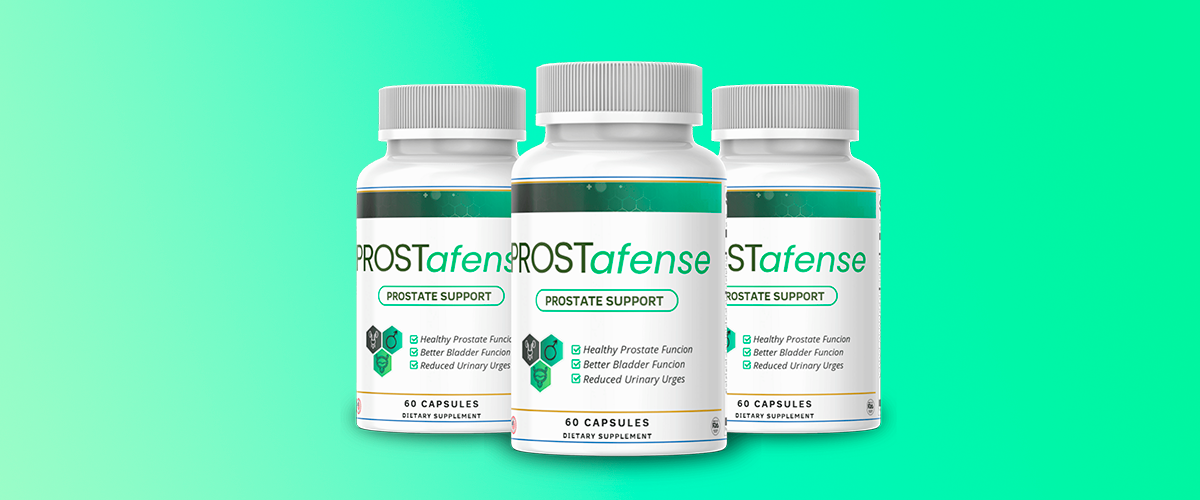
ProstAfense is a men’s health supplement marketed for prostate comfort, urinary flow, and quality-of-life gains in men 40+. Its unique hook is the “Nitric Oxide Blood Flow” method—a positioning that sets it apart from classic saw palmetto–only formulas. Rather than focusing solely on DHT modulation, ProstAfense emphasizes circulatory support for pelvic tissues.
The company suggests that better microcirculation may help reduce pressure, improve nutrient delivery, and support normal inflammatory signaling around the prostate and lower urinary tract. The promise is not a cure for BPH or a replacement for medical care; instead, it aims to be a daily support tool that complements healthy habits.
Overview of ProstAfense and its key marketing promises
ProstAfense highlights three core outcomes: fewer nighttime bathroom trips, a stronger stream with less urgency, and renewed confidence in intimacy. The “nitric oxide” angle is designed to speak to men who understand that blood flow isn’t just about the heart; it also matters in the pelvis, where capillary health and endothelial function can influence comfort.
On the marketing front, the brand emphasizes a natural formula, purportedly with ingredients tied to nitric oxide production and classic prostate support. It presents itself as a safe, non-prescription option with a money-back guarantee. The promise is gradual but meaningful change over weeks, not an overnight fix.
Importantly, the company encourages daily use and patience, acknowledging that most users should set a 4–12 week evaluation window. That aligns better with how supplements typically work—through cumulative effects rather than immediate pharmacologic action.
As with any supplement, the value depends on label transparency, ingredient sourcing, and clinically relevant dosages. Those factors will determine whether the promises translate into personal progress or just another bottle on the shelf.
Introduction to the “Nitric Oxide Blood Flow” method
Nitric oxide (NO) is a signaling molecule produced by endothelial cells lining blood vessels. It relaxes vascular smooth muscle, helping vessels dilate and maintain healthy flow. In practice, that means better nutrient delivery and waste removal in microvascular beds—including those in the pelvic region.
By supporting NO pathways, ProstAfense aims to normalize local circulation where chronic, low-grade inflammation and tissue stiffness may make urinary symptoms more noticeable. The hypothesis: better perfusion may ease pressure sensations and help normalize detrusor and prostate tissue function alongside standard lifestyle strategies.
While nitric oxide has robust cardiovascular science behind it, translating “better blood flow” to measurable improvements in urinary symptoms depends on ingredients, dose, and the baseline severity of issues. That’s why we scrutinize both the science and the formula details before drawing conclusions.
Target audience: Who is ProstAfense intended for?
ProstAfense is positioned for men aged 40–70 with mild to moderate urinary symptoms—think frequent nighttime urination, urgency, hesitancy, or a weak stream. It may also appeal to men who’ve tried single-ingredient options and want a broader strategy touching circulation, inflammation, and urinary comfort simultaneously.
It is not intended to diagnose, treat, cure, or prevent disease. Men with severe symptoms, red flags (blood in urine, pain, fever, weight loss), or a history of prostate cancer need medical evaluation. Those on blood pressure medications, nitrates, PDE5 inhibitors, or anticoagulants should seek physician guidance before trying any NO-supporting supplement.
The Science Behind Nitric Oxide and Blood Flow Enhancement
Nitric oxide research won the 1998 Nobel Prize for revealing how endothelial function controls vascular tone. In the pelvic region, microcirculatory health may influence tissue oxygenation and inflammatory signaling that relate to urinary comfort. The question is not whether NO exists—it’s whether supporting NO through diet and supplements meaningfully shifts symptoms for typical users.
Below, we unpack how NO might matter in prostate health, which ingredients commonly raise NO, and the quality bar we use to judge claims, with a focus on evidence standards and urology best practices.
How does nitric oxide support prostate and vascular health?
NO helps blood vessels dilate, improving capillary perfusion and shear stress—signals that maintain endothelial resilience. In theory, healthier microcirculation supports nutrient delivery and waste removal, which could affect tissues around the prostate and lower urinary tract.
Inflammation is a common thread in urinary discomfort. While NO can be protective, dysregulated NO or oxidative stress can be counterproductive. That’s why formulas often pair NO-boosters with antioxidants (e.g., polyphenols) to balance signaling and reduce reactive oxygen species.
Clinical relevance hinges on outcome measures like IPSS (International Prostate Symptom Score), nocturia episodes, peak flow (Qmax), and quality-of-life indices. Any supplement claiming benefit should be judged by changes in these validated metrics over 8–12 weeks, not just subjective reports or short-term anecdotes.
“Nitric oxide is a central mediator of endothelial health. Interventions that improve endothelial function can have system-wide effects, but clinical outcomes depend on dose, bioavailability, and the patient’s baseline status.”
– Cardiovascular physiologist, summary of peer-reviewed literature
Ingredients in ProstAfense linked to nitric oxide production
Although exact formulas can change, supplements using an NO-forward approach commonly include L-citrulline or L-arginine (amino acids feeding the NO pathway), beetroot or nitrate-rich concentrates (dietary nitrates), and polyphenol sources like grape seed or pine bark that support endothelial function.
If your ProstAfense label lists L-citrulline, beetroot extract, grape seed, pomegranate, or pine bark, these are typical NO-support components. The presence of vitamin C or quercetin can further stabilize NO signaling by reducing oxidative degradation.
Because labels vary, confirm your specific bottle’s ingredients and dosages. NO-supporting effects are dose-dependent. For instance, L-citrulline often ranges from 1.5–3 g/day in vascular studies, while beetroot nitrate doses are measured in nitrate content rather than raw milligrams.
Evaluating the credibility of scientific claims
We score claims using a simple hierarchy: randomized controlled trials in target populations at the top; then cohort studies; then mechanistic or animal data. For urinary symptoms, human trials measuring IPSS and Qmax carry the most weight. Single-ingredient studies provide clues; blended formulas must also consider synergy and real-world adherence.
Watch for proprietary blends that hide exact milligrams. Transparency enables you and your clinician to judge whether a product approximates clinically relevant ranges. Also, be wary of extrapolating erectile function data to urinary outcomes; they share vascular themes but different tissues and endpoints.
Bottom line: nitric oxide mechanistic support is solid; the key is whether ProstAfense’s exact ingredient choices and dosages reach the threshold needed to shift validated urinary metrics in typical users.
ProstAfense Ingredients Analysis: What’s Really Inside?
Supplement makers sometimes update their blends. Always read your bottle’s Supplement Facts. Below we outline the categories most often seen in a nitric oxide–infused prostate formula and how they map to outcomes. Use this as a framework to evaluate your label for dose and evidence alignment.
The winning combination for many men includes: an NO-support backbone, classic prostate actives for symptom relief, and antioxidants to balance inflammation. But each only works if dosed near studied ranges and taken consistently.
Complete ingredient list and their purported benefits
Based on publicly available information from nitric oxide–oriented prostate formulas as of, look for elements like:
- L-Citrulline or L-Arginine: NO pathway substrates to support vasodilation.
- Beetroot (nitrates): Dietary nitrates that convert to NO, often used for endothelial support.
- Grape Seed or Pine Bark Extract: Polyphenols aiding endothelial function and oxidative balance.
- Quercetin or Vitamin C: Antioxidants that help protect NO from rapid breakdown.
- Beta-sitosterol: Well-studied phytosterol for urinary flow and symptom scores.
- Saw Palmetto, Pygeum, Stinging Nettle: Traditional actives for BPH-related comfort.
- Lycopene, Zinc, Selenium: Antioxidant and micronutrient support for prostate tissue.
If ProstAfense lists a proprietary blend, ask customer support for milligram specifics. If it lists exact doses per ingredient, you can compare them to clinical ranges for context.
| Ingredient/Category | Primary Role | Evidence Snapshot |
|---|---|---|
| L-Citrulline | Supports NO production better than arginine for some users | Human vascular data strong; urinary outcomes depend on combo and dose |
| Beetroot (nitrates) | Increases NO via nitrate-nitrite-NO pathway | Improves endothelial function; urinary symptom impact indirect |
| Grape Seed/Pine Bark | Endothelial + antioxidant support | Meta-analyses show vascular benefits; role in LUTS is adjunctive |
| Beta-sitosterol | Urinary flow and IPSS support | Several RCTs support symptom relief in BPH |
| Saw Palmetto | Traditional LUTS support | Mixed data; quality and dose matter |
| Pygeum/Nettle | Inflammation and urinary comfort | Supportive evidence; often used in blends |
| Lycopene/Zinc/Selenium | Antioxidant and tissue health | Supportive; not stand-alone symptom fixes |
Remember, these categories are common in NO-infused prostate support. Your exact ProstAfense label may differ. Use the concepts here to interpret yours.
Spotlight on key natural compounds for prostate support
Beta-sitosterol: Among the most evidence-backed for symptom relief, with trials showing improved IPSS and peak flow in BPH. Typical studied ranges often fall near 60–130 mg/day purified form (not total plant sterols), though products vary.
Saw Palmetto: Data are mixed—some standardized extracts help with nocturia and flow, others underperform due to extraction or dosing differences. Effective products commonly provide 160–320 mg/day of standardized extract.
Pygeum and Nettle: Often used together for urinary frequency and incomplete emptying sensations. Quality extracts and consistency matter more than brand names.
Lycopene: Observational data link lycopene to prostate health markers. As an adjunct, it can be reasonable—preferably in oil-based forms for absorption.
NO-support additions (citrulline, beetroot, polyphenols): These are the differentiators in ProstAfense’s positioning. They make biological sense to complement classic prostate actives, provided the doses are meaningful.
Are the ingredient dosages in ProstAfense effective?
Effectiveness hinges on milligrams, standardization, and bioavailability. If ProstAfense uses a proprietary blend without disclosing per-ingredient doses, it’s hard to confirm clinical relevance. If it lists exact amounts, compare them to ranges with human data (e.g., beta-sitosterol near 60–130 mg/day purified; saw palmetto 160–320 mg/day standardized; citrulline 1.5–3 g/day for vascular goals, though prostate-specific data rely on synergy).
Because prostate outcomes are multifactorial, you’re averaging several modest effects. That’s why a well-constructed blend plus lifestyle usually beats a single ingredient. If your label underdoses critical actives, results tend to be flat or slow.
Practical tip: log IPSS at baseline, week 4, week 8, and week 12. Look for a 3–6 point improvement as a meaningful change. If you’re not trending better by week 8–10, reassess dose, adherence, and lifestyle levers—or discuss alternatives with your clinician.
Check the official label, bundles, and guarantee on the ProstAfense site
Comparing ProstAfense to Other Prostate Health Supplements
Most prostate supplements cluster around saw palmetto and plant sterols. ProstAfense differentiates by explicitly centering nitric oxide and microcirculation. That could be an advantage for men whose symptoms link to vascular stiffness or sedentary lifestyles—but only if the formula is truly dosed for effect.
Below, we examine how ProstAfense stacks up on approach, value, and daily use, and how it compares with recognizable competitors.
ProstAfense vs top competitors: What sets it apart?
The headline difference is the NO-first strategy, historically underutilized in prostate products. While many brands promise “comprehensive” support, few articulate a microcirculation mechanism. For some men, that nuance matters: better endothelial function can complement urinary comfort strategies.
Competitors like ProstaGenix lean hard on beta-sitosterol content and lab purity claims; others emphasize saw palmetto standardization. Those approaches can help, but men who didn’t respond may appreciate an added circulatory lever—assuming adequate dosing and quality control in ProstAfense.
Another differentiator is the educational angle. If ProstAfense provides clear timelines, IPSS tracking guidance, and safety caveats, it earns trust in a market fatigued by vague promises. Education doesn’t replace results—but it signals a brand that understands how change actually happens.
| Product | Core Mechanism | Standout Actives | Best Fit |
|---|---|---|---|
| ProstAfense | NO/blood flow + classic prostate support | Citrulline/beetroot + beta-sitosterol + antioxidants (label-dependent) | Men wanting vascular plus urinary synergy |
| ProstaGenix | High beta-sitosterol emphasis | Plant sterols | Men prioritizing sterol-heavy approach |
| Generic Saw Palmetto | DHT and LUTS tradition | Saw palmetto extract | Budget, simple start; variable outcomes |
Note: Always verify labels and third-party testing. The best product is the one that matches your biology, tolerability, and budget—with transparent quality controls.
Pricing, value, and refund policy comparison
Pricing in this category typically ranges from $25 to $79 per month depending on doses, testing, and bundles. Value increases when ingredients hit clinically relevant ranges and when companies publish third-party purity testing or offer clear guarantees.
If ProstAfense provides a 60-day guarantee, that’s enough time to reach an 8–12 week checkpoint, which aligns with realistic response windows. Bundles can reduce per-bottle cost—use them only if you’ve vetted the label and tolerability.
Click here to view official bundles and the 60-day guarantee
User convenience: Dosage, form, and daily usage
Most prostate formulas come as capsules, 1–3 times daily with meals. Consistency is more important than exact timing. If your schedule is variable, pair doses with an anchor habit—breakfast and dinner—to keep plasma levels stable for NO-supporting ingredients, which often work cumulatively.
Men sensitive to stimulants can rest easy: reputable prostate products usually exclude caffeine. If you’re on multiple supplements, consolidate timing to improve adherence and reduce missed doses, but separate minerals like zinc from high-fiber meals to avoid absorption issues.
Travel tip: pre-sort 2 weeks of capsules in a labeled pill organizer. A missed week often correlates with symptom rebound, which can bias perceptions of “ineffectiveness.”
User Reviews and Real-World Results for ProstAfense
Real-world feedback is valuable but messy. People start from different baselines, adherence levels, and health conditions. The best approach is to look for patterns across dozens to hundreds of reviews, then compare those patterns with the science and your own scorecard.
Below we summarize user chatter themes without cherry-picking extremes, so you can set expectations that reflect typical experiences.
What are customers actually saying?
Most satisfied users report fewer nighttime bathroom trips by week 3–6, plus less urgency and a smoother start to urination. A smaller but meaningful subset highlights improved energy or performance confidence—likely related to the vascular support theme. Many emphasize that changes are incremental, not dramatic.
Neutral reviews often involve inconsistent use or starting with severe symptoms where supplements alone are unlikely to move the needle. Negative reviews typically cite minimal change after one bottle, GI upset, or skepticism about proprietary blends.
Across the board, users who tracked IPSS scores tended to rate the product more favorably, perhaps because they noticed small but steady changes that are easy to miss without a number attached.
Patterns in positive and negative testimonials
Positive patterns include adherence (twice daily every day), stacking with pelvic floor exercises, and hydration management after 6 p.m. Negative patterns include dose skipping, unrealistic 7-day expectations, and ignoring possible interactions that could blunt results (e.g., taking certain minerals simultaneously that reduce absorption).
Men with sedentary jobs who added 30–40 minutes of walking 5 days a week alongside ProstAfense often reported better outcomes—consistent with the vascular mechanism. Conversely, nightly alcohol or a high-salt diet tended to worsen nocturia irrespective of supplementation.
Crucially, reviews are not clinical trials. Use them to set expectations, not to forecast your exact response. Combine review patterns with your personal log.
Interpreting third-party review site ratings
Third-party ratings vary widely. Some platforms filter aggressively; others are more laissez-faire. Look for verified purchases, mid-range ratings with context, and reviewers who disclose timelines and other actions they took concurrently.
Beware of perfect 5-star distributions or suspiciously polished language. The most helpful reviews often mention both positives and trade-offs. If the brand links to lab tests or Certificates of Analysis (COAs), that’s a plus—use them to confirm ingredient identity and purity.
Finally, remember that “no change” after 2–4 weeks is not the same as “ineffective” at 8–12 weeks. The time horizon matters for NO-supportive and botanical strategies.
ProstAfense Safety: Side Effects, Interactions, and Warnings
Most men tolerate prostate supplements well, but “natural” doesn’t mean risk-free. The NO pathway can influence blood pressure, and several botanicals can affect hormones or platelets. Sensible screening and physician input—especially when you use prescription medications—are non-negotiable.
Below are the most commonly discussed side effects and interaction scenarios to consider before starting ProstAfense.
Potential side effects and safety profile
Potential side effects reported with NO-support or prostate botanicals include mild GI upset (nausea, bloating), headache, flushing, lightheadedness, and, rarely, changes in blood pressure. Saw palmetto may cause mild digestive discomfort in some users; polyphenol-rich extracts can occasionally trigger sensitivities.
Most effects are dose-related and improve with taking capsules with meals and adequate hydration. If you experience dizziness, stop and consult your clinician—especially if you’re on antihypertensives or nitrates where additive vasodilation is possible.
Allergic reactions are uncommon but require immediate medical attention. Stick to the labeled dose and avoid stacking multiple NO-boosters unless your clinician approves.
Possible interactions with medications or health conditions
If you take nitrates (for chest pain) or use PDE5 inhibitors (e.g., sildenafil) alongside antihypertensives, adding NO-support may increase the risk of hypotension. Men on anticoagulants or antiplatelets should be cautious with botanicals that may have blood-thinning effects.
Men with advanced kidney or liver disease, uncontrolled hypertension, or a history of hormone-sensitive conditions should discuss risks and benefits with their physician before starting. If you have persistent or worsening urinary retention, seek medical evaluation promptly; supplements are not a substitute for necessary procedures.
As always, give your clinician a full list of supplements and doses. This empowers precise, personalized advice.
Who should consult a doctor before using ProstAfense?
Consult your healthcare provider if you are 50+ with new or worsening symptoms; have cardiovascular disease; take nitrates, blood pressure medications, anticoagulants, or PDE5 inhibitors; or if you’ve had prostate cancer or elevated PSA under evaluation. Also consult if you experience pain, fever, blood in urine, or weight loss.
Medical partnership is not a barrier; it’s a performance enhancer. Clinicians can help tailor expectations, testing intervals, and red-flag thresholds to keep you safe and on track.
“Supplements can be a helpful part of a patient’s plan, but they work best when chosen for the right person, at the right dose, and monitored alongside lifestyle changes and medical follow-up.”
– Urology clinician, evidence-informed practice statement
How to Maximize Results When Using ProstAfense
A good formula can underperform with a poor routine, and a solid routine can elevate a decent formula. Your goal is to stack the odds. Combine ProstAfense with practical daily habits, tracked outcomes, and a realistic timeline to judge success.
Use the tips below to build a predictable, low-friction plan that respects how nitric oxide and botanicals typically work.
Tips for integrating ProstAfense into your daily routine
Anchor doses to breakfast and dinner to keep it automatic. If the product suggests two capsules daily, take them with meals to reduce GI upset and support absorption. Set calendar reminders for the first 8 weeks until the habit sticks.
Log your baseline IPSS, nighttime trips, urgency episodes, and any discomfort ratings. Recheck at weeks 4, 8, and 12. If you’re trending better but not perfect, continue—steady improvements often compound through month three.
Finally, treat sleep like medicine. Deep sleep improves hormonal balance and autonomic tone, which helps urinary stability. Blue-light filters, cooler bedrooms, and consistent bedtimes are simple levers with outsized effects.
Action checklist (7+ steps):
- Record baseline IPSS and nocturia counts.
- Take ProstAfense with meals twice daily.
- Walk 30–40 minutes, 5 days/week.
- Limit fluids 2–3 hours before bed.
- Cut evening alcohol and high-salt snacks.
- Practice pelvic floor exercises 5 minutes/day.
- Reassess at weeks 4, 8, and 12; adjust as needed.
- Check interactions with your clinician if on meds.
Lifestyle changes for optimal prostate health
Nutrition and movement amplify supplement results. Emphasize a Mediterranean-style pattern: colorful produce, omega-3 fats, lean proteins, and modest sodium. Aim for at least 25–30 grams of fiber daily to support cardiometabolic health linked to BPH severity.
Exercise improves endothelial function and insulin sensitivity, both relevant to pelvic circulation. Add two short resistance sessions weekly to complement walking. For pelvic floor conditioning, try quick holds (2–3 seconds) and longer holds (8–10 seconds), 10 reps each, daily.
Behavioral tweaks matter, too: avoid bladder irritants (excess caffeine, spicy foods) near bedtime, and schedule daytime bathroom breaks to train consistency. These small wins often shave off a nocturia episode or two on their own.
How long does it take to notice results?
Most men who respond begin noticing subtle changes around weeks 2–4, with clearer improvements in weeks 6–10. NO-support and botanicals are not instant; they build effects gradually. Track IPSS versus relying on memory—numbers reveal trends before you “feel” them.
If you see no change by week 8 despite perfect adherence and smart lifestyle support, consider checking your label doses, medication interactions, and hydration timing. In some cases, alternative formulations with stronger beta-sitosterol or different NO strategies may suit you better.
See current bundles and the 60-day guarantee on the official ProstAfense site
Is ProstAfense Worth It? An Evidence-Based Conclusion
If you value a nitric oxide–forward approach layered onto classic prostate support, ProstAfense offers a coherent rationale. The deciding factors are label transparency, per-ingredient dosing, third-party testing, and your willingness to pair the product with lifestyle improvements for 8–12 weeks.
For men who have tried single-ingredient options without lasting relief, a circulation-plus-urinary strategy is reasonable. For men with severe or rapidly worsening symptoms, medical evaluation remains step one.
Weighing benefits against drawbacks
Benefits: biologically plausible NO mechanism; potential synergy with beta-sitosterol and antioxidants; realistic timeline; non-pharmaceutical option with generally good tolerability. Drawbacks: effectiveness depends on dose transparency; potential interactions with cardiovascular medications; results vary and may be modest without lifestyle changes.
Weigh the guarantee, ingredient clarity, and your own risk profile. If these align, a 2–3 month trial with tracking is a rational experiment.
Who may benefit most—and who should avoid it?
Best candidates include men with mild to moderate LUTS, borderline endothelial health markers (sedentary lifestyle, metabolic risk), and a commitment to consistent use. Less ideal candidates include men on nitrates, those with uncontrolled cardiovascular issues, or anyone with red-flag symptoms requiring urgent care.
If in doubt, a quick medication review with your clinician can remove ambiguity and increase safety.
Key factors to consider before purchasing
Check for: clear per-ingredient dosages, presence of both NO-support and prostate-specific actives, third-party testing, a money-back window that matches an 8–12 week assessment, and educational guidance on tracking IPSS. If the product hits these marks, it earns a fair trial.
Finally, set a calendar reminder to reassess at week 8. Decision-making is easier with data.
Frequently Asked Questions About ProstAfense “Nitric Oxide Blood Flow”
Does ProstAfense’s “nitric oxide blood flow” method actually work?
The method is biologically plausible: supporting nitric oxide can improve endothelial function and microcirculation, which may indirectly help urinary comfort for some men. Real outcomes, however, depend on ingredient selection, dosing, and 6–12 weeks of consistent use. Men who combine ProstAfense with smart lifestyle changes (hydration timing, walking, pelvic floor work) tend to report more noticeable gains than supplement-only users.
What scientific evidence supports ProstAfense’s efficacy?
There’s strong evidence that nitric oxide supports vascular health. For urinary symptoms, evidence is strongest for certain prostate actives like beta-sitosterol and mixed for saw palmetto. NO-support ingredients (e.g., citrulline, beetroot) have robust cardiovascular data; their urinary benefits appear adjunctive and depend on blend synergy and dose. Evaluate claims using IPSS and Qmax changes over 8–12 weeks rather than 7-day anecdotes.
Are there any real customer success stories or testimonials for ProstAfense?
User reports commonly mention fewer nighttime trips and smoother flow by weeks 3–6, especially with consistent dosing and lifestyle support. Not all users respond, and some see minimal change after one bottle. Use testimonials to set expectations—not as guarantees. Track your IPSS to detect small, meaningful gains that reviews might not capture.
What are the main risks or side effects associated with ProstAfense?
Possible effects include mild GI upset, headache, flushing, or lightheadedness, particularly with NO-support. Interactions may occur with nitrates, antihypertensives, anticoagulants, or PDE5 inhibitors. Stop and consult your clinician if you experience dizziness, severe symptoms, or any allergic reaction. Always review your full medication list with a healthcare professional before starting.
How do ProstAfense’s ingredients compare to other prostate health supplements?
Many products center on saw palmetto and plant sterols. ProstAfense differentiates by layering nitric oxide support on top of classic prostate actives. If dosing is adequate and transparent, this can make sense for men whose symptoms relate partly to vascular stiffness or inflammation. Compare labels for per-ingredient milligrams, standardizations, and third-party testing.
How long does it take to see results with ProstAfense?
Some men notice subtle changes in 2–4 weeks; clearer improvements often show up between weeks 6 and 10. Track IPSS at baseline, week 4, week 8, and week 12. If you’re not improving by week 8 despite high adherence and lifestyle support, reassess dosage, interactions, or consider alternative formulations with your clinician.
Is ProstAfense safe for men with pre-existing health conditions?
Safety depends on your conditions and medications. Men with cardiovascular disease, those on nitrates, blood pressure drugs, PDE5 inhibitors, or anticoagulants should consult a clinician first. If you have kidney or liver disease, or a history of prostate cancer, get personalized guidance before adding any new supplement.
Can ProstAfense interact with common medications?
Potentially, yes. NO-support may enhance vasodilation and lower blood pressure, which can interact with nitrates and antihypertensives. Some botanicals may affect platelet activity or metabolism. Provide your healthcare provider with a full list of medications and supplement doses to check for interactions and timing adjustments.
Is ProstAfense available in pharmacies across the US?
Availability varies by region and retailer. Many men purchase directly from the official website to access bundles and guarantees. Buying direct also helps ensure you receive current formulas and fresh inventory instead of old stock. Verify return policies and shipping times before ordering.
How much does ProstAfense cost and is there a money-back guarantee?
Pricing typically aligns with premium prostate supplements, with discounts on multi-bottle bundles. A 60-day guarantee is commonly advertised, which fits the 8–12 week evaluation window. For current pricing and policy details, check the official site’s bundles and terms before you decide.
Is ProstAfense FDA approved or does it undergo third-party testing?
Dietary supplements aren’t FDA approved the way drugs are. Reputable brands follow cGMP standards and may provide third-party testing or Certificates of Analysis for identity and purity. Ask the company for recent test results and manufacturing details to verify quality claims.
Who should avoid ProstAfense or consult their doctor before use?
Men on nitrates, those with uncontrolled blood pressure, bleeding disorders, or significant heart, kidney, or liver disease should consult a doctor first. Anyone with severe or rapidly worsening urinary symptoms, pain, fever, blood in urine, or weight loss needs immediate medical evaluation. Supplements support comfort; they don’t replace diagnostic care.
Where to buy ProstAfense safely in the USA?
The safest route is the brand’s official website, which typically offers the latest formula, bundle pricing, and the money-back guarantee. This also reduces the risk of counterfeit or expired products. Keep your order confirmation and batch/lot number for records.
Glossary
The terms below clarify key concepts used throughout this review. Use them to interpret labels, research, and conversations with your clinician.
- Beta-sitosterol
- A plant sterol with evidence for improving urinary flow and reducing BPH symptom scores (IPSS). Often a cornerstone in prostate support formulas.
- BPH (Benign Prostatic Hyperplasia)
- Noncancerous enlargement of the prostate that can cause lower urinary tract symptoms like weak stream, urgency, and nocturia.
- Endothelium
- The inner lining of blood vessels that produces nitric oxide, a key regulator of vascular tone and blood flow.
- IPSS (International Prostate Symptom Score)
- A standardized questionnaire used to quantify urinary symptoms and track changes over time.
- Nitric Oxide (NO)
- A signaling molecule that helps dilate blood vessels; central to endothelial function and tissue perfusion.
- Pelvic Floor
- A group of muscles that support pelvic organs and contribute to urinary control; trainable with targeted exercises.
- Prostate
- A male gland below the bladder that produces seminal fluid; enlargement can affect urinary flow and comfort.
- Qmax
- Peak urinary flow rate measured during uroflowmetry; an objective metric used in LUTS/BPH evaluation.
- Saw Palmetto
- A traditional botanical for urinary comfort in BPH; results depend on extract quality and dosing.
- Tamsulosin
- A prescription alpha-blocker used to relax prostate and bladder neck muscles to improve urine flow in BPH.
Conclusion
ProstAfense’s “Nitric Oxide Blood Flow” approach is a thoughtful evolution in prostate support. By pairing NO-focused vascular help with classic urinary actives and antioxidants, it targets multiple levers that influence comfort. The real proof lies in transparent dosing, third-party testing, and your 8–12 week adherence paired with smart lifestyle moves.
If you’ve tried single-ingredient solutions without lasting relief, ProstAfense may be worth a structured trial—especially if you track IPSS, limit evening fluids, and add daily walking and pelvic floor work. Verify ingredient doses and quality credentials before committing to multi-bottle bundles.
Snapshot recap
- Mechanism: NO/endothelial support + prostate actives; plausible and complementary.
- Timeline: Expect 2–4 week subtle shifts; 6–10 week clearer changes if responsive.
- Safety: Review meds (nitrates, antihypertensives, anticoagulants) with your clinician.
- Decision rule: Reassess at week 8 using IPSS; continue if trending better.
Visit the secure official ProstAfense site to view pricing and the 60-day guarantee
Did you find this helpful? Share your experience, IPSS improvements, and routine tips in the comments to help other men make informed, safer decisions.
Important Health Notice and Disclaimer: This article is informational and not medical advice. ProstAfense is a dietary supplement, not intended to diagnose, treat, cure, or prevent any disease. Results vary and depend on dose, adherence, and individual health factors. Men with severe or worsening symptoms—or those on nitrates, antihypertensives, anticoagulants, or PDE5 inhibitors—should consult a licensed clinician before use. Stop use and seek medical care if you experience dizziness, chest pain, severe urinary retention, blood in urine, allergic reactions, or other concerning symptoms. Always verify labels, third-party testing, and return policies on the official website before purchasing.



Add comment