
 Dr. Lauren Hayes
Last updated: November 27, 2025
If you’re worried about sluggish circulation, rising blood pressure, or fading stamina, you’re not alone. Many adults search for foods that boost nitric oxide because better blood flow touches everything—heart health, exercise performance, and sexual vitality. The good news: science-backed dietary strategies can raise nitric oxide (NO) naturally, often within hours to days, and without relying solely on pills.
This comprehensive guide translates the latest research into practical, everyday choices. You’ll learn what nitric oxide is, why it matters, and which foods consistently move the needle. We’ll also cover how to combine foods for synergy, common pitfalls to avoid, and when to involve your healthcare professional.
Whether you’re an athlete chasing PRs or simply want steadier energy and healthier blood pressure, this is your one-stop playbook to build a nitric oxide–friendly plate—confidently and safely.
Key Takeaways
- Nitric oxide helps blood vessels relax, supporting circulation, blood pressure, exercise performance, and sexual health.
- Leafy greens and beets are top natural nitrate sources; citrus, garlic, pomegranate, nuts/seeds, and dark chocolate help produce or preserve NO.
- Smart prep—lightly cooked greens, fresh juices, and vitamin C–rich pairings—can maximize benefits.
- Exercise, adequate sleep, and limiting smoke exposure support NO; mouthwashes and ultra-processed foods can undermine it.
- Improvements can appear in hours for exercise and days to weeks for blood pressure and energy, with consistency.
Ready to build a powerful nitric oxide diet plan you’ll actually enjoy? Keep reading for science, simple swaps, and actionable recipes.
Understanding Nitric Oxide and Its Role in Blood Flow
Nitric oxide (NO) is a tiny gas molecule that your body produces to help blood vessels relax and widen. Think of it as your circulatory system’s “green light,” telling arteries to open up so blood, oxygen, and nutrients can move freely. Without adequate NO, circulation can feel sluggish—affecting blood pressure, workout stamina, and sexual function.
In this section, we’ll set a reliable foundation: what nitric oxide is, how it works inside your vessel walls, and the everyday signs that suggest your levels may be low. This will help you connect the science to your goals and make sense of the food strategies that follow.
What is nitric oxide and why is it vital for cardiovascular health?
Nitric oxide is produced by your endothelial cells—the thin lining inside blood vessels—through enzymes known as nitric oxide synthases (NOS). When NO rises, smooth muscles relax, vessels dilate, and blood pressure tends to ease. This supports oxygen delivery to the heart, brain, and working muscles during daily life and intense exercise.
Importantly, the body can generate NO from two main paths: the L-arginine/L-citrulline pathway (amino acids) and the dietary nitrate pathway (from vegetables like beets and leafy greens). Diet can meaningfully support both.
How does nitric oxide influence blood vessel function and circulation?
Your endothelium senses signals such as increased blood flow from exercise or nutrients from a meal. In response, it produces NO, which diffuses to smooth muscle cells and triggers vasodilation—literally widening the vessel. Wider vessels lower resistance, so your heart doesn’t have to push as hard, and your muscles receive more oxygen and nutrients.
NO also helps balance the activity of platelets and immune cells, so the blood flows smoothly without excessive clotting or inflammation. For example, cyclists who consume nitrate-rich foods often report easier breathing and lower perceived exertion, consistent with improved oxygen efficiency.
From a practical standpoint, this means a pre-workout salad with arugula or a glass of beetroot juice can translate into longer runs or faster times, especially in the hours that follow. Many people also notice warmer hands and feet when NO improves because peripheral circulation gets a lift.
Common signs of low nitric oxide levels in the body
Low NO doesn’t announce itself with a single symptom, but certain patterns can be clues. You might notice exercise feels harder at the same pace, or your recovery lags. Some people describe cold hands and feet, frequent tension headaches, or “brain fog” in the afternoon.
Other hints include blood pressure creeping up over time, erectile difficulties in men, and general fatigue that doesn’t match sleep or stress levels. While these signs have many possible causes, improving NO often helps. If you have persistent symptoms or cardiovascular risk factors, consider testing and medical guidance before major changes.
Why Focus on Natural Ways to Increase Nitric Oxide?
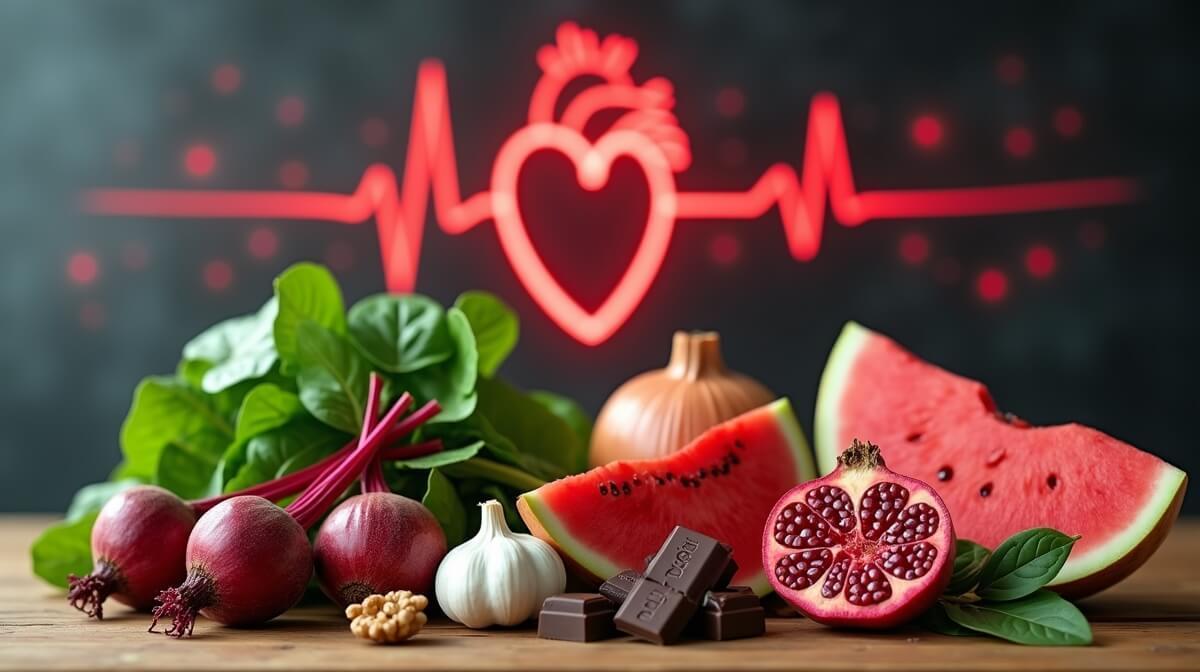
Food-first approaches are sustainable, affordable, and come packaged with fiber and antioxidants your endothelium loves. Natural nitrate and polyphenol sources work with your body’s pathways, often improving NO within hours of a meal and compounding with consistency.
Supplements may be appropriate for some, but whole-food strategies lay the foundation for long-term cardiovascular health. Let’s compare benefits, limitations, and where supplements fit intelligently into the picture.
The benefits of optimizing nitric oxide through your diet
Dietary strategies offer layered benefits beyond nitric oxide. Leafy greens and beets deliver folate, potassium, and fiber that support blood pressure and metabolic health. Citrus and pomegranate add vitamin C and polyphenols that stabilize NO, helping it last longer in your vessels.
These foods also displace ultra-processed options that can hurt endothelial function. Within 2–3 weeks of daily nitrate-rich intake, many people see modest improvements in systolic blood pressure and endurance. Combined with exercise, the effect can be more pronounced, reflecting synergistic physiology.
On a practical level, food is repeatable: a salad at lunch, beet juice pre-workout, or a square of dark chocolate after dinner. These small habits are easier to maintain than pill regimens for many adults.
Comparing natural food sources to supplements for nitric oxide
Food sources provide nitrates, vitamin C, polyphenols, and amino acids together, enabling multiple NO pathways at once. Supplements can target specific pathways—like L-citrulline for arginine supply or polyphenols for endothelial support—but quality and dosing vary widely.
Remember: supplements should reinforce—not replace—nutrient-dense foods. Pairing both can be effective when done carefully and under professional guidance if you have medical conditions.
Risks and limitations of synthetic nitric oxide boosters
Overreliance on single-ingredient boosters can ignore foundational issues like poor sleep, inactivity, or high-sodium diets that undermine NO. Some products combine stimulants that cause jitters or blood pressure spikes—counterproductive when your goal is healthier vessels.
Quality varies across brands, and labels may not reflect actual content. People on blood pressure medications, PDE5 inhibitors, nitrates, or anticoagulants should be particularly cautious. Always review new supplements with your clinician, especially if you have cardiovascular disease, kidney issues, or are pregnant or breastfeeding.
The 7 Best Foods That Naturally Increase Nitric Oxide
The foods below are supported by human and mechanistic studies for their potential to increase nitric oxide or preserve it in circulation. Each includes practical serving sizes, timing tips, and prep guidance to help you translate the science into meals.
Use them in rotation across the week to build a diverse, enjoyable nitric oxide diet plan. Consistency beats perfection; even one smart choice per meal can move the needle over time.
Leafy greens: How nitrates in spinach and arugula boost nitric oxide
Leafy greens—especially arugula (rocket), spinach, Swiss chard, and romaine—are top-tier nitrate sources. A typical cup (30–40 g) of raw arugula can deliver meaningful nitrates; larger portions amplify the effect. Your saliva’s oral bacteria convert nitrates to nitrites, which then convert to NO in the body, particularly under low-oxygen conditions like exercise.
For performance and blood pressure, aim for 2–3 cups of mixed greens daily. Lightly wilting spinach preserves nutrients while making big servings easier. Pair greens with vitamin C–rich foods (citrus, strawberries, bell peppers) to support NO stability and collagen for vessel health.
Practical example: a lunch salad of arugula, baby spinach, cherry tomatoes, oranges, and olive oil. Many notice warmer extremities and easier cardio within days when leafy greens become daily staples.
Some worry about oxalates in spinach. If you have a history of kidney stones, rotate with lower-oxalate greens (arugula, kale, romaine) and hydrate well. Cooking and pairing with calcium-containing foods can reduce oxalate absorption.
Beets and beetroot juice: A powerful source for nitric oxide production
Beets are among the most studied nitrate-rich foods for endurance and blood pressure. A 250–500 ml serving of beetroot juice (about 1–2 cups) taken 2–3 hours pre-exercise can raise plasma nitrite and support performance. Roasted beets, beet hummus, and grated raw beet in salads are simple ways to work them into meals.
If you’re new to beet juice, start with 4–6 oz (120–180 ml) to assess tolerance. Pink urine (beeturia) can occur and is harmless for most. For blood pressure, daily intake over 2–4 weeks often shows modest reductions, especially when combined with lifestyle improvements.
For a cost-effective alternative, blend cooked beets with orange, ginger, and water. The vitamin C helps preserve NO, while ginger supports digestion—an easy pre-ride or pre-run drink.
Beet powders can be convenient, but potency varies by brand and storage. If you use powders, choose third-party tested products and keep them sealed away from heat and light.
Citrus fruits: The role of vitamin C in nitric oxide preservation
Vitamin C helps stabilize nitric oxide by limiting oxidative stress that would otherwise degrade it. Oranges, grapefruits, lemons, and limes also add potassium and polyphenols that support endothelial function. A simple squeeze of lemon over greens or fish can be surprisingly impactful for NO preservation.
Aim for one citrus serving daily: an orange at breakfast, lemon water at lunch, or grapefruit segments with a protein-rich snack. Pairing citrus with nitrate-rich greens or beets creates a one-two punch: produce NO and protect it longer in circulation.
If you take statins or certain medications, check for grapefruit interactions. Otherwise, citrus is a safe, delicious way to make meals brighter and more NO-friendly.
Garlic: How its compounds stimulate nitric oxide synthesis
Garlic contains organosulfur compounds (like allicin) that can enhance nitric oxide synthase activity and support endothelial health. Consistent intake has been associated with modest blood pressure benefits and improved vascular function in several studies.
For maximum potency, chop or crush garlic and let it rest for 10 minutes before cooking. This waiting period allows the formation of beneficial compounds. Add raw finely minced garlic to yogurt sauces, pesto, or dressings; or sauté gently in olive oil to mellow the flavor without excessive heat.
Daily use is realistic: think garlicky sautéed greens, lemon-garlic roasted vegetables, or garlic-tahini beet dip. If fresh garlic irritates your stomach, try roasted garlic or aged garlic extracts with professional guidance.
Pomegranates: Antioxidants and their effect on nitric oxide levels
Pomegranate arils and juice are rich in polyphenols—especially punicalagins—that support endothelial function and help preserve NO. In human trials, pomegranate has been linked to improved flow-mediated dilation (a marker of vascular health) and exercise efficiency.
Enjoy 4–8 oz (120–240 ml) of 100% pomegranate juice or 1/2 cup of arils several times per week. It’s an easy pairing with walnuts or pistachios for a snack that supports both NO and lipid health. For a savory twist, sprinkle arils over arugula salads with lemon and olive oil.
Choose unsweetened juice to avoid added sugars. If you monitor blood sugar, pair pomegranate with protein or fiber to blunt spikes.
Nuts and seeds: Amino acids and cofactors for nitric oxide
Nuts and seeds—particularly walnuts, almonds, pistachios, pumpkin seeds, and flax—supply L-arginine, L-citrulline (notably in some seeds), magnesium, and antioxidants. These nutrients support the NOS pathway that generates NO directly from amino acids.
A practical serving is a small handful (about 1 oz/28 g) daily. Layer them into oatmeal, yogurt, or salads. Pumpkin seeds add crunch to beet salads; walnuts pair well with pomegranate; pistachios are a satisfying, portable snack that supports vascular function.
If you’re focused on performance, combining nuts or seeds with nitrate-rich vegetables can support both NO pathways at once—dietary nitrate and amino acid–derived NO—for a synergistic effect.
Portion awareness matters: nuts are energy-dense. Most adults do well with 1 ounce per day, which supplies key fats and amino acids without overshooting calories.
Dark chocolate: Flavanols and their impact on blood flow
High-cocoa dark chocolate (70–85%) contains flavanols that can enhance endothelial function and NO availability. Several trials show improvements in flow-mediated dilation after flavanol-rich cocoa intake, especially in the 200–600 mg/day range of cocoa flavanols.
A practical guideline is 1–1.5 oz (28–40 g) of 70%+ cocoa chocolate a few times per week. Pair it with berries or citrus zest for an antioxidant boost. Opt for products that list cocoa content and minimal added sugar; many brands now standardize flavanol content.
If caffeine or theobromine makes you jittery, schedule your chocolate earlier in the day. Those with reflux may prefer cocoa powder in smoothies with banana and spinach for a gentler option.
| Food | Typical Serving | Key NO-Supporting Compounds | Timing Tip |
|---|---|---|---|
| Arugula/Spinach | 2–3 cups (mixed) | Nitrates | Enjoy at lunch to support afternoon energy |
| Beetroot juice | 8–16 oz (250–500 ml) | Nitrates → Nitrites | 2–3 hours pre-workout |
| Citrus fruits | 1 medium | Vitamin C, polyphenols | Add to greens to stabilize NO |
| Garlic | 1–2 cloves | Organosulfur compounds | Crush and rest 10 minutes |
| Pomegranate | 4–8 oz juice or 1/2 cup arils | Polyphenols | Pair with nuts |
| Nuts/Seeds | 1 oz (28 g) | Arginine, magnesium | Daily snack or salad topper |
| Dark chocolate | 1–1.5 oz (70–85%) | Flavanols | Post-meal for dessert |
Notice how each food either increases NO production, preserves existing NO, or supplies cofactors that make enzymes work better. Combining them creates redundancy—your circulation benefits from multiple angles.
Next, let’s turn these foods into effortless routines that fit your schedule, taste, and goals.
How to Incorporate Nitric Oxide-Boosting Foods Into Your Diet
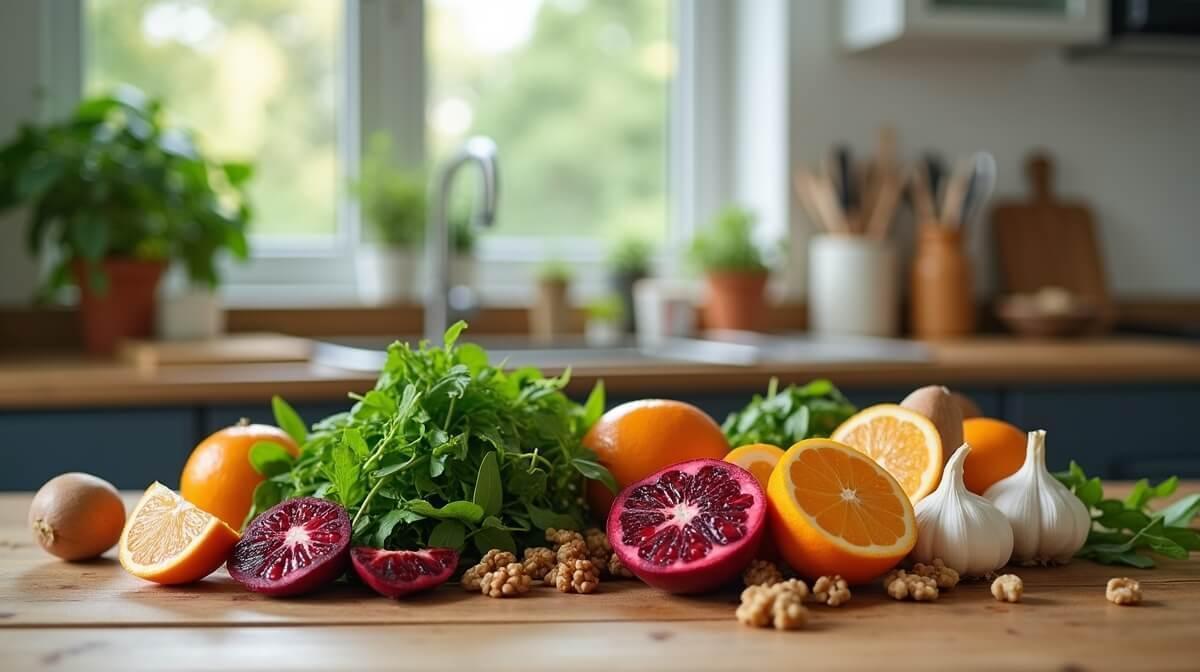
Success comes from simple, repeatable meals and snacks. You don’t need a chef’s kitchen—just a few go-to combinations you can rotate. The goal is consistency: some nitrate at lunch, a performance boost before training, and antioxidants at dinner to protect NO overnight.
Below are practical tips, sample recipes, and pairing strategies to maximize absorption and results without complicating your routine.
Practical tips and recipes for everyday meals
Breakfast: Spinach-berry smoothie with Greek yogurt, a squeeze of lemon, and ground flax. The greens deliver nitrates, berries and lemon add antioxidants, and yogurt provides protein to steady energy. Alternatively, scramble eggs with arugula and tomatoes, finishing with olive oil.
Lunch: Arugula salad with roasted beets, orange segments, walnuts, and goat cheese. Dress with lemon-garlic vinaigrette. If you prefer a sandwich, try turkey on whole grain with baby spinach, mustard, and a side of pomegranate arils.
Dinner: Lemon-garlic salmon with a side of sautéed spinach and quinoa. Finish with 1 oz of 70% dark chocolate and orange zest. For plant-based nights, try lentil–beet bowls with tahini–lemon sauce and parsley.
Snack ideas: Pomegranate + walnuts, orange + dark chocolate square, cucumber slices with garlic–tahini dip, or plain yogurt with citrus zest and pumpkin seeds.
Best combinations for maximizing nitric oxide absorption
Pair nitrates with vitamin C: Arugula + orange, spinach + bell peppers, or beets + lemon. Vitamin C helps maintain NO by reducing oxidative breakdown. Garlic or herbs like parsley add polyphenols to further support vascular health.
Combine nitrate and arginine pathways: Beets or greens with nuts/seeds or hummus. This dual-path approach can make pre-workout meals feel more effective. For example, beet-hummus toast with arugula is simple and powerfully synergistic.
Use healthy fats: Olive oil helps absorb fat-soluble antioxidants in vegetables and adds flavor that makes daily intake realistic. A drizzle over salads or roasted beets elevates both taste and NO potential.
| Goal | Food Pairing | Why It Works | Practical Example |
|---|---|---|---|
| Pre-workout boost | Beets + citrus + seeds | Nitrate + vitamin C + arginine | Beet smoothie with lemon and pumpkin seeds |
| Blood pressure support | Greens + garlic + olive oil | Nitrate + NOS support + absorption | Arugula salad with lemon-garlic dressing |
| Daily antioxidant shield | Pomegranate + walnuts | Polyphenols + omega-3 precursors | Snack: arils with walnuts |
| Evening wind-down | Dark chocolate + orange | Flavanols + vitamin C | 70% chocolate with zest |
Hydration matters: blood is mostly water, and well-hydrated vessels respond better to NO. Aim for pale-yellow urine and add citrus slices or pomegranate arils to water for variety.
Finally, be consistent across the week. Most people thrive with a simple rotation rather than chasing perfection day-to-day.
Common mistakes to avoid when choosing and preparing these foods
Relying on mouthwash near meals: Antibacterial mouthwashes can reduce oral bacteria needed to convert nitrates to nitrites. If you use mouthwash, schedule it away from nitrate-rich meals by several hours.
Overcooking greens: Prolonged boiling can leach nutrients. Light sautéing, steaming, or raw preparations are better for NO support. If boiling, use the cooking liquid in soups or sauces.
Picking chocolate without cocoa content listed: Choose 70%+ cocoa and look for brands that mention flavanol content. Watch portions if you track calories or sensitive to caffeine.
Ignoring medication interactions: Grapefruit can interact with specific drugs; garlic can influence platelet activity. If you’re on medications, review changes with your healthcare provider.
All-or-nothing thinking: One beet juice won’t transform blood flow, but daily habits add up. Track a few metrics—resting heart rate, workout pace at a set effort, or blood pressure—to see progress over 2–4 weeks.
Lifestyle Factors That Support or Undermine Nitric Oxide Levels
Diet is powerful, but lifestyle can multiply or mute its effects. Exercise is a direct signal for your endothelium to make more NO. Sleep, stress management, and smoke exposure influence how well vessels respond. Nail the basics, and food works better.
Below are the high-impact levers you can adjust this week to complement your nitric oxide diet.
The role of exercise in increasing nitric oxide naturally
Aerobic exercise increases shear stress—the friction of blood moving along vessel walls—stimulating endothelial NO production. Even brisk walking 30 minutes a day can help. Interval training further amplifies shear stress and NO signaling, explaining why many feel a “circulatory high” post-workout.
Resistance training contributes by improving insulin sensitivity and muscle efficiency, supporting NO pathways indirectly. A balanced routine might include 150 minutes of moderate cardio plus 2–3 strength sessions weekly. Pairing a beet or arugula snack before cardio is a practical synergy you can feel.
Track how you respond: note perceived exertion at a set pace every week. If your runs feel easier and your recovery improves, your NO strategy is paying off.
“Endothelial function is remarkably responsive. With consistent movement and plant-forward meals, we often see measurable vascular improvements within weeks.”
– Cardiology NP, preventive cardiology clinic
Remember to start where you are. If you’ve been inactive, even 10-minute walks after meals can be a powerful, sustainable entry point.
Habits and factors that can decrease nitric oxide in the body
Smoking and secondhand smoke increase oxidative stress and reduce NO bioavailability. High-sodium ultra-processed foods can stiffen arteries and blunt endothelial responses. Chronic stress, poor sleep, and uncontrolled blood sugar also sap NO pathways.
Certain mouthwashes, as noted, reduce nitrate-to-nitrite conversion. Overuse of alcohol undermines vascular health. If you address these factors, you’ll likely extract more benefit from nitrate-rich meals and feel better overall.
| Undermining Habit | Impact on NO | Supportive Swap |
|---|---|---|
| Antiseptic mouthwash before meals | Blocks nitrate conversion in mouth | Use outside mealtimes or switch to non-antibacterial rinses |
| Smoking/vaping | Oxidative stress reduces NO | Seek cessation support; increase antioxidants |
| High-sodium processed foods | Stiffens arteries, blunts NO response | Cook at home; use herbs, citrus, garlic |
| Short sleep, chronic stress | Hormonal shifts dampen NO | Prioritize sleep hygiene, breath work |
| Excess alcohol | Impairs endothelial function | Limit to moderate, add alcohol-free days |
Small improvements compound. For example, swapping a sodium-heavy deli lunch for an arugula–beet bowl with lemon can reduce sodium, increase nitrates, and boost polyphenols in one move.
If you’re addressing multiple habits at once, track just one outcome for 2–4 weeks—resting blood pressure or a standard workout split—to keep motivation high.
When should you consider professional advice for low nitric oxide?
Consult a clinician if you have diagnosed cardiovascular disease, uncontrolled hypertension, kidney disease, diabetes, or erectile dysfunction. Professional input is also wise if you take nitrates, PDE5 inhibitors, anticoagulants, or multiple blood pressure medications.
Seek help if you notice dizziness, fainting, chest pain, or blood pressure fluctuations after dietary changes. A registered dietitian or sports nutritionist can translate your labs, medications, and goals into a tailored nitric oxide diet plan.
“Food-first strategies excel for vascular health, but personalization matters—especially when medications, sports goals, or medical conditions enter the picture.”
– Registered Dietitian, cardiovascular nutrition
With guidance, many adults find a safe, enjoyable rhythm that delivers both measurable results and everyday satisfaction at meals.
Addressing Common Concerns and Myths About Nitric Oxide and Diet
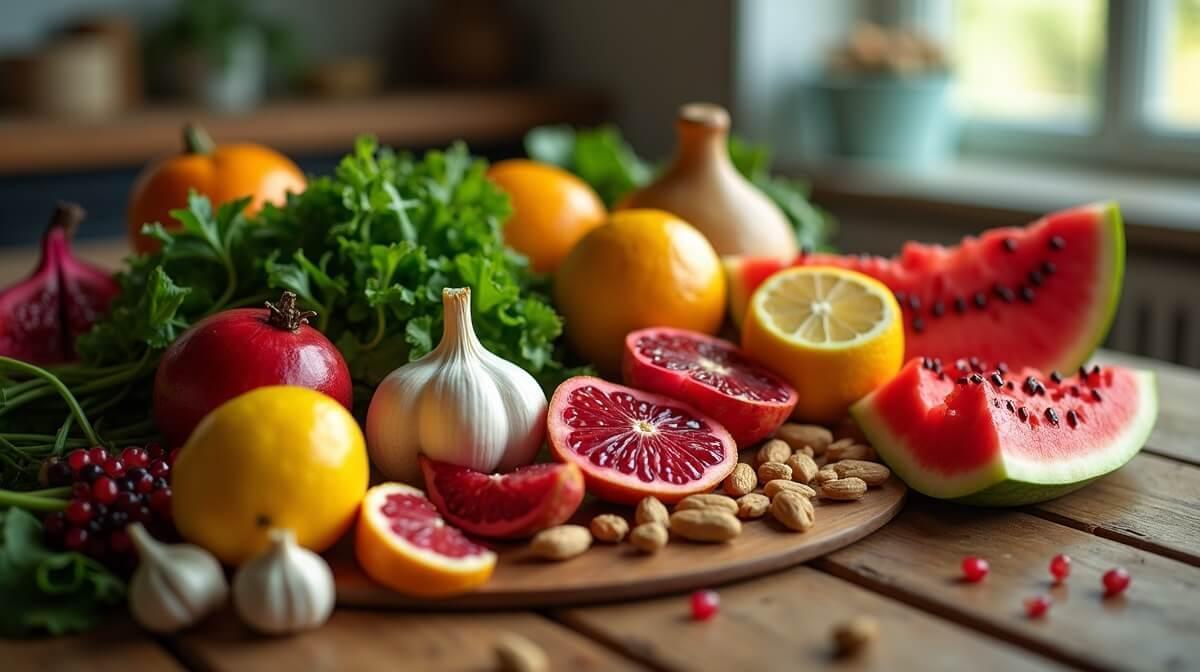
When health topics trend, myths multiply. Below we address common concerns with balanced, 2025-aligned evidence and practical guidance, so you can make decisions with confidence rather than hype.
Remember, individual responses vary. What matters most is adopting habits you enjoy enough to sustain—then measuring what matters to see your personal ROI.
Is too much nitric oxide harmful?
In physiology, balance is key. Your body regulates NO tightly, and whole foods rarely create excessive NO in healthy adults. Problems arise when oxidative stress is extreme or when people stack multiple high-dose products without guidance. With a food-first approach—greens, beets, citrus, garlic, and polyphenol-rich choices—safety margins are wide for most people.
If you combine diet with NO-targeted supplements or have cardiovascular conditions, consult your clinician to tailor doses and avoid hypotension or interactions. Monitoring blood pressure and how you feel is prudent.
Can diet alone significantly improve blood flow issues?
Diet can substantially support endothelial function, especially when paired with exercise, sleep, and stress management. Many people notice tangible benefits—lower resting blood pressure, warmer hands and feet, improved workout stamina—within weeks. However, if you have significant vascular disease or complex medication regimens, medical care remains essential.
Think of diet as a cornerstone that often reduces risk, improves symptoms, and enhances medication effectiveness—not a standalone cure.
Popular myths versus scientific evidence about nitric oxide foods
Myth: Only supplements work fast. Reality: beet juice elevates plasma nitrite within hours, and leafy greens contribute daily. Myth: All chocolate helps. Reality: benefits link to cocoa flavanol content, not candy bars. Myth: Mouthwash doesn’t matter. Reality: antiseptic rinses can blunt nitrate conversion.
Evidence favors a mixed pattern: nitrate-rich vegetables plus antioxidants and amino acids, layered with movement and sleep. That’s a sustainable formula that consistently performs in research and real life.
Frequently Asked Questions About Nitric Oxide Foods and Blood Flow
Which vegetables are highest in natural nitrates for nitric oxide?
Leafy greens and beets top the list. Arugula, spinach, Swiss chard, and romaine consistently provide meaningful dietary nitrates that convert to nitric oxide, especially when you avoid antiseptic mouthwashes around meals. Beets and beetroot juice are particularly potent and well-studied for both exercise performance and blood pressure support. Rotate varieties through the week—raw, lightly cooked, or juiced—to maintain interest and maximize your intake without over-relying on a single source.
Can boosting nitric oxide really lower blood pressure?
Yes, for many people—especially when paired with exercise and reduced sodium. Nitric oxide helps blood vessels relax, decreasing resistance and supporting healthier blood pressure. Human studies with beetroot juice and nitrate-rich greens show modest but meaningful reductions over 2–4 weeks. Results vary based on baseline diet, sleep, stress, and medications. If you take antihypertensives or have cardiovascular disease, coordinate changes with your clinician to monitor for excessive drops or interactions.
How quickly do dietary changes impact nitric oxide levels?
Some effects appear within hours. For example, beetroot juice often raises plasma nitrite 2–3 hours after ingestion and can support same-day performance. With daily intake of nitrate-rich vegetables and polyphenol sources, many people notice improvements in stamina and blood pressure within 1–3 weeks. The key is consistency and smart pairings—like greens plus citrus—to both generate and preserve nitric oxide over time.
Are nitric oxide supplements better than natural food sources?
Not necessarily—food provides multiple pathways at once: nitrates, vitamin C, polyphenols, and amino acids. Supplements can be convenient or helpful when timing is tight, but quality and dosing vary. Many people start with food and add a vetted product only if goals aren’t met. If you use supplements, align them with your meals and training, and review them with a healthcare professional to ensure safety and effectiveness.
What are the side effects of consuming too many nitric oxide-rich foods?
Whole foods are generally safe. Potential nuisances include pink urine from beets (harmless), digestive upset from large amounts of raw garlic, or caffeine sensitivity from dark chocolate. People with a history of kidney stones may rotate away from high-oxalate greens like spinach. If you’re on blood pressure medications, monitor for dizziness as your diet improves vessel function and consult your clinician to adjust therapy if needed.
Is it safe to combine different nitric oxide-boosting foods?
Yes—combining is often ideal. For example, beets (nitrates) plus citrus (vitamin C) and pumpkin seeds (arginine) support NO production and preservation from multiple directions. Diversity also limits overexposure to any one compound and keeps meals satisfying. If you manage medical conditions or take cardiovascular medications, a clinician can help you personalize portions and timing to avoid blood pressure dips.
How do I know if my nitric oxide levels are low?
There’s no single at-home gold standard, but patterns help: exercise feels harder at the same pace, hands and feet are often cold, and blood pressure trends upward. Some use saliva or urine test strips as rough proxies, though they’re imperfect. The best approach is to adopt evidence-based habits for 2–4 weeks and track objective metrics—resting blood pressure, workout performance, and energy—then adjust with professional input if needed.
Why should I focus on natural foods instead of pills for blood flow?
Whole foods deliver compound benefits: nitrates, antioxidants, fiber, minerals, and healthy fats that collectively support endothelial function and overall health. They also displace ultra-processed foods that impair NO. Supplements can be add-ons, but food-first strategies are sustainable, cost-effective, and safer for most adults. They build a foundation that makes any additional tools work better and reduces reliance on single-ingredient fixes.
Are there people who should avoid nitric oxide-rich foods?
Most adults can enjoy these foods. Those with specific conditions—like low blood pressure, significant kidney disease, or a history of oxalate kidney stones—should personalize choices and portions. If you’re on blood pressure medications, nitrates, PDE5 inhibitors, or anticoagulants, coordinate changes with your clinician. Grapefruit can interact with certain drugs; garlic may influence platelet function at high intakes. Professional guidance ensures benefits without unintended effects.
Does cooking reduce the nitric oxide-boosting potential of foods?
Cooking changes, but doesn’t eliminate, benefits. Long boiling can leach nutrients from greens; steaming, sautéing, or eating raw helps retain nitrate content. For garlic, chopping and resting 10 minutes before heat preserves active compounds. Cocoa flavanols remain in high-cocoa chocolate, though processing matters—choose minimally processed options. Bottom line: use varied preparations for taste and tolerance while preserving key nutrients.
Can these foods replace medication for circulation problems?
They complement, not replace, prescribed care. Many people improve blood pressure and stamina with a nitric oxide–friendly diet, but stopping or changing medications without medical advice is risky. The best path is partnership: adopt the diet and lifestyle upgrades, track results, and work with your clinician to adjust therapy if appropriate. This protects you while maximizing the chance of sustained improvements.
What daily habits support better nitric oxide production beyond diet?
Move daily—brisk walks, cycling, or intervals all stimulate NO production. Sleep 7–9 hours, manage stress with breath work or short meditations, and avoid smoking/vaping. Keep sodium in check, stay hydrated, and time mouthwashes away from nitrate-rich meals. These basics dramatically increase the payoff from your food choices and are often the difference between modest and outstanding results.
Conclusion
Nitric oxide is your blood vessels’ best friend—and your daily choices shape it. By prioritizing nitrate-rich greens and beets, layering in citrus, garlic, pomegranate, nuts/seeds, and high-cocoa chocolate, and pairing everything with movement and solid sleep, you create a powerful, sustainable plan for better circulation. Many people feel changes quickly and see measurable progress within weeks.
Quick recap for action
- Eat nitrate-rich greens or beets daily; pair with citrus or other antioxidants.
- Use garlic, nuts/seeds, and dark chocolate several times per week.
- Time beet juice 2–3 hours pre-workout; track performance and blood pressure.
- Exercise consistently, sleep well, and limit mouthwash around nitrate-rich meals.
- Personalize with professional guidance if you have medical conditions or take heart medications.
Did this guide help? Share your experience, favorite NO-friendly recipes, or questions in the comments—and pass this along to someone who could benefit from natural, evidence-based strategies for better blood flow.
Important Health Notice and Disclaimer: This content is educational and not a substitute for professional medical advice, diagnosis, or treatment. Always consult your physician or qualified healthcare provider regarding any questions about a medical condition, diet changes, supplements, or medications. If you experience chest pain, severe shortness of breath, fainting, or unusual dizziness, seek urgent care. Dietary nitrates and circulation-focused strategies may interact with blood pressure medications, nitrates, PDE5 inhibitors, and anticoagulants—coordinate changes with your clinician.







Add comment