
 Dr. Lauren Hayes
Last updated: November 30, 2025
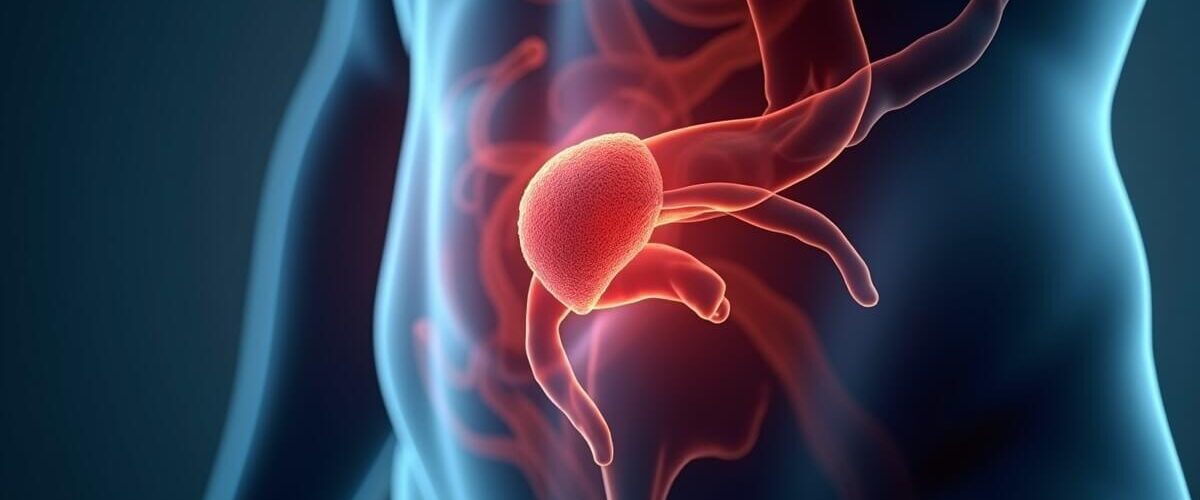
If you’re a man over 40 noticing urinary urgency, a weaker stream, or nighttime bathroom trips, you’re not alone. These frustrations are often blamed on prostate enlargement, but a deeper driver is frequently missed: poor blood flow prostate issues. When circulation to the pelvic region falters, the prostate and nearby tissues struggle to function and heal, amplifying symptoms many men chalk up to “just aging.”
Here’s the good news: circulation is changeable. By understanding how oxygen, nutrients, and signaling molecules like nitric oxide support the prostate, you can make targeted changes that reduce symptoms, support sexual function, and improve overall well-being. This guide distills the latest science into practical steps you can start today—without hype, and with the realism your health deserves.
You’ll learn how blood flow interacts with benign prostatic hyperplasia (BPH), prostatitis, and erectile function; which lifestyle and medical approaches matter most; and how to talk with your clinician about monitoring progress. Small, consistent actions can translate into measurable relief and confidence.
Key takeaways
- Poor pelvic circulation can aggravate BPH, prostatitis, and urinary symptoms.
- Age, inactivity, metabolic health, and vascular risk factors drive blood flow decline.
- Evidence-based habits—movement, diet, sleep, and targeted therapy—improve prostate perfusion.
- Tracking symptoms plus objective markers helps confirm what’s working for you.
- Better circulation supports urinary comfort and sexual health without relying only on meds.
Ready to connect the dots and take control? Explore the full guide below for step-by-step strategies tailored to men in the United States.
Understanding Poor Blood Flow and Its Impact on Prostate Health
Blood flow is the delivery system for oxygen, nutrients, hormones, and immune cells. The prostate sits deep in the pelvis, sharing vascular routes with the bladder, penis, and pelvic floor. When circulation dips, those tissues can enter a low-oxygen, low-repair mode that magnifies inflammation and symptoms.
In clinical practice and research, impaired microcirculation correlates with worse urinary flow, more frequent urination, pelvic discomfort, and slower recovery from inflammation. Men commonly attribute symptoms to gland size alone, but vascular health often explains why two men with similar prostate sizes feel very different.
What is poor blood flow and how does it develop?
Poor blood flow refers to reduced volume and quality of blood reaching tissues and the ability of tiny vessels to dilate on demand. Over time, arteries can stiffen, and capillaries can become less responsive, limiting oxygen and nutrient delivery where you need it most. The pelvis is especially vulnerable because it relies on a dense network of small vessels.
Multiple factors drive this decline: aging, high blood pressure, insulin resistance, chronic inflammation, and prolonged sitting. Reduced nitric oxide availability—a molecule that signals blood vessels to relax—further constrains perfusion. In the prostate, that can worsen congestion, slow waste removal, and sustain an inflammatory loop that keeps symptoms alive.
One practical approach is to restore vascular responsiveness and nitric oxide signaling through lifestyle, targeted nutrition, and, when appropriate, medications. Men often find that supporting circulation accelerates the benefits of other prostate therapies. For example, some men add circulation-focused support, including supplements like ProstAfense, which is positioned to enhance nitric oxide pathways and pelvic blood flow.
How does circulation affect the prostate gland?
The prostate is metabolically active, requiring steady delivery of oxygen to produce fluid, respond to hormones, and repair tissue. When blood flow dips, oxidative stress can rise and inflammatory mediators can accumulate. This combination can sensitize nerves, tighten smooth muscle in the bladder neck and urethra, and amplify obstruction-like symptoms.
Circulatory compromise also slows immune surveillance and waste clearance. Think of a city with clogged roads—trash piles up, deliveries are late, and complaints soar. Likewise, the prostate becomes more reactive and less resilient. Improving microvascular function helps restore the balance: less congestion, easier urine flow, and more predictable bladder signals.
Importantly, circulation influences neighboring structures, including the pelvic floor and penile tissue. Better pelvic perfusion often improves urinary control and sexual performance together, since the same arterial network serves both systems.
Why is blood flow often overlooked in prostate health discussions?
Prostate care traditionally centers on gland size, PSA trends, and infection status. These are important, but they don’t tell the whole story. Many men with moderate enlargement report severe symptoms, while others with larger glands feel relatively fine. Vascular health helps explain that mismatch, yet it’s rarely screened.
Clinically, it’s easier to measure size than microcirculation. Tools to directly assess pelvic blood flow are improving but not yet routine. Meanwhile, vascular risk factors—like blood pressure, lipids, and glucose—are usually managed by primary care, leaving urology to focus on symptoms downstream. Integrating both perspectives leads to better outcomes.
Finally, men may not connect lifestyle—sitting, diet, sleep, stress—to urinary symptoms. Educating patients on circulatory drivers empowers self-care that complements medical treatment and can reduce the need for escalation.
Common Prostate Issues Linked to Poor Blood Flow
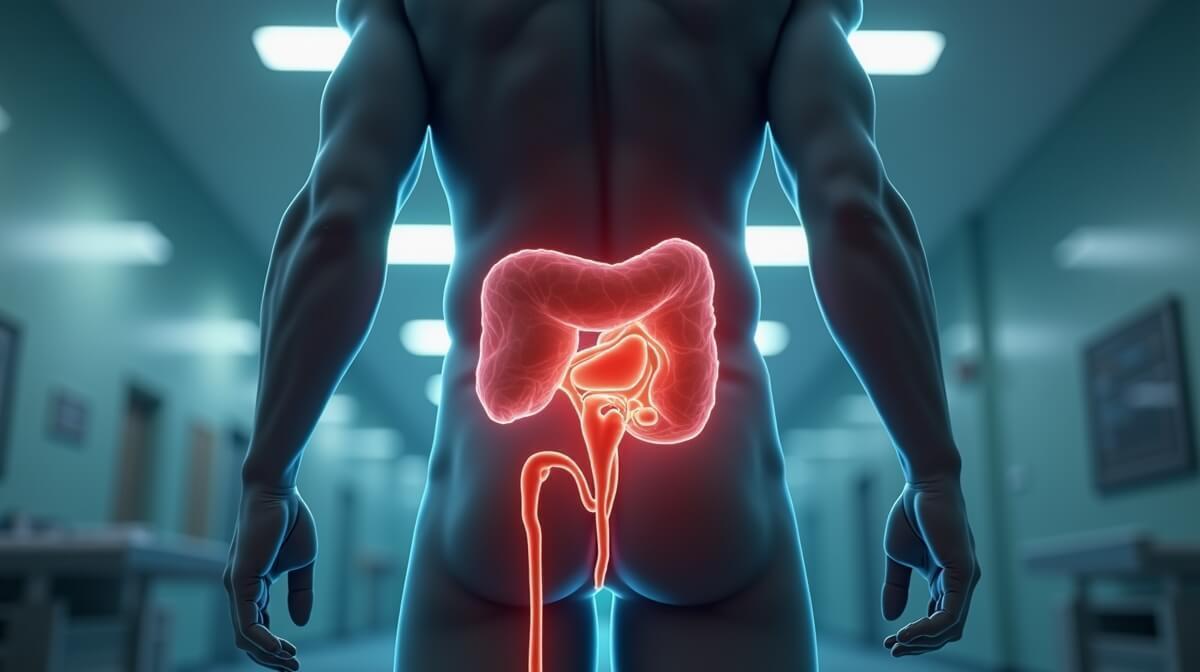
Not all prostate problems are caused by poor circulation, but many are exacerbated by it. Vascular issues influence symptom intensity, responsiveness to therapy, and flare frequency. Recognizing the circulatory component helps tailor a plan that includes both symptom relief and root-cause support.
Below, we outline the conditions most intertwined with microvascular health and the signs that suggest a blood flow contribution.
Which prostate problems are most affected by impaired circulation?
Benign prostatic hyperplasia (BPH) symptoms often worsen when pelvic blood flow is poor. Reduced perfusion heightens smooth muscle tone in the bladder neck and prostate, increasing resistance and causing hesitancy and weak stream. Men with cardiometabolic risk factors frequently report faster symptom progression.
Chronic prostatitis/chronic pelvic pain syndrome (CP/CPPS) is also linked to microvascular dysfunction. Low-level ischemia and inflammation can sensitize nerves, making pelvic pain, perineal aching, and post-ejaculatory discomfort more persistent. Better circulation can reduce these triggers and enhance response to pelvic floor therapy.
Erectile dysfunction (ED) shares the same vascular bed. When penile arteries underperform, it’s a signal that the pelvic circulation—including the prostate’s microvessels—may also struggle. Improving endothelial function can yield dual benefits: steadier urinary flow and stronger erections.
What symptoms may indicate circulation-related prostate issues?
Hallmark signs include a slow start to urination, weak or intermittent stream, frequent daytime trips, and waking two or more times nightly. Pelvic heaviness after long periods of sitting, discomfort after ejaculation, and a sense of incomplete emptying also raise suspicion of circulatory involvement.
Men may notice symptom “good days” and “bad days” tied to activity, hydration, and sleep. For example, more walking often coincides with easier urination, while long drives or flights can worsen urgency. Coexisting ED, cold extremities, and calf cramps with exertion point toward systemic circulation issues.
Keep a simple symptom diary for two weeks: note urination patterns, fluid intake, movement, stress, and sleep. Patterns often reveal a circulation connection and guide targeted changes.
Can improving blood flow help with conditions like BPH and prostatitis?
Yes—while not a cure-all, better circulation frequently reduces symptom burden and enhances response to standard therapies. In BPH, improved endothelial function lowers smooth muscle tone and supports bladder coordination, translating to a stronger stream and fewer nighttime awakenings.
In CP/CPPS, increased perfusion can quiet inflammatory signaling and reduce nerve hypersensitivity. Patients often report fewer flares, less pressure, and improved quality of life. The most reliable improvements come from combining movement, targeted nutrition, stress management, and, when appropriate, medications or procedures.
Expect gradual change. Many men notice early improvements within 2–6 weeks of consistent habits, with clearer gains over 3–6 months. Tracking objective metrics—like nocturia frequency and time-to-start—helps validate progress.
Factors That Affect Blood Flow to the Prostate
Circulation is dynamic. Age and biology set the baseline, but daily choices shape how well blood reaches the pelvis. Understanding the levers you can control makes change actionable and measurable.
Below are the biggest drivers—some modifiable, some not—and how they translate into practical steps.
How do age, lifestyle, and chronic conditions influence prostate circulation?
With age, arteries stiffen and nitric oxide production declines. That reduces the ability of vessels to dilate when the body calls for more blood. Men often notice slower recovery after exertion and more sensitivity to long sitting or dehydration. These normal changes don’t doom you; they set the stage for smarter habits.
Inactivity compounds the problem. The pelvis is a “sitting zone,” and long seated hours compress vessels and limit muscle pumps that help push blood upward. Excess visceral fat drives inflammation and insulin resistance, further impairing endothelial health. Conversely, walking, hip mobility, and gentle strength training reactivate pelvic blood flow.
Chronic conditions—hypertension, diabetes, dyslipidemia, sleep apnea—erode microvascular health. Treating them aggressively pays dividends in prostate comfort. For example, achieving a hemoglobin A1C below 6.5–7% or bringing blood pressure below 130/80 mmHg often correlates with fewer urinary complaints.
What role do medications, diet, and exercise play in blood flow quality?
Medications can help or hinder. Alpha-blockers relax prostate and bladder neck smooth muscle, improving flow. PDE5 inhibitors support nitric oxide signaling and are increasingly used off-label to aid urinary symptoms in men with ED. Some decongestants and high-dose antihistamines, however, can worsen urinary hesitancy by tightening smooth muscle.
Diet is a daily opportunity. Diets rich in leafy greens, beets, citrus, berries, nuts, and olive oil support endothelial function. Limiting ultra-processed foods, excess sodium, and added sugars reduces vascular strain. Hydration matters too: even mild dehydration can thicken blood and trigger urgency.
Exercise is the fastest lever. A blend of brisk walking, mobility work, and strength exercises around the hips and core enhances pelvic blood flow. Aim for at least 150 minutes of moderate activity weekly, plus two strength sessions. Even 5-minute movement “snacks” every hour can counteract long sitting.
Are there genetic or anatomical risk factors for poor prostate blood flow?
Genetics shape vessel elasticity, lipid handling, and inflammatory tone. Family histories of early cardiovascular disease or metabolic syndrome likely increase susceptibility to pelvic microvascular issues. While you can’t change genes, you can buffer their effects with lifestyle and appropriate medications.
Anatomical factors matter too. Pelvic floor hypertonicity, hip stiffness, and spinal alignment can influence blood routing and nerve irritation. Prior pelvic surgeries, hernias, or vascular anomalies can alter flow dynamics. A pelvic health physical therapist can evaluate mobility, breathing patterns, and muscular tension that restrict perfusion.
Finally, occupational demands—truck driving, desk work, cycling—shape exposure. Strategic breaks, seat adjustments, and technique coaching reduce compression and improve circulation without abandoning activities you enjoy.
| Factor | Mechanism | Typical Impact on Prostate Symptoms |
|---|---|---|
| Prolonged sitting | Pelvic vessel compression; reduced muscle pump | More urgency, weak stream days, pelvic heaviness |
| Hypertension | Endothelial injury and arterial stiffness | Faster progression of lower urinary tract symptoms |
| Insulin resistance | Inflammation and nitric oxide impairment | Greater nocturia, variable stream |
| Sleep apnea | Intermittent hypoxia | Morning frequency, fatigue-related flares |
| Dehydration | Higher blood viscosity; bladder irritation | Urgency spikes; concentrated urine discomfort |
| Pelvic floor tension | Vascular and urethral compression | Hesitancy, post-void dribble, pain |
Data like this helps you spot your personal drivers. Two or three factors often stand out. Target those first for visible improvements within weeks, then layer additional changes for sustained gains over months.
Even modest progress—like adding 2,000 steps per day or improving sleep by 30 minutes—can meaningfully shift pelvic blood flow. Build momentum with achievable wins, then grow from there.
“In men, urinary and sexual symptoms often share a vascular origin. When we improve endothelial health, both domains tend to get better together.”
– Gregory A., MD, Board-Certified Urologist
Partnering with your clinician to manage blood pressure, lipids, and glucose multiplies the effect of lifestyle upgrades. Think of it as aligning all oars in the same direction.
Micro-habits like these limit pelvic congestion without disrupting your schedule. Over a month, they add up to hours of extra circulation that your prostate and bladder will notice.
How to Improve Blood Flow for Optimal Prostate Health
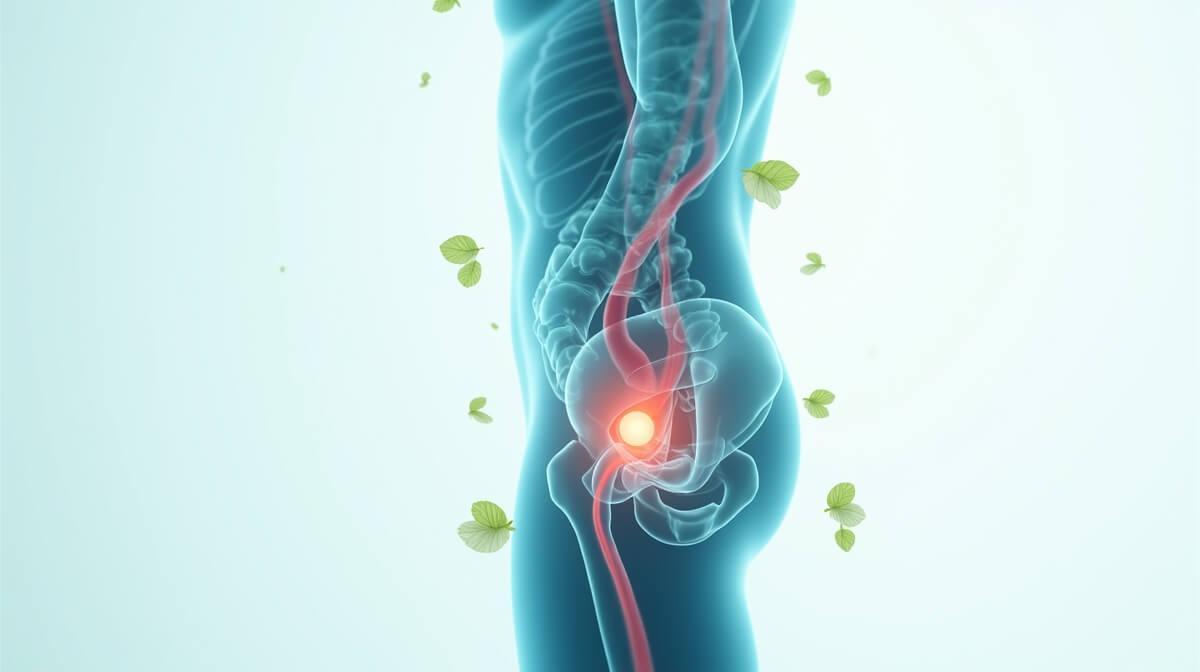
Improvement comes from stacking small, evidence-backed behaviors. The aim is to support nitric oxide production, reduce inflammation, and keep blood moving through the pelvic network. You don’t need perfection—consistency beats intensity.
Below are practical strategies mapped to common barriers, with options that fit busy schedules and varied fitness levels.
Which lifestyle changes most effectively boost circulation to the prostate?
Prioritize movement. Target 8,000–10,000 steps most days, but even 5,000 steps with hourly breaks can help. Add two 20-minute strength sessions focused on hips, glutes, core, and back. Movements like bridges, step-ups, and hip openers enhance pelvic blood flow and reduce urethral pressure.
Eat for endothelial health. Center meals on greens, beets, tomatoes, berries, beans, fish, nuts, and extra-virgin olive oil. Limit ultra-processed foods, excess sodium, refined carbs, and alcohol. Hydrate steadily—clear to pale-yellow urine is your easy guide. Aiming for 2–2.5 liters daily suits many men unless your clinician advises otherwise.
Sleep and stress matter. Aim for 7–8 hours of consistent sleep to restore vascular function and hormone balance. Use breathing drills like 4-7-8 or box breathing to reduce sympathetic tone that tightens smooth muscle in the bladder neck. Short, daily routines beat sporadic weekend marathons.
These friction-reducing cues make the healthy choice the easy choice. Over time, your “default day” shifts toward better circulation without constant willpower.
- Walk 5–10 minutes after each meal.
- Perform 8–12 hip bridges and 10–15 step-ups, twice weekly.
- Stand or move for 3 minutes every hour of sitting.
- Drink a glass of water upon waking and mid-afternoon.
- Add a fist-sized serving of leafy greens daily.
- Limit alcohol to no more than 1 drink per day, most days.
- Practice 5 minutes of slow breathing before bed.
- Stretch hip flexors for 60–90 seconds per side, daily.
Start with two items you can do today. When those feel automatic, layer a third. In 4–6 weeks, your body will usually reward you with measurable symptom relief.
What evidence-based treatments and supplements support better blood flow?
Medical therapies include alpha-blockers to relax prostate smooth muscle and PDE5 inhibitors to enhance nitric oxide signaling. In men with both BPH and ED, daily low-dose PDE5 inhibitors can improve urinary flow and sexual performance. 5-alpha-reductase inhibitors reduce gland size over months but may have sexual side effects for some men.
Targeted nutrients that support endothelial function include dietary nitrates (from beets and leafy greens), L-arginine or L-citrulline (nitric oxide precursors), and polyphenols (from pomegranate, cocoa, and berries). Omega-3s may reduce inflammation, and magnesium can aid smooth muscle relaxation, especially when dietary intake is low.
Some men consider circulation-focused formulations for synergistic support—always discuss with your clinician, especially if you take blood pressure meds or anticoagulants. For an in-depth look at a nitric-oxide–centered approach, you can read our ProstAfense review, which explores how supporting nitric oxide and pelvic blood flow may complement standard care.
Non-pharmacologic therapies like pelvic floor physical therapy reduce muscular tension that compresses vessels and urethra. Heat therapy and contrast showers can temporarily increase blood flow; many men use them before mobility work to enhance comfort.
How can patients and doctors monitor improvements in prostate circulation?
While direct pelvic microvascular tests are uncommon, you can track meaningful proxies. Symptom scores (e.g., IPSS), nocturia counts, time-to-start urination, and average stream strength (subjective scale 1–10) offer practical feedback. Add weekly step counts and minutes of moderate activity to see how behavior maps to results.
Clinicians may monitor blood pressure, fasting lipids, A1C, and inflammatory markers. Erectile function often parallels pelvic perfusion; improvements there are a helpful signal. Ultrasound post-void residuals and uroflowmetry provide objective urinary data. If symptoms are atypical or severe, your urologist may order imaging or cystoscopy to rule out structural issues.
Agree on a 8–12 week trial with specific targets—like reducing nocturia from 3 to 1–2—then reassess. This time frame respects tissue biology while keeping momentum and accountability.
“We get the best outcomes when patients track simple metrics. Seeing a nocturia drop or step-count rise turns an abstract goal into tangible progress.”
– Dana R., DPT, Pelvic Health Physical Therapist
Data builds confidence. When the numbers and your body align, it’s easier to stick with the plan and refine it with your care team.
Risks, Myths, and Misconceptions About Blood Flow and Prostate Problems
Ignoring the circulatory component can keep you stuck in a loop of symptom chasing. On the flip side, chasing quick fixes without evidence can waste time and money. A balanced approach blends science, practicality, and personalization.
Let’s separate proven strategies from persistent myths and outline safeguards that keep your plan safe and effective.
What are the dangers of ignoring circulation as a root cause?
When poor blood flow goes unaddressed, you may rely solely on symptom-relieving meds without improving underlying resilience. That can mean recurring flares, escalating doses, or preventable procedures. Men with vascular risk factors may also miss early cardiovascular warnings that urinary symptoms can signal.
Unchecked endothelial dysfunction can aggravate ED, reduce exercise tolerance, and impair sleep due to nocturia. Inflammatory load rises, compounding metabolic issues. Addressing circulation is not about abandoning medication—it’s about making everything work better, often with lower doses and fewer side effects.
In practice, a dual-track plan—vascular plus urinary—delivers steadier gains and fewer setbacks over time.
Which popular beliefs about prostate health and blood flow are false?
Myth 1: “Only prostate size matters.” Reality: Symptom burden correlates poorly with size. Vascular tone, pelvic floor tension, and inflammation play major roles. Myth 2: “If I don’t have ED, my circulation is fine.” Reality: Pelvic circulation has many dimensions beyond erections.
Myth 3: “Surgery is inevitable.” Reality: Many men achieve meaningful relief through combined lifestyle and medical care. Myth 4: “Hydration worsens symptoms.” Reality: Strategic hydration reduces bladder irritation; the key is timing and steady intake, not restriction.
Myth 5: “Supplements are either magic or useless.” Reality: Some have plausible mechanisms and supportive data when used judiciously and in context. Evaluate quality, dose, and interactions with your clinician.
How to recognize unreliable information and seek trustworthy advice?
Be wary of absolute claims, miracle cures, or single-ingredient promises. Reliable guidance explains mechanisms, acknowledges limitations, and offers clear monitoring steps. Look for alignment with urology and primary care standards and for transparency about potential side effects.
Ask, “What would I track to know this works for me?” If the answer is vague, reconsider. Preference credible sources that align with recent clinical statements and emphasize shared decision-making. Bring questions to your clinician; a good care plan adapts to your values and goals.
Finally, test changes in cycles—8–12 weeks with predefined metrics. Evidence in your own body is the most compelling proof.
Frequently Asked Questions About Poor Blood Flow and Prostate Issues

What are the main symptoms of poor blood flow to the prostate?
The most common signs include slow initiation of urination, weak or stop-start stream, frequent daytime urination, and waking at night two or more times. Many men also report pelvic heaviness after sitting, discomfort after ejaculation, and a sensation of incomplete emptying. These often fluctuate with activity, hydration, and sleep. Coexisting erectile difficulties can further suggest a circulatory component, since the same vascular network serves the pelvis and penis.
Can poor circulation cause common prostate problems like BPH or prostatitis?
Poor circulation is not usually the sole cause of BPH or prostatitis, but it can significantly worsen symptoms and slow recovery. In BPH, impaired endothelial function increases smooth muscle tone, elevating resistance at the bladder neck and urethra. In chronic prostatitis/CPPS, low-level ischemia and inflammation can sensitize nerves. Improving blood flow often reduces urgency, nocturia, and pelvic discomfort while enhancing the effectiveness of standard medical and physical therapies.
How do age and lifestyle factors impact blood flow to the prostate gland?
Aging reduces nitric oxide availability and arterial elasticity, limiting vessels’ ability to dilate on demand. Sedentary habits compress pelvic vessels and weaken the muscle pumps that move blood. Metabolic conditions like hypertension, diabetes, and dyslipidemia further injure the endothelium. The good news is that movement, dietary patterns rich in plants and healthy fats, better sleep, and targeted therapies can restore much of this capacity and improve urinary comfort.
Are there natural ways to improve blood flow and support prostate health?
Yes. Walking after meals, strength work for hips and core, hourly standing breaks, and hip mobility drills reliably boost pelvic perfusion. Diets emphasizing leafy greens, beets, berries, tomatoes, fish, nuts, beans, and extra-virgin olive oil support endothelial function. Steady hydration, 7–8 hours of sleep, and stress-reduction techniques help regulate smooth muscle tone. Many men combine these with clinician-guided supplements that support nitric oxide pathways.
How is poor blood flow to the prostate diagnosed by healthcare providers?
Direct testing of pelvic microcirculation is uncommon. Instead, clinicians infer circulation status from symptoms, physical findings, and systemic vascular markers. They may use the IPSS score, bladder scans for post-void residual, and uroflowmetry. Cardiometabolic labs (blood pressure, A1C, lipids) and erectile function give indirect clues. Improvement in urinary and sexual symptoms after lifestyle or vascular-focused therapy supports a circulatory contribution.
Can circulatory issues lead to more serious prostate complications if untreated?
While poor blood flow itself doesn’t directly cause cancer, chronic endothelial dysfunction can entrench inflammation and worsen urinary obstruction. This may lead to recurrent infections, bladder overactivity, or the need for more invasive procedures. Systemically, it also raises cardiovascular risk. Addressing circulation early often reduces symptom escalation and improves quality of life while supporting broader health.
What changes in diet or exercise are most helpful for enhancing prostate circulation?
Combine brisk walking (8,000–10,000 steps most days) with two weekly strength sessions focused on hips and core. Break up sitting every hour. Diet-wise, emphasize leafy greens, beets, citrus, berries, nuts, beans, fish, and extra-virgin olive oil. Reduce ultra-processed foods, refined carbs, excess sodium, and heavy alcohol. Consistent hydration and sleep complete the formula and often produce noticeable improvements within 4–8 weeks.
Are medications for prostate issues also beneficial for improving blood flow?
Some are. Alpha-blockers relax smooth muscle in the bladder neck and prostate to ease flow. PDE5 inhibitors, used for erectile dysfunction, enhance nitric oxide signaling and can improve urinary symptoms in select men. 5-alpha-reductase inhibitors shrink the prostate over time but don’t directly improve circulation. Medication choice should consider your vascular risk profile, preferences, and potential side effects in consultation with your clinician.
What warning signs might suggest my prostate problem is related to poor circulation?
Fluctuating urinary stream strength tied to activity, pelvic pressure after long sitting, nocturia that improves on active days, and coexisting erectile challenges all point toward a vascular component. Cold feet or a history of hypertension, elevated A1C, or dyslipidemia adds to the suspicion. Tracking symptoms alongside step counts and sitting time can clarify the relationship in your daily life.
Does improving blood flow reverse or only prevent prostate issues?
For many men, better blood flow reduces symptoms and improves function, even when anatomical enlargement remains. Think of it as making the plumbing more cooperative. While it may not “reverse” structural changes completely, it often prevents worsening and makes other treatments work more effectively. The most reliable gains come from consistent lifestyle upgrades plus targeted medical or physical therapies.
What myths exist about blood flow and prostate disease that I should ignore?
Ignore claims that size alone explains symptoms, that hydration invariably makes urgency worse, or that one supplement solves everything. Be skeptical of advice that discourages proven strategies like walking, strength training, or dietary upgrades. Credible guidance explains mechanisms, acknowledges limits, and shows you what to track to confirm progress in your own case.
How do I choose credible sources when researching prostate and circulatory health?
Favor sources that align with contemporary urology and cardiovascular guidance, cite mechanisms without overpromising, and suggest measurable steps and timelines. Look for balanced discussions of benefits and risks, and avoid miracle claims. Bring your short list to your clinician to tailor the plan. The best source is the one that helps you act safely and track results over time.
Conclusion
Poor pelvic circulation is a powerful, modifiable driver of urinary and sexual symptoms. By pairing daily movement, targeted nutrition, sleep, and stress control with clinician-guided therapies, most men can meaningfully improve comfort and confidence—often within a few weeks, and more so over months.
Your next step is simple: choose two small actions to start today, track your symptoms for 2–4 weeks, and share the results with your clinician. If you’re exploring nitric-oxide–supportive strategies as part of this plan, you can also learn how circulation-focused formulations may complement standard care—click here to read our full ProstAfense review.
In summary
- Circulation influences prostate, bladder, and sexual function together.
- Movement, diet quality, sleep, and stress control are high-yield levers.
- Medications and targeted nutrients can amplify results, when appropriate.
- Track simple metrics to verify what works for you.
- Collaborate with your clinician for a durable, personalized plan.
Was this helpful? Share your experience and questions. Your insights can help other men find safe, effective, and sustainable relief.
Important Health Notice and Disclaimer: This article provides general information for educational purposes and does not replace personalized medical advice, diagnosis, or treatment. Always consult a licensed healthcare professional about your specific symptoms, medications, and medical conditions, especially before starting or changing any exercise, diet, or supplement routine. If you experience fever, severe pain, blood in urine, urinary retention, or sudden symptom changes, seek prompt medical care. Results vary by individual biology, adherence, and comorbidities.







Add comment