

 Dr. Lauren Hayes
Last updated: December 15, 2025
If stubborn fungal infections keep returning despite careful hygiene and repeated treatments, you are not alone. Many adults in the United States struggle with recurring athlete’s foot, ringworm, and nail fungus. Understanding What Is Undecylenic Acid and why clinicians still rely on it can help you choose practical therapies that fit your goals: fewer flare-ups, safer options, and a plan you can follow at home.
Undecylenic acid has been used for decades in over-the-counter antifungal products, yet most people are unclear about how it works or where it fits alongside creams like clotrimazole or prescription drugs such as terbinafine. This guide translates the science into daily decisions—so you know when undecylenic acid makes sense, how to apply it correctly, and how to prevent fungus from coming back.
You will also learn how to evaluate product labels, select concentrations, and set realistic timelines. If you have diabetes, sensitive skin, or a history of recurrent infections, we will highlight specific precautions and practical steps to improve outcomes while minimizing side effects.
Key takeaways
- Undecylenic acid is a fatty acid–derived antifungal that disrupts fungal cell membranes and growth conditions on skin and nails.
- It is widely available in the United States without a prescription and can support care for athlete’s foot, ringworm, and mild nail fungus.
- Correct concentration, steady application, and prevention habits strongly influence results and reduce recurrences.
- Safety is favorable for most adults, but patch testing and attention to skin sensitivity are important, especially for long-term use.
- Comparing undecylenic acid with clotrimazole and terbinafine helps tailor treatment to your infection type, severity, and preferences.
Ready to make an informed decision? Explore the full article for practical instructions, safety guidance, timelines, and evidence-based comparisons to match undecylenic acid with your needs.
What Is Undecylenic Acid and How Does It Work Against Fungus?
Undecylenic acid is a medium-chain fatty acid (C11) commonly sourced from castor oil via thermal cracking. In dermatology, it is formulated into solutions, creams, liquids, powders, and nail products for superficial fungal infections. Its antifungal activity is broad among dermatophytes and some yeasts, making it a practical, accessible option in over-the-counter care.
Many people face recurring infections due to environmental exposure, moisture, and behavioral factors that fungi exploit. In some cases, perceived “fungal resistance” or poor outcomes reflect inadequate penetration into nail plates or missed sources of recontamination. When choosing products or routines, consider an approach that addresses underlying drivers. For a perspective on formulas designed to focus on this “root cause,” review independent analyses that evaluate penetration, adherence, and host factors.
Definition and chemical structure of undecylenic acid
Undecylenic acid, also called 10-undecenoic acid, is an unsaturated fatty acid with the formula C11H20O2. Its double bond and lipophilic nature help it interact with lipid-rich environments, such as skin sebum and the outer structures of fungal cells. This physicochemical profile supports topical delivery and localized antifungal action without systemic exposure.
Because it is derived from castor oil, supply is stable and cost-effective for manufacturers. The acid itself is often neutralized to create salts (e.g., zinc undecylenate) that can improve product stability or sensory qualities. These forms are commonly blended into powders for intertriginous areas, where friction and moisture promote athlete’s foot or jock itch.
Topical undecylenic acid products in the United States typically range from 10% to 25% concentrations. Liquids and solutions at 10–15% are often selected for nails and between-toe skin, while creams can carry similar concentrations for broader skin surfaces. Checking the Drug Facts label ensures you understand the active percentage and excipients that may influence tolerance.
How undecylenic acid disrupts fungal growth at the cellular level
Fungal cells rely on intact lipid membranes and balanced intracellular pH to grow and replicate. Undecylenic acid interferes with these conditions in two main ways. First, its lipophilic tail can disturb fungal membrane integrity, impacting transport and enzyme function. Second, it acidifies the local microenvironment, creating a less hospitable pH for dermatophyte expansion.
These mechanisms reduce spore germination and hyphal growth, particularly in dermatophytes like Trichophyton and Microsporum species. As growth slows, the host’s natural skin turnover and hygiene measures have a better chance to clear colonized tissue. This is why consistent application across the entire affected area, not just visible borders, is critical for success.
Undecylenic acid also seems to act as a deterrent in moist, occluded regions, where fungal load can reaccumulate quickly after bathing or exercise. By keeping the local environment acidic and lipid-disrupted, it can help “hold the line” between treatments and reduce reestablishment. This effect is especially helpful when combined with moisture control and daily sock or shoe hygiene.
Which types of fungus are most affected by undecylenic acid
Undecylenic acid demonstrates reliable activity against dermatophytes, the fungi most responsible for athlete’s foot (tinea pedis), jock itch (tinea cruris), and ringworm (tinea corporis). These organisms thrive on keratin and prefer warm, humid conditions. Regular application can decrease fungal burden and help reduce transmission to household members via surfaces or shared linens.
Some yeast species, including Candida, are less predictable with undecylenic acid. Though topical products may still be used on mild yeast-related irritations in skin folds, medical evaluation is appropriate for recurrent or severe yeast presentations. Non-dermatophyte molds that infect nails may also respond variably, which is one reason nail fungus can be more challenging to address than skin infections.
Nail infections (onychomycosis) often involve dermatophytes like Trichophyton rubrum, but nail plates limit penetration for any topical agent. Combining diligent filing, prolonged application, and shoe hygiene increases the chance of benefit from undecylenic acid. For thick, long-standing nail disease with significant involvement, medical consultation helps determine whether topical care alone is realistic.
In practice, undecylenic acid is most dependable on superficial skin infections where keratin barriers are thinner. On nails, it can be part of a broader regimen for those avoiding systemic antifungals, but timelines are longer and expectations should be measured. If the entire nail matrix is affected, prescription therapy may be considered.
Common Uses of Undecylenic Acid in Treating Fungal Infections

In the United States, undecylenic acid is approved for over-the-counter use in many antifungal products. Because it is accessible and familiar to pharmacists, it’s often a first-line option for mild tinea infections. People who prioritize personal hygiene and nonprescription solutions use it to calm irritation, reduce scaling, and limit spread.
Beyond the foot and groin, some individuals employ undecylenic acid in ring-shaped body rashes typical of tinea corporis. The key is confirming the infection is indeed fungal. When uncertain, a clinician can help distinguish eczema, psoriasis, or bacterial impetigo from ringworm, since management differs and misdiagnosis delays recovery.
Main medical and over-the-counter applications for fungal skin infections
The most frequent indications include athlete’s foot between toes, scaling on soles, and pruritus that flares after exercise. Undecylenic acid solutions penetrate skin creases and can be applied twice daily to small areas. Powders improve friction zones, especially for people with sweaty feet, frequent gym use, or steel-toe work boots.
Jock itch often responds to creams containing undecylenic acid when applied to clean, dry skin after showers. A thin layer extending about one inch beyond visible borders helps reduce microscopic spread. Clothing choice matters: breathable, moisture-wicking fabrics reduce recurrence by keeping the region drier over long workdays.
Ringworm on the body typically forms a clearer edge with central clearing. Topical undecylenic acid can be used on these plaques while practicing hand hygiene after application. Household transmission via towels or bedding is common; laundering hot and drying thoroughly reduces risk. Pets can also be sources; veterinary evaluation may be necessary if recurrences are frequent.
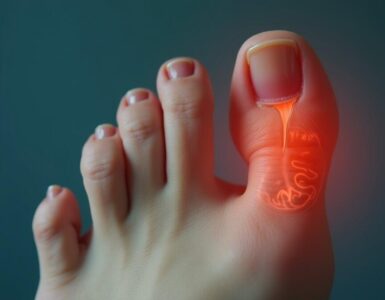
People seeking undecylenic acid for toenail fungus often prefer a brush-on liquid to reach under the nail edge. Filing thickened areas improves access. Consistency over months is required because nails grow slowly. If the nail is very thick or lifts from the bed, professional debridement can complement topical care and improve comfort in shoes.
For shoppers comparing options, community pharmacists can help identify legitimate Drug Facts labels and appropriate concentrations. Those ready to buy undecylenic acid can evaluate brand, concentration, and form (solution versus cream) based on the site of infection and day-to-day routines.
For people researching supplements, remember that best undecylenic acid supplement is a relative term and depends on quality control, dose, and intended use. Most evidence for undecylenic acid focuses on topical application; oral supplementation for fungal care is not standard and should be discussed with a clinician if considered.
To summarize common applications, consider realistic goals: skin tinea often improves in 2–4 weeks, while nails require months. Integrating footwear strategies, sock changes, and shower habits makes a measurable difference in recurrence rates and household spread.
When exploring treatment plans, always factor in personal medical history. People with diabetes or peripheral vascular disease should be especially attentive to skin integrity and seek medical guidance early for foot issues, even when considering over-the-counter options.
Before jumping to advanced therapies, adopting consistent basic care with undecylenic acid can reduce itch, flaking, and scaling. Pairing application with friction control and moisture management usually produces better weekly progress than antifungals alone.
Typical products and formulations containing undecylenic acid
Formulations include 10–25% solutions for skin folds and between toes, 10–15% liquids with brush applicators for nails, and creams at similar strengths for larger body areas. Powders often blend zinc undecylenate with drying agents like talc or starch to improve comfort and adherence in athletic or work settings.
Solutions are useful when you need thin, quick-drying coverage and precise placement. Creams add emollients that soothe dry or cracked skin but may feel heavier in humid conditions. Powders reduce maceration in occluded regions and can be applied inside shoes and socks to lower moisture load.
For nails, look for narrow-neck bottles with brushes to reach the undersurface of the nail. Slightly roughening the surface with a fine file increases contact. Many users clean nails after showering, dry thoroughly, then apply a thin coat twice daily. Patience is essential: expect visible changes as healthy nail grows out over months.
Product labels in the U.S. list “Undecylenic Acid” under active ingredients with percentage. Inactive ingredients affect tolerability—alcohol-based vehicles dry quickly but can sting; glycerin or aloe may soothe but prolong drying time. Patch testing on a small area helps identify sensitivity before using on larger regions.
When comparing shelves, check expiration dates and tamper seals. Store products away from heat to maintain stability. Keep solutions tightly capped to minimize evaporation; changes in smell or consistency can signal degradation, and a fresh bottle may be prudent for long regimens.
Finally, consider portability and routine fit. A travel-size solution in your gym bag supports after-shower application, while a larger bottle stays at home. Streamlining products with your daily habits is one of the strongest predictors of adherence and better outcomes.
Comparing undecylenic acid to other common antifungal agents
Comparisons with clotrimazole and terbinafine help you align expectations. Clotrimazole interferes with ergosterol synthesis and is widely available as cream; terbinafine inhibits squalene epoxidase and can be topical or oral, with oral forms used for stubborn nail infections. Undecylenic acid complements these options, especially for early or mild tinea on skin.
People often search “undecylenic acid vs terbinafine” or “undecylenic acid vs clotrimazole” to judge efficacy and timelines. Topical terbinafine may act faster for some tinea species, while undecylenic acid’s acidic microenvironment can be preferable in moist, macerated areas. Clotrimazole is gentle and familiar, appropriate for rotation if irritation occurs with other agents.
When forming a plan, consider severity, site, recurrence risk, and personal tolerance. For nails, oral terbinafine has stronger evidence but carries lab-monitoring considerations and potential systemic side effects. For skin tinea, over-the-counter choices can reasonably start with undecylenic acid while emphasizing dryness, footwear hygiene, and consistent application.
| Agent | Typical Use | Form | Strengths | Considerations |
|---|---|---|---|---|
| Undecylenic acid | Skin tinea; adjunct for nails | Solution, cream, powder | Accessible OTC; supports acidic environment | Needs consistent use; nail penetration limited |
| Clotrimazole | Skin tinea, yeast | Cream, lotion | Gentle, widely available | Requires twice-daily use for weeks |
| Terbinafine | Skin tinea; nails (oral) | Cream, gel; oral tablets | Strong nail data (oral) | Oral form needs monitoring; potential interactions |
In real life, people rotate agents when irritation occurs or when progress stalls. A two- to four-week course with one topical can be followed by another if needed. If symptoms worsen or persist, consult a clinician for culture, differential diagnosis, or consideration of systemic options.
Some readers explore “natural alternatives for fungal infections,” such as tea tree oil, urea for nail debridement, or hygiene-focused routines paired with diet and supplements. These may help with moisture control or keratin softening but vary in evidence. If you are considering alternative strategies, see our review of a deep-acting, root-cause–focused solution to understand mechanisms, adherence, and safety comparisons.
Ultimately, the “right” choice balances your medical profile, convenience, and tolerance. If you prefer OTC first, undecylenic acid is a rational, cost-conscious start for skin tinea, with room to escalate if the response is incomplete.
As you assess options, keep prevention in mind. Any antifungal works better when recontamination pathways—damp shoes, shared floors, locker rooms—are addressed alongside treatment.
“In superficial tinea, consistent topical therapy plus moisture control often outperforms sporadic use of any single antifungal. The regimen matters as much as the molecule.”
– Dermatology Pharmacotherapy Clinician
Many treatment disappointments stem from inconsistent use and missed environmental sources. Building simple habits around application times and footwear changes reduces relapse risk and boosts satisfaction with over-the-counter care.
Consider calendaring your regimen like a workout plan. Morning and night applications, shoe rotation, and laundry routines become automatic after two weeks, lowering the cognitive load of care.
Effectiveness of Undecylenic Acid for Various Fungal Conditions
Effectiveness depends on infection type, severity, and user adherence. Skin tinea with minimal scaling often improves within two weeks, while nails require months of persistent effort. When used correctly, undecylenic acid reduces symptoms such as itch, scale, and redness, and helps control spread to adjacent areas.
Because nail penetration is limited, onychomycosis outcomes vary widely. Still, combining filing, daily application, and moisture control yields meaningful cosmetic improvements for some. If your goal is full clearance of long-standing, thick nail disease, speak with a clinician about oral options and realistic timelines.
Evidence for undecylenic acid in treating athlete’s foot, ringworm, and nail fungus
Historically, undecylenic acid has demonstrated in vitro activity against dermatophytes. Clinical experience over decades supports its usefulness in athlete’s foot and ringworm, particularly as part of daily hygiene regimens. For example, people who pair twice-daily application with sock changes and shower drying often report noticeable itch reduction by week two.
In jock itch, the combination of a soothing cream and airflow improvements—looser clothing, breathable fabrics—has practical value. Reducing maceration helps the acidic environment maintain anti-fungal conditions. As symptoms recede, extending treatment one to two weeks beyond visible resolution reduces relapse risk due to lingering microscopic colonies.
For nails, reports vary, but some users achieve modest-to-visible improvement when applying liquids twice daily, filing weekly, and maintaining shoe hygiene. The slow nail growth rate means any benefit emerges gradually as healthy nail replaces infected keratin. Patience is critical, and tracking progress with photos every four weeks helps maintain motivation.
Even when undecylenic acid is not the sole solution for nails, it can be a supportive adjunct. For example, a person unable to take oral terbinafine may combine undecylenic acid with professional debridement and footwear strategies to improve comfort and containment.
If you value a topical-first approach, create a timeline: skin infections 2–4 weeks of twice-daily application; nails at least 3–6 months. Reassess monthly, and if progress stalls, consult a clinician for culture or alternative plans.
Visual tracking catches small gains that daily observation misses. It also helps you and your clinician judge whether the regimen warrants continuation or modification. Objective evidence reduces the frustration of slow-moving nail changes.
If family members share showers or floors, coordinate cleaning routines and personal footwear. Even good treatment can be undermined by reinfection from household sources.
How quickly does undecylenic acid work for fungal infections?
Timelines differ by site. Athlete’s foot can show symptom relief within 7–14 days, with scaling and itch reduced as the antifungal and moisture control take hold. Complete resolution may take several weeks, and continuing application for one to two weeks after clear skin appears helps prevent relapse.
Ringworm patches often shrink and fade over 2–4 weeks. Extending the application to a margin around the lesion reduces microscopic spread. If a lesion enlarges despite treatment, reassess diagnosis with a clinician because mimics like nummular eczema or psoriasis will not respond to antifungals.
Nails test patience. Expect three months before clear growth is noticeable near the cuticle area. Toenails require 9–12 months to grow out fully, and even partial clearing can significantly improve appearance and comfort. Steady twice-daily use, filing, and disciplined shoe hygiene are the pillars of progress.
Time to improvement also depends on initial fungal load and skin integrity. Cracked or macerated skin may sting with application, so allowing areas to dry fully and using protective socks speeds comfort. As inflammation decreases, adherence typically improves, accelerating the positive cycle of recovery.
If there is no noticeable progress by week four for skin infections, or if nail appearance worsens after two to three months, seek professional input. Adjusting the plan early prevents weeks of frustration.
Consider staging your goals: week two—reduced itch; week four—smaller or fading lesions; month three—visible nail outgrowth. Concrete checkpoints help you decide when to maintain, escalate, or switch strategies.
“Set realistic milestones. For skin tinea, evaluate at two and four weeks; for nails, think in quarters. Matching the biology of growth to your expectations prevents premature abandonment of a working plan.”
– Board-Certified Podiatrist
Clinician-aligned timelines reduce anxiety, particularly for those who have tried multiple products before. Align your review dates with refill points so you never run out mid-course.
For athletes, syncing application with practice schedules and post-shower routines helps maintain consistency through busy seasons.
Factors influencing the success rate of undecylenic acid treatments
Success hinges on product concentration, vehicle, application coverage, and adherence. Higher concentrations are not always better if they cause irritation that leads to missed doses. Choose a form that fits your skin type and daily routine to avoid discontinuation.
Environmental factors—damp footwear, shared mats, and humid climates—are common reasons for recurrence. Addressing these risks alongside treatment changes the trajectory from repeated flare-ups to steady improvement. Consider buying extra socks and rotating shoes to reduce moisture time on skin.
- Confirm diagnosis (fungal vs. eczema/psoriasis).
- Select appropriate concentration and vehicle for site.
- Apply beyond visible borders to cover microscopic spread.
- Use twice daily for skin; persist for months on nails.
- Dry thoroughly after bathing before application.
- Rotate or sanitize footwear and change socks midday if sweaty.
- File nails weekly to improve penetration (nail cases).
- Continue 1–2 weeks after clear skin to prevent relapse.
- Patch test if you have sensitive skin or allergies.
- Seek clinical input if no progress by planned checkpoints.
These steps convert “hit-or-miss” self-care into a structured plan. When people follow them, relapse frequency tends to drop, and confidence in over-the-counter regimens rises.
Remember that family and roommates matter. Parallel hygiene measures across the household reduce ping-pong transmission and unnecessary frustration.
Safety, Side Effects, and Risks of Using Undecylenic Acid

Undecylenic acid enjoys a long track record of topical use in the U.S., with generally favorable tolerability when used as directed. Nevertheless, any topical can irritate sensitive or compromised skin. Proper application, patch testing, and awareness of red flags ensure safer self-care.
Special populations—children, pregnant or breastfeeding individuals, and people with diabetes—should consult a healthcare professional before starting treatment, particularly for nail involvement, ulcers, or extensive rashes.
Potential side effects and who should avoid undecylenic acid
Most side effects are mild and localized, often related to skin sensitivity or over-application. Burning or stinging after application may indicate broken skin or maceration. Allowing the area to dry thoroughly and using thin layers reduces discomfort without compromising efficacy.
People with a history of contact dermatitis should patch test on a small area for 24–48 hours. If redness, swelling, or intense itch occurs, discontinue and seek advice. Those with chronic skin conditions like eczema may find alcohol-based vehicles too drying and might prefer cream formulations.
Do not use on deep wounds, severe burns, or systemic infections. If fever, spreading redness, or significant pain occurs, seek medical care promptly. People with known hypersensitivity to undecylenic acid or formulation excipients should avoid use.
- Localized burning or stinging on application
- Mild redness or dryness at the site
- Contact dermatitis in sensitive individuals
- Stinging when applied to macerated or cracked skin
- Rare allergic reactions to inactive ingredients
Discontinue and consult a clinician if severe irritation, blistering, or worsening rash develops. For nail use, avoid skin overlap if sensitivity arises; precise brush application helps minimize exposure to surrounding skin.
If you have diabetes, monitor feet daily, as neuropathy can mask early warning signs. Prompt attention to hot spots or skin breaks prevents complications that extend beyond fungal care.
Safety precautions, correct usage, and duration of treatment
Apply to clean, dry skin, ideally after a shower when scales are softened but thoroughly dried. Thin layers are better than thick coats. For between-toe spaces, use solutions sparingly to avoid maceration. For groin areas, creams applied in a thin film twice daily are typical.
Continue use for one to two weeks after visible clearance for skin infections. For nails, plan on months of use; set reminders to avoid gaps. If irritation occurs, pause, allow recovery, and consider a gentler vehicle before resuming.
Wash hands after application, or use gloves if treating multiple household members. Keep products away from eyes and mucous membranes. Store at room temperature, capped, and away from heat sources to preserve potency.
Long-term continuous use on the same area is typically safe if the skin tolerates it, but periodic reassessment is wise. If you notice diminishing returns, review hygiene factors and consider agent rotation with your clinician.
For parents, supervise adolescents using antifungals for sports-related athlete’s foot. Education about drying feet, changing socks, and not sharing footwear often matters more than the specific tube chosen.
Drug interactions or allergies to be aware of when using undecylenic acid
Topical undecylenic acid has minimal systemic absorption, so classic drug–drug interactions are uncommon. The more relevant considerations involve skin compatibility with other topicals, such as corticosteroids, keratolytics (urea, salicylic acid), or antiseptics that might compound irritation.
When combining agents, apply them at different times of day or alternate days to gauge tolerance. For nails, using urea 20–40% at night to soften keratin and undecylenic acid in the morning can improve access without overwhelming the skin.
Report any history of castor oil–related sensitivity, though true allergies are rare. If you are using prescription topicals, ask your clinician about sequencing to minimize local reactions. In general, less is more when the skin is inflamed.
People on systemic immunosuppressants should be vigilant with fungal care and seek medical input early, as infections can spread faster and mimic other dermatoses. Culture or KOH testing can clarify diagnosis when the picture is unclear.
If you develop a generalized rash, hives, or breathing difficulty after application, discontinue immediately and seek urgent care. Though rare with topical OTCs, systemic allergic reactions require prompt evaluation.
Practical Guidance: How to Use Undecylenic Acid for Best Results
Putting the theory into practice is where outcomes are won. The best plan matches product type to the site, sets realistic timelines, and pairs antifungal action with moisture and friction control. Below, you will find step-by-step routines, prevention tips, and clear indications for when professional help is warranted.
Customize these steps to your day: post-shower application, midday sock changes, and nightly inspections are small actions that compound into fewer relapses and faster comfort.
Step-by-step instructions for topical application on skin and nails
Skin and nail application share common principles: clean, dry surfaces; thin layers; and coverage beyond visible borders. Nails require patience and mechanical support via trimming and filing to reduce barriers to penetration. Consistency, not intensity, defines success—skip the temptation to overapply if irritation appears.
Build a daily routine around predictable moments—after showering, before socks and shoes, and before bed. These anchors improve adherence by eliminating decision fatigue. Keep products visible and accessible to make application effortless rather than an extra chore.
- Wash the area with gentle cleanser; rinse thoroughly.
- Dry completely, especially between toes and in folds.
- For nails, trim straight across and lightly file thickened areas.
- Apply a thin layer of undecylenic acid solution or cream.
- Extend coverage 1 inch beyond visible rash borders.
- Allow to dry before dressing; use breathable fabrics.
- Change socks midday if feet get sweaty.
- Disinfect or rotate shoes; consider shoe powders.
- Continue 1–2 weeks after skin clears; months for nails.
- Document progress monthly with photos under consistent lighting.
For athlete’s foot, target morning and evening applications. If the space between toes is macerated, use less product, consider a powder during the day, and leave spaces open to air at night when possible. Improvement in itch and scaling indicates you are on track.
For nails, brushing under the free edge matters. Gently lift the edge if not attached to the bed to allow contact with the undersurface, but avoid aggressive manipulation that can injure tissue. Weekly filing maintains access as the nail grows.
Tips to maximize effectiveness and prevent recurrent fungal infections
Success depends on treating the infection and reshaping the environment that lets fungus thrive. Locker rooms, shared baths, and tight footwear introduce daily reinfection opportunities. Addressing these factors accelerates recovery and makes gains stick, especially in humid regions and during athletic seasons.
Household routines matter: separate towels for the feet, regular floor cleaning, and not sharing nail tools all reduce relapse. Educate family members so one person’s fungus doesn’t become everyone’s problem over time.
- Wear moisture-wicking socks; change them after workouts or midday.
- Rotate shoes to allow drying; use shoe trees or UV shoe sanitizers if desired.
- Clean showers and floors regularly; use personal slippers in shared spaces.
- Do not share towels, socks, or nail clippers; disinfect tools after use.
- Keep toenails trimmed and filed to minimize pressure and microtrauma.
- Use powders in shoes or folds if sweat is an issue.
- Extend topical use briefly after clear skin to suppress relapse.
Dietary changes alone rarely clear dermatophyte infections, but supporting skin health with balanced nutrition, hydration, and sleep improves resilience. If you explore supplements, evaluate quality and discuss with a clinician—particularly if you take prescription medications.
If you are curious about formulations that claim deeper action or improved penetration for nails, read our analysis of a root-cause–focused option to understand how product design, adherence, and environmental control combine to influence real-world outcomes.
Most people notice fewer flare-ups after implementing even two prevention steps consistently. Small changes sustain big gains and reduce the need for more aggressive therapies later.
For those with demanding jobs in boots or shared locker rooms, place spare socks and powder in your bag. Friction and moisture spikes are predictable—so are your opportunities to interrupt them.
When to consult a healthcare provider about fungal symptoms
Seek professional care if rashes spread rapidly, blister, or become painful, or if fever develops. People with diabetes, neuropathy, or poor circulation should get early evaluation for foot issues, even if they seem minor. Worsening symptoms despite two to four weeks of correct topical use warrant reassessment.
If your nail lifts, becomes significantly thickened, or shows black discoloration, professional debridement or culture may be helpful. Non-dermatophyte molds and mixed infections sometimes mimic typical nail fungus but respond differently, guiding therapy choices.
Persistent groin or body rashes may be psoriasis, eczema, or bacterial infections masquerading as ringworm. Accurate diagnosis is the fastest route to relief. If you are pregnant, breastfeeding, or considering oral antifungals, align with your clinician on risk–benefit and timing.
Immunocompromised individuals should not delay evaluation. What looks like a simple tinea can evolve faster and confuse the picture. Early, targeted treatment prevents complications and reduces anxiety.
If OTC strategies align with your goals but progress plateaus, a clinician can help layer options—e.g., keratolytics for nail thickening or agent rotation—to keep you moving forward safely.
Frequently Asked Questions About Undecylenic Acid

What exactly is undecylenic acid and how does it treat fungus?
Undecylenic acid is a medium-chain fatty acid used topically to manage common fungal skin infections. Its lipophilic structure disturbs fungal cell membranes and helps maintain an acidic environment that discourages growth. In the U.S., it is sold over the counter in solutions, creams, and powders. Consistent use, coverage beyond visible borders, and moisture control are key to results. It is especially practical for athlete’s foot and ringworm on the skin.
Is undecylenic acid effective against toenail fungus?
It can help as part of a topical-first approach, but nail fungus is challenging due to the nail’s barrier. Many users see gradual cosmetic improvement with twice-daily application, weekly filing, and footwear hygiene over months. For thick, extensive, or long-standing nail disease, medical evaluation is recommended to discuss options like oral terbinafine, professional debridement, or culture to confirm the organism. Patience and consistency are essential for any topical nail plan.
How long does it take for undecylenic acid to work on athlete’s foot?
Many people notice less itch and scaling in 7–14 days when applying undecylenic acid twice daily and keeping the area dry. Complete resolution sometimes requires several weeks, and continuing one to two weeks after the skin looks clear helps prevent relapse. Timelines vary with severity, moisture, and adherence. If symptoms persist after four weeks of correct use, check diagnosis and consider agent rotation or medical evaluation.
Can undecylenic acid be used for all types of fungal infections?
It is most effective for superficial dermatophyte infections on skin—athlete’s foot, jock itch, and ringworm. It may offer limited support for nail fungus, with results depending on thickness and duration. Yeast infections, non-dermatophyte molds, and deep or systemic infections require different approaches. If a rash worsens or fails to improve as expected, consult a clinician for confirmation and targeted therapy.
Are there any side effects or risks with using undecylenic acid?
Side effects are typically mild: localized stinging, dryness, or redness. Patch testing is sensible for people with sensitive skin or a history of contact dermatitis. Avoid use on open wounds or severely macerated skin. If severe irritation or blistering occurs, stop and seek advice. Those with diabetes or impaired circulation should be cautious with foot issues and consult a clinician early.
How should undecylenic acid creams or solutions be applied to the skin?
Apply to clean, completely dry skin in a thin layer twice daily, extending about one inch beyond visible borders. Allow to dry before dressing and use breathable fabrics. Maintain moisture control with sock changes and shoe rotation. Continue for one to two weeks after clearance to reduce relapse. Wash hands after application to avoid spreading fungus to other sites.
What makes undecylenic acid different from other antifungals?
Unlike azoles or allylamines that target ergosterol pathways, undecylenic acid destabilizes fungal membranes and maintains an acidic microenvironment that discourages growth. It is available over the counter, often well-tolerated, and fits prevention-focused routines by controlling moisture-prone areas. It is a practical, accessible choice for mild skin tinea, while prescription options may be needed for severe or nail-dominant disease.
Can I use undecylenic acid if I have sensitive skin or allergies?
Yes, but proceed cautiously. Patch test on a small area for 24–48 hours, and choose a suitable vehicle—creams may be gentler than alcohol-based solutions. If irritation occurs, reduce frequency, switch formulations, or consult a clinician. People with a history of contact dermatitis should be particularly careful and avoid known triggers in inactive ingredients.
Is undecylenic acid safe for children or pregnant women?
Safety data for topical undecylenic acid are generally reassuring, but formal studies in pregnancy, breastfeeding, and young children are limited. Discuss use with a healthcare professional for individualized advice, especially for large areas, prolonged courses, or nail disease. Nonpharmacologic measures—moisture control, footwear hygiene—are always appropriate and can complement any topical plan.
Do I need a prescription for products with undecylenic acid in the US?
No. In the United States, undecylenic acid is widely available over the counter in antifungal products. Pharmacists can help you choose an appropriate concentration and form for your situation. If symptoms persist or worsen despite correct use, a clinician can confirm the diagnosis and discuss prescription alternatives as needed.
What should I do if undecylenic acid isn’t working for my fungus?
First, confirm you are applying correctly: twice daily, thin layers, coverage beyond borders, and moisture control. If there is no improvement after two to four weeks for skin or after two to three months for nails, seek medical input. Your clinician may culture the area, consider alternative diagnoses, recommend agent rotation, or discuss systemic therapy for stubborn cases.
How can I prevent fungus from returning after using undecylenic acid?
Prevention hinges on moisture, friction, and environmental control. Wear breathable footwear, rotate shoes, change socks after workouts, and use powders in high-sweat areas. Clean showers and floors regularly, avoid sharing towels or nail tools, and continue the topical briefly after clear skin. Household members should adopt similar hygiene to avoid reinfection. These steps make gains durable and reduce relapse frequency.
Conclusion
Undecylenic acid offers a practical, accessible path to address common skin fungal infections and support nail care when used consistently. By understanding how it works, choosing the right formulation, and controlling moisture and friction, you can convert sporadic, frustrating efforts into a structured plan with clearer milestones and fewer relapses.
If you are frustrated by recurrent infections or slow nail progress, step back and align goals with timelines, prevention strategies, and product design. Consider complementary approaches that emphasize penetration, adherence, and environmental control for tougher cases. → Click here to read our analysis of a solution focused on the root cause and see how it may fit into a careful, stepwise plan with clear safety considerations.
- Use twice-daily, thin applications and extend 1 inch beyond borders.
- Prioritize moisture control: sock changes, shoe rotation, breathable fabrics.
- For nails, file weekly and track monthly progress with photos.
- Reassess at set checkpoints; seek clinical input if progress stalls.
- Coordinate household hygiene to prevent reinfection cycles.
Did you find this helpful? Share your experience, the routines that worked for you, and questions you still have. Your insights can help others navigate stubborn fungal problems with confidence and care.
Important Health Notice and Disclaimer: This guide is educational and does not replace personalized medical advice. Topical undecylenic acid is generally safe when used as directed, but not all rashes are fungal, and nail disease can be complex. If symptoms worsen, spread, or fail to improve within expected timelines—or if you have diabetes, circulatory issues, are pregnant, breastfeeding, immunocompromised, or considering oral antifungals—consult a qualified healthcare professional for diagnosis and treatment tailored to your needs.






Add comment