

 Dr. Lauren Hayes
Last updated: December 9, 2025
If you’re battling chronic fatigue, bloating, brain fog, or recurring yeast issues and wondering whether a Fungal Detox could help, you’re not alone. Many health-conscious adults explore detoxes to address stubborn symptoms that don’t fully resolve with routine care. But what is a fungal detox, what does it actually do inside the body, and does it really work?
This guide unpacks the science, the hype, and the practical steps—so you can decide with confidence. You’ll learn how fungal overgrowth develops, what a safe detox looks like, where risks can arise, and how to measure results without guesswork. We’ll also clarify the difference between a fungal detox vs candida cleanse and when professional guidance makes sense.
Key takeaways
- A Fungal Detox aims to reduce fungal load (often Candida) while supporting liver, gut, and immune function.
- Evidence supports certain antifungals, diet changes, and probiotics; multi-step “detox kits” vary widely in quality.
- Benefits are possible, but so are side effects. Safety, pacing, and professional oversight are essential.
- Diet, sleep, stress, and regular bowel movements matter as much as supplements.
- Track changes with simple metrics (bowel regularity, energy, skin, and targeted labs when needed).
Ready to learn exactly how a fungal detox works, what to expect, and how to do it safely? Keep reading for a comprehensive, evidence-informed walkthrough you can put into practice.
Understanding Fungal Detox: Definition and Key Principles
A Fungal Detox is a structured approach to reduce fungal overgrowth and support your body in clearing byproducts of fungi, such as metabolites and potential toxins. While Candida is the most discussed organism, detox strategies also consider molds and other yeasts that may live in the gut, skin, or sinuses.
Key principles include limiting fermentable fuel sources for fungi, using antifungal agents (natural or pharmaceutical) when appropriate, strengthening gut barrier integrity, and optimizing detoxification pathways—especially the liver and bowels—to safely eliminate waste.
What is a fungal detox and how does it work in the body?
A Fungal Detox typically combines dietary changes, targeted supplements, and lifestyle adjustments to lower fungal burden and bolster innate defenses. Diet often reduces refined sugars and alcohol—key energy sources for yeast—while emphasizing whole foods, fiber, and proteins that stabilize blood sugar and support the gut lining.
In practice, a stepwise plan might start with gut preparation (hydration, magnesium or fiber for regularity) before introducing antifungal agents. This sequencing helps ensure the bowels and liver can keep up with die-off byproducts, reducing the risk of symptom flares like headaches, rashes, or fatigue.
Natural antifungals such as oregano oil, undecylenic acid, and caprylic acid are sometimes used to weaken fungal cell membranes. Probiotics and Saccharomyces boulardii can help restore microbial balance. Meanwhile, nutrients like NAC may support glutathione production to aid liver detoxification.
Think of a fungal detox like a renovation: you stop fueling the problem (diet), carefully dismantle overgrowth (antifungals), and then rebuild a resilient structure (microbiome and mucosal barrier). Each phase is deliberate, paced, and monitored to minimize setbacks.
From a systems perspective, the approach targets inputs (sugar, alcohol), biological disruptions (dysbiosis, impaired immunity), and outputs (regular bowel movements, urine, sweat), keeping everything moving safely out of the body.
Results vary. Some people report improved digestion and energy within two to four weeks. Others need eight to twelve weeks and professional guidance—especially if underlying issues like nutrient deficiencies, stress, or medication interactions are in play.
Common misconceptions about fungal detoxification methods
One misconception is that a Fungal Detox must be extreme or fast to be effective. In reality, aggressive protocols can backfire by overwhelming elimination pathways. Slower, steadier strategies often produce better, safer results with fewer flares.
Another myth is that a single supplement or “detox tea” solves everything. Fungal overgrowth can involve diet, gut motility, stress, medications, and environment. Addressing only one variable is like fixing a roof leak without checking the foundation or drainage.
Some believe that worsening symptoms always indicate success, often labeled “die-off.” While transient flares can occur, persistent or severe symptoms may signal intolerance, dosing issues, constipation, dehydration, or a different diagnosis. Symptom intensity should guide adjustments—not be dismissed.
A fourth misconception is that fungal issues are “only Candida.” While Candida albicans is common, non-albicans species and other yeasts or molds may contribute. This matters because species can differ in susceptibility to certain antifungals, affecting outcomes.
Finally, many assume professional care isn’t needed. Yet people with complex health histories, long medication lists, or chronic conditions can benefit from medical oversight, ensuring safe choices and appropriate testing when required.
Signs you might need a fungal detox
Common signs include gas, bloating, sugar cravings, recurrent vaginal yeast infections, athlete’s foot, dandruff, sinus congestion, and a coated tongue. Systemic symptoms can include brain fog, afternoon energy crashes, and skin flares after sugar or alcohol.
Clues often cluster. For example, if you experience frequent antibiotic use, high-sugar intake, and recurrent yeast infections, evaluating a Fungal Detox or a targeted antifungal plan may be reasonable with your clinician’s input.
Consider your history: steroid or antibiotic use, elevated stress, poor sleep, and constipation can all tip the balance toward overgrowth. If several apply—and you notice patterns of flares with sweets or alcohol—discuss a structured approach with a healthcare professional.
- Recurring yeast infections or thrush
- Persistent bloating or gas
- Intense sugar or refined-carb cravings
- Brain fog and mid-afternoon fatigue
- Skin issues (eczema, fungal rashes)
- Sinus congestion or post-nasal drip
- History of frequent antibiotics or steroids
Keep in mind, these signs are non-specific and can overlap with IBS, SIBO, food intolerances, thyroid disorders, or anemia. Proper evaluation reduces the chance of chasing the wrong problem and shortens the path to real relief.
The Science Behind Fungal Overgrowth and Detoxification
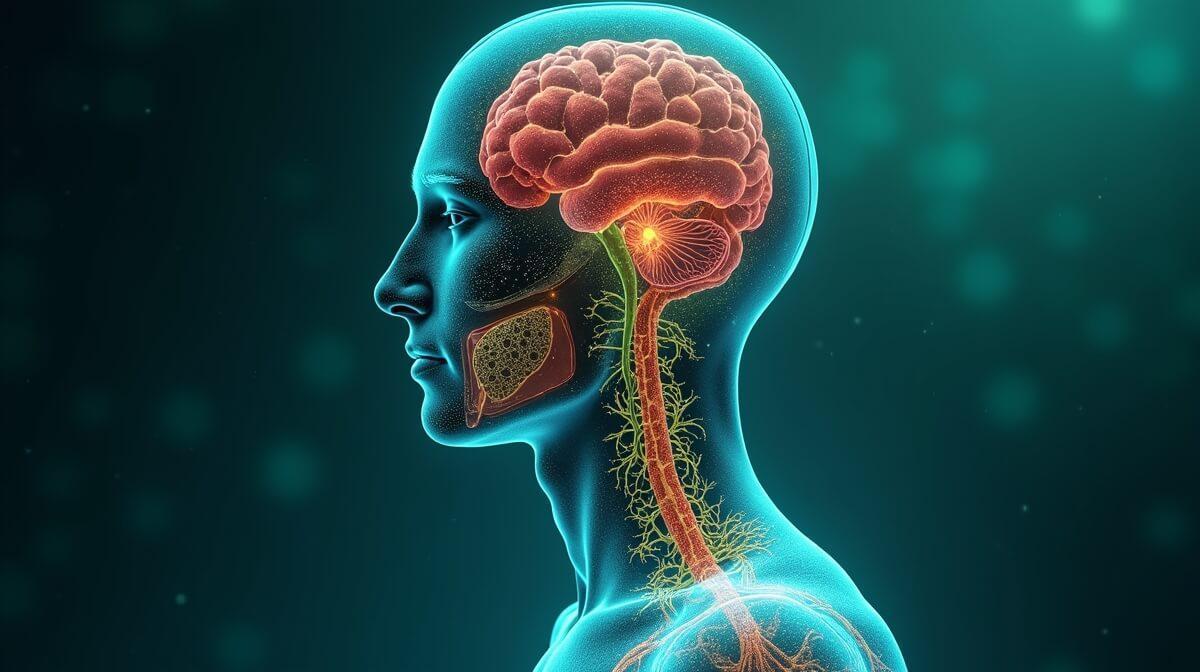
Fungi are normal members of the human microbiome. Problems arise when their growth outpaces the body’s checks and balances. Contributing factors include dietary patterns, medication exposures, immune status, and gut motility.
Detoxification is not a single organ’s job. The liver modifies metabolites, the gallbladder releases bile, the gut eliminates waste, and the kidneys and skin help excrete byproducts. A solid plan respects all of these routes.
What causes fungal overgrowth in the body?
High intake of refined sugars, white flour, and alcohol can tip the ecology in favor of yeast. Yeasts thrive on readily fermentable carbohydrates, and frequent snacking can keep blood sugar elevated—providing a steady fuel source for overgrowth.
Antibiotics disrupt bacterial populations that naturally compete with fungi, sometimes allowing yeasts to overgrow. Steroid medications and acid-suppressing drugs can also change the gut environment in ways that reduce resilience against opportunistic organisms.
Immune suppression—whether from illnesses, medications, or nutrient deficiencies—can lower the body’s capacity to regulate microbes. Low stomach acid, sluggish bile flow, and constipation further create conditions where fungi can persist.
Environmental exposures matter. Damp living spaces and moldy buildings can contribute to symptoms for sensitive individuals. While this is distinct from gut Candida, the total burden on the body’s detox systems can feel similar.
Stress and sleep deprivation alter cortisol, slow gut motility, and increase cravings for fast energy. Over time, these patterns reinforce dysbiosis. Addressing lifestyle drivers is often the difference between short-term relief and lasting results.
In practice, fungal overgrowth is rarely caused by one factor. It’s usually a stack: a sugary diet, a recent antibiotic, a stressful month, and constipation. Solving it requires removing the stack—not just one block.
How does fungal overgrowth affect your health?
Locally, overgrowth in the gut can produce gas and bloating, alter stool patterns, and aggravate reflux. Yeast metabolites may irritate the lining, increasing intestinal permeability and amplifying food reactions in susceptible people.
Systemically, some individuals report brain fog, headaches, and energy crashes after high-sugar meals or alcohol. While not unique to fungal issues, these patterns can improve with dietary modification and targeted therapy.
On the skin, fungal involvement may present as dandruff, tinea infections, or recurring rashes in moist areas. Nails can thicken or discolor with onychomycosis, often requiring prolonged topical or oral therapy in addition to lifestyle changes.
Reproductive health can be affected. Vaginal yeast infections may recur after antibiotics or hormonal shifts. Addressing diet, glycemic control, and probiotics can reduce frequency, though persistent cases merit evaluation for diabetes or other underlying conditions.
Sinus issues, including congestion or post-nasal drip, sometimes relate to fungal biofilms. Saline rinses, humidification, and medical therapy can help. Severe or chronic cases should be assessed by an ENT specialist for precise diagnosis and care.
It’s important to avoid over-attribution. Because symptoms are non-specific, a thorough differential diagnosis prevents missteps. Lab testing, when used, should be targeted and clinically meaningful, not excessive.
Are fungal detoxes supported by scientific research?
There is substantial research supporting specific antifungal medications, select botanicals, probiotics, and dietary changes in reducing fungal load or improving related symptoms. However, few randomized trials evaluate comprehensive, branded “detox programs” as complete packages.
Evidence is strongest when components are considered individually: for instance, oral azoles for candidiasis, probiotic strains for vaginal health, or low-sugar diets to support glycemic control. Translating this into a cohesive plan relies on clinical reasoning rather than a one-size-fits-all kit.
Emerging data explores biofilms, gut barrier function, and metabolomics. While promising, many claims outpace the research. Responsible protocols emphasize safety, symptom tracking, and personalization instead of miracle narratives.
“In integrative care, we anchor fungal protocols to what is evidence-informed today—diet, select antifungals, probiotics, and liver–gut support—while avoiding claims that exceed the data.”
– Internal Medicine and Integrative Nutrition Clinician
In short, elements of a Fungal Detox are scientifically plausible and sometimes well-supported. The term “detox,” however, is broad. Success often depends less on the label and more on the quality of the plan and the match to your individual context.
Popular Fungal Detox Methods: Diets, Supplements & Protocols
Many people start with dietary changes, then layer in targeted supplements. Others require pharmaceuticals for diagnosed infections. The best path depends on symptom severity, history, and professional guidance.
Below, we compare common diet patterns, discuss supplements and mechanisms, and outline how natural and pharmaceutical approaches can be strategically combined when medically appropriate.
What are the most common fungal detox diets?
The most referenced approach is the “candida diet,” a lower-sugar, lower-refined-carb plan emphasizing vegetables, lean proteins, healthy fats, and fermented foods (as tolerated). The goal is stabilizing blood sugar while limiting fermentable fuel for yeasts.
Some combine antifungal principles with low-FODMAP strategies short-term if gas, bloating, and IBS-like symptoms are intense. This helps reduce fermentable fibers that feed both bacteria and yeast, though long-term strictness is usually unnecessary.
Gluten and dairy are occasionally removed in elimination trials, especially if skin flares or sinus issues correlate. Reintroduction helps determine individual tolerance, preventing overly restrictive habits that can harm nutrition and enjoyment.
An anti-inflammatory baseline benefits most people: colorful plants, omega-3 fats, adequate protein, herbs, and spices like garlic and ginger. Hydration and electrolytes support regularity—key for moving waste out efficiently.
If alcohol or sweets trigger flares, a four- to eight-week break can clarify how much they contribute. Many report fewer cravings and better energy once blood sugar swings are minimized.
| Diet Pattern | Primary Focus | Potential Benefit | Considerations |
|---|---|---|---|
| Candida-style diet | Lower sugar/refined carbs | Reduces fuel for yeast | Watch total calories and fiber intake |
| Low-FODMAP (short term) | Reduce fermentable fibers | May ease gas/bloating | Short-term, reintroduce to protect microbiome |
| Anti-inflammatory | Colorful plants, omega-3s | Supports immune balance | Ensure adequate protein and iron |
| Elimination/reintroduction | Identify food triggers | Precision personalization | Use time-limited trials with reintro |
Balanced meals with 25–35 grams of protein, non-starchy vegetables, and healthy fats promote satiety and steady energy. Think salmon with roasted broccoli and olive oil or a tofu stir-fry with bok choy and sesame.
Remember, diet is foundational but not standalone for everyone. If recurrent infections persist despite great nutrition, testing and medical therapy may be necessary.
Which supplements are used for fungal detox and how do they work?
Common antifungal botanicals include oregano oil (carvacrol), thyme (thymol), garlic (allicin), berberine-containing herbs, caprylic acid, and undecylenic acid. These agents can disrupt fungal membranes or metabolism, helping reduce overgrowth when used appropriately.
Probiotics such as Lactobacillus and Bifidobacterium species support mucosal defenses, while Saccharomyces boulardii, a beneficial yeast, can competitively inhibit Candida. A multi-strain approach is often chosen, introduced after or alongside diet changes.
Binders like activated charcoal or chlorella are sometimes used short-term to sequester byproducts in the gut. Fiber (psyllium, partially hydrolyzed guar gum) promotes regularity, a crucial step for moving waste out and minimizing reabsorption.
NAC may support glutathione status and thin mucus/biofilms, while milk thistle or artichoke supports bile flow and liver function. Electrolytes and magnesium help prevent constipation and headaches that can accompany shifts in diet or microbiome.
Typical cycles last four to eight weeks, adjusted to tolerance. Pulsing (e.g., five days on, two off) is sometimes used to limit adaptation. Coordination with a clinician is advised for dosing, interactions, and duration, especially if you take prescription medications.
Quality varies widely. Look for third-party testing, transparent labeling, and clinically relevant doses. Avoid proprietary blends that obscure amounts of active ingredients, and start low, especially if you’re sensitive.
Comparing antifungal protocols: natural vs. pharmaceutical options
Natural agents can be effective for mild to moderate cases or as adjuncts. Pharmaceuticals are often necessary for diagnosed infections like onychomycosis, severe oral or vaginal candidiasis, or systemic involvement. A combined approach is common in clinical practice.
Choice depends on the site of infection, symptom severity, and risk factors. Pharmaceuticals require monitoring for interactions and liver function in some cases, while botanicals require quality sourcing and informed dosing.
| Approach | Examples | Advantages | Considerations |
|---|---|---|---|
| Natural | Oregano oil, undecylenic acid, caprylic acid, berberine, garlic | Gentle entry point, microbiome-friendly strategies | Variability in potency; slower results for severe cases |
| Pharmaceutical | Fluconazole, itraconazole, nystatin, terbinafine | Clear protocols, strong evidence for specific infections | Interactions, monitoring, not suitable for everyone |
| Hybrid | Diet + probiotics + targeted Rx | Addresses multiple drivers simultaneously | Requires coordination with a qualified clinician |
In real life, many people start with diet, probiotics, and gentle botanicals, then escalate if needed. For example, someone with recurring thrush might use nystatin lozenges while adopting a lower-sugar diet and adding S. boulardii.
Medical diagnosis matters. Suspected nail fungus or chronic sinus involvement warrants evaluation and possible culture or imaging. Using a scattershot approach can waste time and money and delay definitive treatment.
Benefits and Risks of Doing a Fungal Detox

Done thoughtfully, a Fungal Detox can be a catalyst for better energy, digestion, and skin health. But any biologically active plan carries risks if done too quickly or without attention to safety basics.
Below we summarize commonly reported benefits, the side effects you should anticipate and mitigate, and the situations where you should avoid or pause a detox.
What health improvements do people report after a fungal detox?
People often report steadier energy, fewer afternoon crashes, and clearer thinking when blood sugar swings settle and gut inflammation calms. Digestive improvements like less bloating, better stool formation, and reduced reflux are common early wins.
On the skin, less flaking, fewer rashes, or better scalp comfort may appear after two to six weeks. Reproductive health can improve as well, with some experiencing fewer yeast infections when diet, hygiene, and targeted therapy align.
Cravings typically ease within 10–14 days once balanced meals and routine snacks stabilize glucose. This can lead to more consistent gym performance and sleep quality, both of which reinforce recovery.
Sinus congestion and post-nasal drip may improve with hydration, saline rinses, and reduced inflammation. Targeted care for the upper airway can be layered onto gut-focused strategies if symptoms persist.
Remember that anecdotes—even positive ones—are not guarantees. Track your own data: symptom frequency, energy ratings, bowel regularity, and, when appropriate, labs like A1c, liver enzymes, and iron studies, coordinated by your clinician.
Set milestones: two weeks for cravings, four weeks for digestion, eight to twelve weeks for skin or recurrent infections. These ranges help calibrate expectations and prevent premature conclusions.
What are the potential side effects and risks involved?
Short-term effects can include headaches, fatigue, irritability, gastrointestinal changes, and skin flares—especially if constipation or dehydration is present. Many of these relate to abrupt dietary shifts or inadequate elimination rather than “die-off” alone.
Medication and supplement interactions are a key risk. Antifungal drugs may interact with statins, anticoagulants, or certain psychiatric medications. Botanicals like berberine can affect blood sugar and CYP enzymes. Professional review is essential.
Liver stress is possible with some pharmaceuticals and concentrated botanicals. Monitoring may be appropriate for longer courses or higher-risk individuals. Symptoms like dark urine, jaundice, or right upper quadrant pain require immediate medical attention.
Over-restriction can backfire, leading to nutrient gaps, weight loss, or disordered eating patterns. If you have a history of eating disorders, pursue alternatives under specialist care rather than restrictive detoxes.
Finally, misattribution is a risk. Not all rashes are fungal. Not all bloating is Candida. Appropriate diagnosis leads to the right plan—and often faster, safer results.
Who should avoid fungal detox programs?
Do not attempt a Fungal Detox without medical supervision if you are pregnant, breastfeeding, immunocompromised, or have significant liver or kidney disease. People with eating disorders should avoid restrictive detoxes and seek specialist care.
If you’re on multiple prescriptions, especially those affecting the liver or interacting with antifungals, coordinate with your healthcare team. Children require pediatric evaluation and age-appropriate protocols—do not use adult kits for kids.
Anyone with severe or rapidly worsening symptoms, unexplained weight loss, fever, chest pain, or neurological changes needs prompt medical assessment to rule out urgent conditions.
Expert Tips for a Safe and Effective Fungal Detox
Successful detoxes prioritize fundamentals before escalation. When elimination is robust, diet is steady, and sleep is adequate, antifungals are better tolerated and more likely to help.
Below are step-by-step strategies clinicians use to improve outcomes and reduce setbacks—rooted in practical physiology rather than hype.
How to prepare your body before starting a fungal detox
Preparation prevents problems. Think of this phase as clearing the exit routes—bowel, urine, and sweat—so your body can handle the increased workload when antifungals begin. This phase often lasts one to two weeks depending on your baseline.
Focus on hydration to produce pale yellow urine, add electrolytes if you exercise or sweat heavily, and ensure daily bowel movements. A gentle magnesium or fiber supplement may help, chosen with professional input.
- Hydrate to at least half your body weight (lbs) in ounces of fluids daily, adjusted for activity.
- Establish daily bowel regularity with fiber, magnesium glycinate, and movement.
- Balance meals: protein (25–35 g), non-starchy veggies, healthy fats, slow carbs as tolerated.
- Remove alcohol and high-sugar foods for 4–8 weeks.
- Sleep 7–9 hours and dim screens 60 minutes before bed.
- Start probiotics or fermented foods as tolerated.
- Review medications/supplements with a clinician for interactions.
- Plan gentle movement: walks, mobility, light strength work.
- Set symptom baselines and choose 3–5 metrics to track.
- Decide on a start date and dosage plan (e.g., titrate every 4–7 days).
These steps create stability. When you add antifungals later, you’ll be better equipped to manage changes. If constipation or insomnia persist, troubleshoot before moving forward.
Remember, preparation is not wasted time. Many people notice improvements from this phase alone, which can reduce the need for heavier-handed interventions.
Best practices to manage detox symptoms and minimize discomfort
Start low and titrate. For instance, begin with one antifungal at a low dose for several days, then add the next. This helps distinguish cause-and-effect if symptoms arise and reduces the chance of abandoning the plan prematurely.
Protect regularity with daily fiber, magnesium, and hydration. If stools slow, pause antifungals and correct elimination before resuming. Some use gentle binders, away from medications, to reduce GI discomfort during transitions.
Support liver and bile flow: consider bitters or artichoke with meals, prioritize protein, and avoid alcohol. Light sweating through brisk walks or gentle sauna (if approved by your clinician) can help, but replace fluids and electrolytes.
Use structured symptom tracking. Rate energy, mood, bloating, and sleep. If scores worsen for more than three days, scale back. Progression should feel sustainable, not punishing.
Buffer stress with breathing exercises, short outdoor time, and consistent bedtimes. Stress chemistry can stall motility and intensify cravings, undermining the plan.
“The best protocols are boringly consistent. Simple meals, daily walks, regular sleep, and steady dosing beat intensity sprints every time.”
– Family Medicine Physician, Lifestyle & Gut Health
Reintroduce foods strategically once symptoms stabilize. Test one variable at a time and watch for patterns over 48–72 hours. This prevents unnecessary long-term restriction while keeping gains intact.
When to seek professional medical advice during a fungal detox
Seek help immediately for red-flag symptoms: high fever, severe abdominal pain, chest pain, persistent vomiting, jaundice, dark urine, or neurological changes. These are not normal detox reactions and require evaluation.
Consult your clinician if symptoms escalate beyond mild and transient discomfort, or if progress stalls after 4–6 weeks. Targeted labs (CBC, CMP, A1c, iron, thyroid panel) can clarify whether another issue is driving symptoms.
Consider testing when infections are recurrent or localized (e.g., nails, sinuses, mouth, vagina). Cultures or imaging may shift the plan toward pharmaceutical therapy or specialist care and save months of trial and error.
If you’re considering a where to buy fungal detox kit decision, pause to verify quality, dosing, and potential interactions with a professional. A tailored plan is typically safer and more effective than a one-size-fits-all kit.
Finally, give yourself enough time. Many see fungal detox results in phases over 8–12 weeks. Rushing can trigger setbacks; steady progress wins.
Frequently Asked Questions About Fungal Detox

What exactly is a fungal detox?
A Fungal Detox is a structured plan to reduce fungal overgrowth—often Candida—while supporting liver, gut, and immune function. It blends diet (lower sugar/refined carbs), targeted antifungals (natural or pharmaceutical, as appropriate), probiotics, and lifestyle steps that promote elimination. The goal is to decrease fungal burden safely, ease symptoms like bloating or brain fog, and rebuild a resilient microbiome, not simply “flush toxins” quickly.
How can I tell if I need a fungal detox?
Common clues include recurrent yeast infections, gas/bloating, sugar cravings, coated tongue, dandruff, fungal rashes, or brain fog that worsens with sweets or alcohol. Risk factors—recent antibiotics, steroid use, high-sugar diets, constipation, poor sleep—strengthen the case. Because these signs overlap other conditions, discuss them with a clinician who can rule out alternatives and guide a safe, personalized plan.
What are the main causes of fungal overgrowth in the body?
Drivers include frequent antibiotics, steroid or acid-suppressing medications, high sugar/refined-carb intake, alcohol, stress, sleep loss, constipation, and low stomach acid. Immune suppression and environmental mold exposure can also contribute. Usually, it’s a stack of factors—diet, drugs, and lifestyle—rather than a single cause. Addressing the stack produces the most reliable improvements.
Are fungal detox diets and supplements scientifically proven to work?
Evidence supports select components—pharmaceutical antifungals for diagnosed infections, probiotics for vaginal and gut health, and lower-sugar diets for glycemic control. Fewer trials test complete “detox kits” as a package. Effective plans usually combine evidence-informed elements and are matched to the individual’s history, rather than relying on one product to do everything.
What foods should I eat or avoid during a fungal detox?
Emphasize protein, non-starchy vegetables, healthy fats, and modest portions of slow carbs like quinoa or sweet potato as tolerated. Minimize alcohol, added sugars, sweetened drinks, and refined flour products. Some trial short-term low-FODMAP for severe bloating, then reintroduce to protect the microbiome. Personalize with reintroduction to avoid unnecessary long-term restriction.
What symptoms might I experience during a fungal detox?
Short-term effects can include headaches, fatigue, irritability, constipation or loose stools, skin flares, or sleep disruption—often tied to hydration, electrolytes, and bowel regularity. Manage symptoms by slowing dose increases, prioritizing fluids and fiber, and pausing if reactions persist. Severe or lasting symptoms are a reason to seek medical guidance rather than push through.
Are there any risks or dangers linked to detoxing from fungus?
Yes. Interactions with medications, potential liver stress from certain agents, and over-restrictive diets are real risks. People with chronic disease, pregnancy, or immunosuppression should not self-direct detoxes. Any red-flag symptoms—fever, jaundice, severe pain—require prompt medical care. A safety-first, personalized approach reduces risk substantially.
How long does a typical fungal detox take to show results?
Many notice fewer cravings in 10–14 days, digestive improvements within 2–4 weeks, and skin or infection changes over 8–12 weeks. Complex cases may take longer, especially if multiple drivers (stress, medications, mold exposure) are involved. Track simple metrics so you can see progress even when it’s gradual.
Can a fungal detox help with conditions like candida or yeast infections?
Diet and probiotics can support overall resilience, but diagnosed infections (oral thrush, vaginal candidiasis, onychomycosis) often require targeted therapy, sometimes pharmaceuticals. A comprehensive plan—nutrition, hygiene, appropriate antifungals, and sleep—tends to yield better results than any single measure. Work with your clinician, especially for recurrent or severe infections.
Should I do a fungal detox on my own or under medical supervision?
Mild, diet-focused changes are reasonable to start on your own. If you have chronic conditions, take multiple medications, or plan to use potent antifungals, get medical supervision. Professional input helps select safe doses, anticipate interactions, and decide when labs or prescriptions are appropriate.
Are natural remedies as effective as pharmaceutical antifungals?
For mild cases or general dysbiosis, natural agents can be helpful, especially combined with diet and probiotics. For diagnosed, localized, or severe infections, pharmaceuticals often work faster and more reliably. The most effective path is individualized—sometimes natural first, sometimes medications, and often a hybrid under professional guidance.
Who should not attempt a fungal detox?
Avoid self-directed detoxes if you are pregnant, breastfeeding, severely ill, immunocompromised, or have significant liver/kidney disease. People with eating disorders should avoid restrictive plans and seek specialist care. Children require pediatric evaluation. If you’re unsure, get medical advice before starting.
Conclusion
A thoughtful Fungal Detox is less about a kit and more about a strategy: stabilize diet, support elimination, introduce targeted antifungals carefully, and rebuild the microbiome. When personalized and paced, many people see improvements in digestion, energy, and skin while minimizing setbacks.
Your safest route pairs fundamentals—hydration, protein, fiber, sleep, and stress care—with professional guidance when medications or complex histories are involved. Track your data, adjust as needed, and give the plan time. Steady, evidence-informed steps outperform quick fixes every time.
In summary
- Start with preparation: hydration, bowel regularity, and balanced meals.
- Use targeted antifungals and probiotics thoughtfully, not all at once.
- Monitor side effects and seek care for red-flag symptoms.
- Expect improvements over weeks, not days—progress in phases.
- Personalization and safety drive sustainable results.
Found this helpful? Share your experience in the comments and pass this guide along to someone exploring safe, natural strategies for fungal-related symptoms.
Important Health Notice and Disclaimer: This content is educational and not a substitute for personalized medical advice, diagnosis, or treatment. Always consult a qualified healthcare professional before starting any Fungal Detox, supplements, or medications—especially if you are pregnant, breastfeeding, immunocompromised, managing chronic disease, or taking prescriptions. If you experience severe or persistent symptoms (fever, jaundice, chest pain, neurological changes), seek urgent medical care.






Add comment