
 Dr. Lauren Hayes
Last updated: December 6, 2025
If you’re a man in the U.S. trying to perform at your best—in the gym, at work, or in the bedroom—you’ve likely heard whispers about blood flow, pre-workout pumps, and the body’s signaling molecule nitric oxide. When erections feel unreliable or stamina drops, it’s natural to worry. The good news: improving nitric oxide and male performance safely is a practical, stepwise process rooted in cardiovascular health.
This guide cuts through hype with doctor-aligned strategies and real numbers you can use. You’ll learn how nitric oxide (NO) opens blood vessels, how circulation supports erections and recovery, which foods and routines move the needle, and how to combine supplements with medications thoughtfully. If you’ve felt confused by conflicting advice—or skeptical of marketing claims—you’ll find clear, actionable answers here.
Key takeaways
- Nitric oxide drives blood flow by relaxing blood vessels, directly influencing erections, stamina, and recovery.
- Lifestyle levers work: nitrate-rich foods, targeted exercise, breath, sleep, and stress control measurably raise NO.
- Smart supplementation (e.g., L-citrulline, beetroot) complements—but doesn’t replace—prescription options when needed.
- Safety matters: avoid dangerous combos with nitrates or certain BP meds; always consult your clinician.
Use this article as your step-by-step roadmap. By the end, you’ll know exactly what to do this week and how to track progress without guesswork.
How Blood Flow and Nitric Oxide Drive Male Performance
Before we dive into tactics, it helps to understand why blood flow sits at the center of male performance. Your vascular system is the delivery network for oxygen, glucose, and hormones—and the waste removal service for byproducts of metabolism. When vessels dilate efficiently, you feel energized, recover faster, and maintain strong erections.
Nitric oxide (NO) is the molecule that tells blood vessels to relax at the right time and place. Producing and preserving enough NO—especially in the endothelium lining your arteries—can transform how you feel during workouts, under stress, and during sexual activity.
What is nitric oxide and how does it regulate blood vessels?
Nitric oxide is a short-lived gas your body makes on demand. Endothelial cells release NO, which diffuses into smooth muscle around blood vessels and triggers a cascade: the enzyme guanylate cyclase activates, raising cGMP levels, relaxing the vessel wall, and increasing blood flow. More flow means better delivery of oxygen and nutrients where they’re needed most.
Think of NO like a traffic cop at a busy intersection: it signals when to open the lanes so red blood cells can move freely. Without enough NO, the “traffic” jams—pressure rises, tissues get less oxygen, and performance suffers. This is why strategies that boost circulation often improve both athletic pumps and erectile reliability.
Dietary nitrates (from beets/greens), amino acids (L-arginine and L-citrulline), and endothelial-friendly habits all contribute to healthier NO signaling. Some men also explore targeted supplements like ProstAfense that emphasize supporting nitric oxide and vascular blood flow—a mechanism relevant to both sexual and athletic performance.
How blood flow supports erectile function, energy, and recovery
For an erection to occur, arteries must rapidly dilate to fill the corpora cavernosa while venous outflow is restricted. This hydraulics problem is solved by robust NO signaling and responsive blood vessels. When circulation falters, it often shows up first as inconsistent firmness, shorter duration, or delayed recovery between sessions.
In the gym, better blood flow translates into the “pump,” improved oxygen delivery during intervals, and more efficient removal of lactate and metabolic byproducts. Practically, men notice steadier energy across sets, faster between-set recovery, and less next-day soreness. Over weeks, that can translate into stronger lifts and improved VO2-type work.
Day to day, healthy microcirculation supports brain clarity and cardiovascular resilience under stress. If you’ve been dragging in the afternoon or feel winded climbing stairs, raising NO via diet and routine can make an unexpectedly big difference.
The nitric oxide pathway: NOS enzymes, L-arginine, and oxygen
Your body makes NO through the nitric oxide synthase (NOS) enzymes—eNOS in blood vessels, nNOS in nerves, and iNOS in immune cells. eNOS converts L-arginine into NO in the presence of oxygen and cofactors like tetrahydrobiopterin (BH4). If oxygen is low or oxidative stress is high, NO production stalls and may yield harmful byproducts instead.
There’s also a back-up route: the nitrate–nitrite–NO pathway. Nitrates from foods like beets and arugula are converted to nitrite by oral bacteria, then to NO in your stomach and tissues, especially under low-oxygen conditions (like during exercise). This pathway explains why mouthwash overuse can blunt benefits from nitrate-rich foods and why diet matters alongside training.
Because L-arginine is consumed in many metabolic processes, taking L-citrulline often raises arginine and NO more reliably; citrulline bypasses the liver and converts to arginine in the kidneys. In practice, this can mean better pumps and more consistent erectile support for many men.
The Science: Blood Flow, Nitric Oxide, and Erectile Function
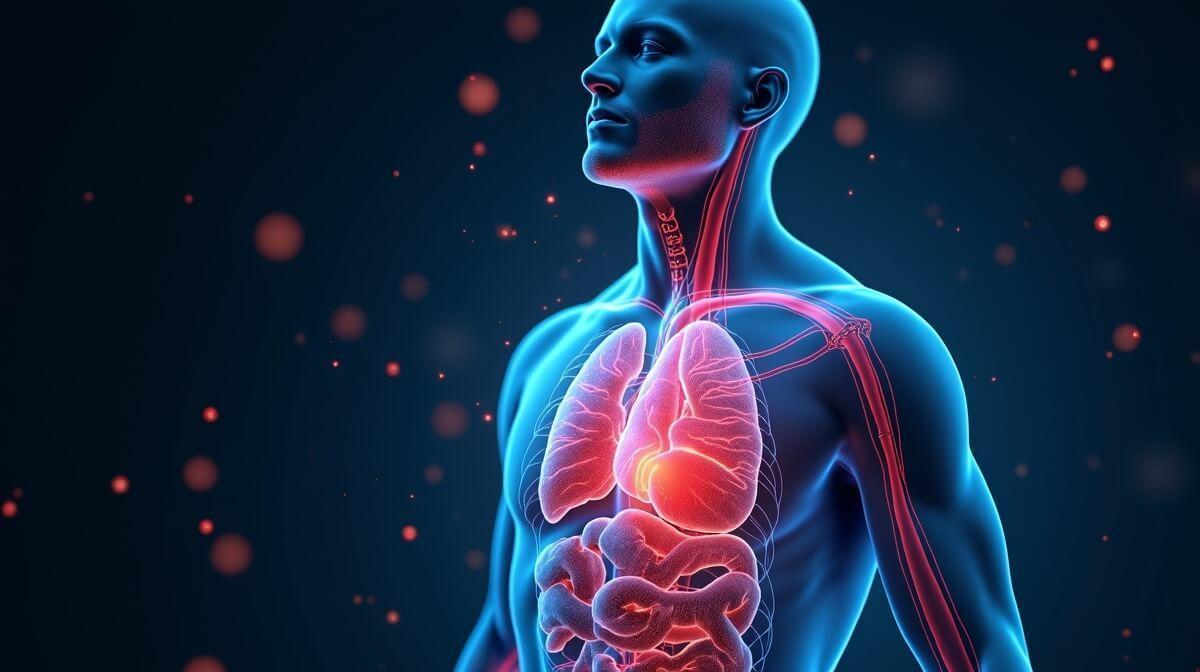
Erectile function is a sensitive barometer of vascular health. The same endothelial dysfunction that precedes heart disease can show up as erection issues years earlier. Understanding the mechanisms lets you choose interventions with precision.
Here we break down root causes, how erections are initiated and maintained, and why age or conditions like diabetes and hypertension make NO harder to produce.
What causes erectile dysfunction linked to poor circulation?
Poor circulation stems from endothelial dysfunction, plaque formation, arterial stiffness, and impaired NO signaling. Smoking, high blood pressure, insulin resistance, and sedentary habits accelerate this decline. Even in younger men, sleep deprivation or high stress can reduce NO and raise sympathetic tone, making erections harder to initiate and sustain.
Men often notice warm-up issues—needing more stimulation, losing firmness with position changes, or struggling to maintain during condom use. These are classic signs of vascular contribution. Performance anxiety can be involved too, but when morning erections fade and endurance drops at the same time, circulation is a likely culprit.
Importantly, ED and cardiovascular risk are linked. For some, investigating ED uncovers untreated hypertension, dyslipidemia, or prediabetes—conditions that, once addressed, often improve sexual performance alongside heart health.
Nitric oxide, cGMP, and how erections are maintained
Sexual arousal triggers nerve signals that release NO in penile tissue. NO activates guanylate cyclase, increasing cGMP, which relaxes smooth muscle and allows blood inflow. As the penis engorges, venous outflow is compressed, maintaining rigidity. The enzyme PDE5 breaks down cGMP; too much PDE5 activity or insufficient NO can collapse the erection early.
PDE5 inhibitors, like Viagra (sildenafil) and Cialis (tadalafil), slow cGMP breakdown, but they still rely on adequate NO to start the process. That’s why men with severe endothelial dysfunction sometimes respond less to these medications until circulation and NO status improve.
Practical takeaway: support NO production through lifestyle and diet, consider targeted supplementation, and work with a clinician on PDE5 use if needed—synergy often outperforms any single strategy.
How age, diabetes, and hypertension impair nitric oxide
Aging increases oxidative stress and arterial stiffness, reducing eNOS efficiency. Diabetes glycosylates proteins and damages endothelium; high blood sugar also consumes NO via reactive oxygen species, leading to less vasodilation when you need it. Hypertension damages vessel lining and keeps arteries chronically constricted, which downregulates NO responses over time.
Medications, while lifesaving, can also influence sexual function. Some antihypertensives, SSRIs, and finasteride may contribute to ED or alter arousal. Never stop a prescribed drug without medical advice; instead, optimize NO and circulation around your regimen, and ask your clinician about alternatives if side effects persist.
Metrics like blood pressure, A1c, fasting glucose, and lipid panels help quantify vascular risk. Improvements in these numbers often correlate with stronger erections and better endurance.
Lifestyle Levers to Improve Blood Flow and Nitric Oxide
Lifestyle is the foundation for sustainable, medication-compatible improvements. You can raise NO and circulation daily with targeted foods, training, breath practices, heat exposure, and sleep hygiene. Small wins add up quickly—many men notice better morning erections and pumps within 2–4 weeks.
Start with the pillars below and track simple markers (energy, recovery time, morning wood, resting heart rate) to see progress objectively.
Best foods to increase nitric oxide naturally in men
Dietary nitrates power the nitrate–nitrite–NO pathway. Top sources include beets, arugula, spinach, Swiss chard, celery, and romaine lettuce. Aim for one nitrate-rich serving daily—like a beet smoothie, roasted beets, or a big arugula salad. Many men notice a stronger pump and slightly lower blood pressure on days they eat these foods.
Polyphenol-rich foods (pomegranates, berries, cocoa, extra-virgin olive oil) protect NO from oxidative breakdown. Citrulline-containing foods (watermelon, cucumber) can support arginine availability. Combine these with healthy fats and lean proteins to stabilize blood sugar, as glucose spikes can transiently impair endothelial function.
Real-world example: a 42-year-old with inconsistent morning erections adds 8 oz beet juice 90 minutes pre-workout and a dinner salad with arugula and EVOO. Within two weeks, he reports better pumps and firmer nighttime erections, and his home BP drops from 134/86 to 128/82.
Hydration matters, too. Adequate plasma volume supports blood flow; aim for pale-yellow urine and add electrolytes if you sweat heavily. Alcohol in moderation (or not at all) helps preserve endothelial function—more on that below.
L-arginine vs L-citrulline vs beetroot: which works better?
These approaches raise NO through different mechanisms. L-arginine provides the substrate for eNOS. L-citrulline converts to arginine and may raise arginine levels more consistently due to better absorption and bypassing first-pass metabolism. Beetroot provides nitrates for the alternative pathway that does not depend on oxygen in the same way.
Effectiveness depends on your physiology and goals. Athletes may favor citrulline for workout pumps; men with blood-pressure goals might prefer beetroot for steady daytime support. Some combine citrulline and beetroot for complementary effects.
| Approach | Primary Mechanism | Evidence for Performance/ED | Typical Dose | Timing | Tolerability | Key Considerations |
|---|---|---|---|---|---|---|
| L-Arginine | Substrate for eNOS to produce NO | Mixed for ED; modest benefits in some; GI issues limit dose | 3–6 g/day in divided doses | Empty stomach; pre-activity | May cause GI upset, bloating | Less reliable than citrulline for raising arginine |
| L-Citrulline | Converts to arginine in kidneys | Stronger pump; small trials suggest ED support | 3–6 g/day (often as malate 2:1) | 60–90 min pre-workout; split AM/PM | Generally well tolerated | Pairs well with lifestyle changes |
| Beetroot/Nitrates | Nitrate–nitrite–NO pathway | Supports BP, endurance; helps NO under low oxygen | 250–500 mg nitrate (~8–16 oz juice) | 2–3 h pre-activity or with meals | Can color urine/stool red (benign) | Avoid with strong mouthwash around meals |
In practice, many men start with L-citrulline 3 g twice daily and add 250–400 mg dietary nitrates most days. If GI sensitivity or blood-pressure meds are in play, adjust with your clinician. Track morning erections and workout quality over 2–4 weeks.
Some targeted formulations focus on NO and vascular support using combinations of these ingredients and supportive antioxidants. If you’re comparing options, look for transparent dosing, third-party testing, and a mechanism that aligns with your goals.
Exercise, breathing, and sauna: practical routines that help
Two to four sessions per week of zone 2 cardio (conversational pace) plus two to three resistance workouts is a strong baseline for endothelial function. Add brief high-intensity intervals (e.g., 4 x 1 minute at RPE 8 with 2-minute easy recovery) once or twice weekly to stimulate NO and vascular adaptability.
Nasal breathing during easy cardio encourages NO release in the airways and improves oxygen uptake. Try 10–15 minutes of nasal-only warm-up before strength work. Finish with a 5-minute cooldown to return sympathetic tone to baseline.
Sauna can increase blood flow and mimic some cardiovascular benefits of exercise. Typical protocols use 10–20 minutes at 170–185°F, 2–4 times per week, with careful hydration. Men often report sleep improvements on sauna days, which compounds benefits for NO production.
For a time-efficient routine: 30 minutes zone 2 on Monday/Thursday, full-body strength on Tuesday/Friday, and sauna on Wednesday/Sunday. Layer in 5 minutes of slow breathing (4-second inhale, 6-second exhale) at night to improve vagal tone.
Sleep, stress, and alcohol: habits that hurt or help circulation
Seven to nine hours of high-quality sleep supports testosterone, growth hormone release, and endothelial repair. Sleep apnea disrupts oxygenation and raises blood pressure, reducing NO. If you snore, wake unrefreshed, or have resistant hypertension, talk to your doctor about screening.
Chronic stress elevates catecholamines and cortisol, reducing sexual arousal and vasodilation. Short daily breathwork, morning light exposure, and a consistent wind-down routine shift your nervous system toward parasympathetic dominance—more conducive to erections and recovery.
Alcohol is dose-dependent. One drink or less may be neutral for some men; more can acutely reduce erectile function and fragment sleep. Aim for alcohol-free weeknights while rebuilding NO, and reintroduce cautiously once markers improve.
“Erectile function is a window into vascular health. Improve endothelial function with sleep, nutrition, and movement, and sexual performance often follows.”
– Board-certified cardiologist
Finally, be mindful of smoking and vaping—both damage endothelium and blunt NO signaling. If you use nicotine, seek support to taper; the payoff in performance, energy, and erectile quality is substantial within weeks to months.
Supplements, Medications, and Safety for Male Performance

Supplements and medications can be powerful allies when chosen wisely. The goal is synergy: combine lifestyle with evidence-based products and medical guidance tailored to your health status. Safety comes first—especially if you have cardiovascular conditions or take prescription drugs.
Below, you’ll find how NO boosters and PDE5 inhibitors work, timelines for results, and critical interaction warnings.
Do nitric oxide boosters work, and how long to see results?
Yes—when appropriately dosed and paired with lifestyle, many men observe tangible benefits. L-citrulline and beetroot are the most consistent for pumps, perceived exertion, and modest blood-pressure reductions. Some men report improved erectile quality in 2–4 weeks, especially when sleep and training are aligned.
Timelines vary: a 35-year-old lifter may feel bigger pumps within days; a 58-year-old with hypertension may notice gradual improvements over 4–8 weeks. Track morning erections, energy on climbs/stairs, and resting BP to see if you’re responding. If you plateau, reassess sleep, stress, and dosing.
You may also consider targeted formulations that emphasize NO and circulation. If comparing options, prioritize clinically meaningful doses, quality certifications, and a clear mechanism. For example, read our ProstAfense review for insights on products focused on boosting nitric oxide and improving blood flow.
PDE5 inhibitors (Viagra/Cialis): mechanism, timing, and tips
PDE5 inhibitors prevent the breakdown of cGMP, maintaining vasodilation in penile tissue during arousal. Sildenafil (Viagra) acts quickly (30–60 minutes), with a shorter window (4–6 hours). Tadalafil (Cialis) has a slower onset (1–2 hours) but lasts up to 36 hours, supporting spontaneity.
Practical tips: take on an empty stomach for faster onset; avoid heavy fatty meals beforehand. Sexual stimulation is still required; these are not aphrodisiacs. Start with clinician-guided dosing and adjust to effect while monitoring side effects (headache, flushing, nasal congestion, back pain with tadalafil for some).
Remember, if endothelial function is very impaired, response can be muted. Optimizing NO via diet, exercise, sleep, and stress often makes these medications work better.
Interactions and side effects: nitrates, BP meds, and pre-workouts
Never combine PDE5 inhibitors with prescription nitrates (e.g., nitroglycerin, isosorbide). The drop in blood pressure can be dangerous. Use caution if you take alpha-blockers or certain antihypertensives—doses and timing may need adjustment under medical supervision.
Pre-workouts that stack multiple vasodilators, stimulants, and yohimbine can cause palpitations, anxiety, or BP swings. If you use PDE5s or have heart risk factors, choose simpler formulas and avoid stacking with alcohol. Start low, monitor how you feel, and discontinue anything that causes chest pain, dizziness, or severe headache.
Common supplement side effects include GI upset with arginine, beeturia (harmless red urine) with beetroot, and flushing with niacin. If side effects persist, scale back the dose or switch forms. When in doubt, discuss with your pharmacist or physician.
Are “testosterone boosters” needed if blood flow improves?
Not necessarily. Many men attribute performance dips to low testosterone when circulation and sleep are the real culprits. Improving NO, training, protein intake, and sleep hygiene often lifts energy, libido, and erectile quality without hormones.
If symptoms persist, lab-test rather than guess. Morning total and free testosterone, SHBG, LH/FSH, prolactin, thyroid panel, and estradiol help clarify the picture. If hypogonadism is confirmed, work with a clinician on evidence-based therapy. Avoid proprietary “boosters” with underdosed or unproven blends.
Bottom line: fix the foundation first. If testosterone is still low, treat medically with monitoring. Most men are surprised by how far circulation and sleep optimization can take them.
“I tell patients: build the base. Diet and movement raise nitric oxide; better sleep stabilizes hormones. Then, if needed, layer medications or targeted supplements on top.”
– Urologist, men’s health specialist
As your base improves, you’ll likely notice fewer peaks and troughs in energy and arousal—and more predictable results when you do use medications or targeted products.
Tracking Progress: Signs Your Blood Flow and NO Are Improving
What gets measured gets managed. Tracking a few simple metrics keeps you honest about what’s working and guides adjustments. Expect incremental gains, not overnight miracles, and celebrate steady wins week to week.
When you can see improvements in morning erections, resting heart rate, and workout recovery, motivation stays high and guesswork drops.
Practical markers: morning erections, stamina, and recovery
Morning erections returning 4–6 days per week is a hallmark of improved vascular tone and hormonal rhythm. During workouts, note whether your pump shows up by set two or three and persists until the end. Between-set recovery should feel faster, with less gasping on stairs the next day.
Other markers include resting heart rate trending down (e.g., from 72 to 64 bpm over two months), grip strength rising, and perceived exertion dropping at the same pace. In the bedroom, track time to erection, firmness (0–10 scale), and sustainability through position changes.
Use a simple weekly scorecard: mornings with erections, average BP, lowest RHR, training volume, and a 1–10 energy/mood rating. If your numbers stall, review sleep debt, stress spikes, and nutrition adherence.
Consistency beats intensity. Three good weeks often outperform a single heroic week. Build routines you can sustain on busy days.
At-home and lab tests for vascular and nitric oxide status
Home blood pressure monitoring (AM and PM) provides invaluable feedback; aim for consistent readings below 120/80 mmHg if safe and realistic for you. A pulse oximeter during sleep can hint at breathing issues; if readings dip or you snore heavily, discuss sleep apnea evaluation.
Useful labs: fasting glucose, A1c, fasting insulin (HOMA-IR), lipid panel (LDL-C, HDL-C, triglycerides), hs-CRP, and kidney and liver function. For hormones, check morning total/free testosterone, SHBG, and prolactin. Some clinics offer endothelial function tests (like flow-mediated dilation) or arterial stiffness measures (PWV) for deeper insights.
There’s no widely used blood test for NO in routine practice, so rely on clinical markers and performance indicators. If you’re a data enthusiast, consider periodic supervised stress tests or VO2 metrics, especially if you’re older or have cardiovascular risk.
When to see a doctor for ED or circulation symptoms
See your clinician promptly if erections have declined for three months, if you have chest pain, shortness of breath, or leg pain with walking, or if your blood pressure is consistently high. New-onset ED after age 40 warrants a cardiovascular risk assessment. If you take heart or BP medications, never add PDE5 inhibitors or potent NO boosters without medical guidance.
Emergency care is needed for chest pain, signs of stroke, or erections lasting over 4 hours (priapism). Don’t be embarrassed—ED is common and often treatable. Early evaluation can uncover conditions you can improve with lifestyle and, if needed, medications.
With the right plan, most men regain confidence and consistency within weeks to months. Your clinician can help tailor safety steps to your history.
Action Plan: Step-by-step to boost blood flow and performance

Here’s a practical program you can start today. It’s designed for busy men and flexible across ages and fitness levels. Adjust volumes based on recovery and baseline fitness, and track weekly markers to personalize over time.
By week four, most men notice stronger morning erections, better pumps, and steadier energy.
A 4-week protocol combining diet, training, and sleep
Week 1 sets your foundation. Add one nitrate-rich meal daily, 2–3 zone 2 sessions of 30 minutes, and two strength days. Get 7–9 hours of sleep with a wind-down routine. Replace mouthwash with gentle brushing around nitrate meals. Hydrate to pale-yellow urine.
Week 2 builds. Add 1–2 short HIIT intervals twice per week after a 15-minute warm-up. Introduce L-citrulline 3 g pre-workout and 3 g later in the day, or start with 8–12 oz beet juice 2–3 hours pre-workout. Keep alcohol to weekends or skip entirely. Log morning erections in your scorecard.
Week 3 refines. Adjust doses based on tolerance; if BP drops or you feel lightheaded, reduce and speak with your clinician. Add 1–2 sauna sessions if available. Aim to nasal-breathe during warm-ups and easy cardio. Test a heavier strength day and note pump and recovery.
Week 4 evaluates. Compare average BP, RHR, and erection scores to baseline. If improving, continue; if plateaued, tighten sleep hygiene, reassess stress, and consider layering complementary dietary nitrates or timing tweaks.
- Daily: one nitrate-rich meal (arugula/beets/spinach), protein at each meal, and colorful produce.
- Training: 2–3x zone 2, 2x strength, 1–2x short intervals; nasal breathing in warm-ups.
- Sleep: 7–9 hours, consistent wake time, low light, cool room, 4-6 breath pattern nightly.
- Supplements: start with citrulline or beetroot; log responses and adjust after 2 weeks.
- Hydration: target pale-yellow urine; add electrolytes on heavy sweat days.
- Stress: 5–10 minutes of breathwork or a walk after meals to reduce glucose spikes.
- Safety: review meds with your clinician before adding PDE5s or stacking stimulants.
Use a calendar to track adherence. A simple “X” on days you hit diet, training, and sleep targets is surprisingly motivating.
If you’re evaluating products that target NO and circulation, look for transparent labels, clinically relevant doses, and third-party testing. Mechanisms that emphasize boosting nitric oxide and enhancing blood flow are most relevant to both sexual and athletic performance.
How to personalize for age, weight, and health conditions
Age 25–40 and active: focus on citrulline pre-workout, nitrate-rich salads, and sleep consistency. You’ll likely feel faster pumps and recovery in 1–2 weeks. Add sauna for extra benefits if recovery stalls.
Age 40–65 with BP or glucose issues: prioritize beetroot, daily walks after meals, and zone 2 volume. Discuss medications and supplement timing with your clinician. Expect steady improvements over 4–8 weeks as endothelial function rebounds.
Overweight or deconditioned: start with walking and light resistance bands. Smokers or vapers should seek cessation support. Replace refined carbs with protein and fiber to stabilize glucose and protect NO.
On medications: coordinate with your healthcare team. Avoid dangerous combinations (PDE5s plus nitrates). If alpha-blockers or multiple BP meds are involved, add vasodilators gradually with monitoring.
In all cases, keep the weekly scorecard. Personalization emerges from your data—let it guide dose, timing, and training intensity.
Common mistakes that blunt nitric oxide gains
Overusing antibacterial mouthwash around nitrate-rich meals is a top mistake. So is stacking vasodilators and stimulants, which can cause side effects that derail consistency. Skipping sleep and chasing supplements to compensate rarely works.
Other pitfalls: inconsistent training volume, heavy weekend drinking, and ignoring hydration. Many men also under-eat protein, slowing recovery and blunting performance gains that reinforce adherence.
Finally, avoid “dose chasing.” Start with proven baselines, track for two weeks, then adjust. If your numbers stagnate, look first at sleep and stress before adding new compounds.
Some find it helpful to review an independent analysis before choosing a formulation that targets NO and circulation. Products built around improving blood flow through enhanced nitric oxide signaling can be valuable when layered onto solid habits, as discussed in our earlier note on targeted reviews.
Frequently Asked Questions About Nitric Oxide, Blood Flow, and Male Performance
How long does it take to improve nitric oxide and erectile function naturally?
Most men notice early wins—better pumps and more frequent morning erections—within 2–4 weeks when they combine nitrate-rich foods, consistent cardio, strength training, and adequate sleep. If you’re adding L-citrulline or beetroot, effects can show up within days, but the bigger changes accrue over 4–8 weeks as endothelial function improves. Timelines vary based on age, baseline health, and medication use. Track morning erections, resting heart rate, and blood pressure to see steady progress.
Which is better for nitric oxide and erections: L-arginine or L-citrulline?
L-citrulline typically raises arginine and nitric oxide more reliably than L-arginine because it bypasses first-pass metabolism and converts to arginine in the kidneys. Many men find 3–6 g/day of citrulline (often as citrulline malate) supports pumps and erectile quality better than arginine. Some men respond to a combination of citrulline plus dietary nitrates (beetroot) for complementary pathways. Start modest and adjust based on tolerance and results.
How much beetroot juice or nitrate-rich foods should I consume daily?
For most healthy adults, 250–500 mg of nitrate per day is a practical target, which corresponds to roughly 8–16 oz of beetroot juice or a large serving of leafy greens like arugula or spinach. Many men do well with 8–12 oz of beet juice 2–3 hours pre-workout and a nitrate-rich salad with dinner. If you’re on blood pressure medications, coordinate with your clinician and monitor BP as you adjust intake.
Can nitric oxide supplements replace Viagra or Cialis?
No. Nitric oxide boosters and PDE5 inhibitors work differently and can be complementary, but NO supplements do not replace prescription medications for men who need them. PDE5 inhibitors maintain cGMP levels during arousal, while NO strategies help initiate vasodilation. Many men find that improving NO via lifestyle and targeted supplementation enhances their responsiveness to PDE5s. Always consult your clinician before combining therapies.
Are nitric oxide boosters safe if I take blood pressure or heart medications?
They can be, but you must coordinate with your clinician. Never combine PDE5 inhibitors with prescription nitrates. Use caution with alpha-blockers and multiple antihypertensives, as additive blood-pressure lowering may occur. Start with conservative doses, monitor BP and symptoms (dizziness, headaches), and adjust under medical supervision. Choose simpler formulas without multiple stimulants if you have cardiovascular conditions.
Is erectile dysfunction an early warning sign of heart disease?
Often, yes. ED can signal endothelial dysfunction and atherosclerosis years before overt heart disease. If erections have become consistently unreliable, especially after age 40, ask your clinician for a cardiovascular risk assessment—blood pressure, lipids, glucose, and lifestyle review. The upside: improving vascular health usually improves sexual function, giving you two wins at once.
Does antibacterial mouthwash reduce nitric oxide from nitrate-rich foods?
Yes. Strong antibacterial mouthwashes can kill oral bacteria that convert dietary nitrate to nitrite, a key step in the nitrate–nitrite–NO pathway. This blunts the blood-pressure and performance benefits of nitrate-rich foods. To maximize NO, avoid antibacterial mouthwash for 2–4 hours around nitrate-rich meals; gentle brushing is fine.
Will boosting nitric oxide increase testosterone levels in men?
Improving NO indirectly supports hormonal balance by enhancing sleep quality, reducing stress, and promoting better training recovery, which can help maintain healthy testosterone. However, NO boosters are not testosterone therapies. If you suspect hypogonadism, test morning total and free testosterone and work with your clinician. Many men feel better libido and performance after fixing circulation and sleep, regardless of big hormone shifts.
What exercises best improve blood flow for sexual and athletic performance?
Combine 2–4 weekly sessions of zone 2 cardio (brisk walk, easy bike) with 2–3 full-body strength sessions. Add short intervals (e.g., 4 x 1 minute hard) once or twice weekly to stimulate vascular adaptations. Nasal breathing during warm-ups and easy cardio enhances airway NO. Consistency matters more than heroic single sessions—build a routine you can sustain.
How do I know if poor circulation is causing my ED and not performance anxiety?
Circulatory clues include fewer morning erections, reduced firmness with position changes, a weaker pump in the gym, slower recovery, and rising blood pressure. Anxiety-related ED often varies by situation and may preserve morning erections. Many men have both factors; improving sleep, training, and diet strengthens vascular function, while stress-reduction techniques address psychological components. If unsure, consult a clinician for evaluation and tailored guidance.
Conclusion
Better erections, stronger pumps, and steadier energy are not luck—they’re the result of healthier blood vessels and robust nitric oxide signaling. By combining nitrate-rich foods, smart training, quality sleep, and targeted supplementation, most men can see tangible improvements within weeks. Track your markers, stay consistent, and adjust based on data rather than guesswork.
If you need medications, use them safely and strategically alongside lifestyle. When you understand how NO and cGMP drive vasodilation, choices become clearer—and results more predictable. Your next step is simple: pick two changes to implement this week and measure the impact. Momentum builds quickly when you can see progress.
In summary
- Circulation sits at the core of sexual and athletic performance.
- Nitric oxide rises with smart diet, training, sleep, and targeted supplements.
- Track morning erections, BP, RHR, and recovery to steer your plan.
Ready to go deeper on solutions that support NO and blood flow? → Click here to read our full ProstAfense review. And if this guide helped, share it with someone who could benefit and leave a comment about your experience.
Important Health Notice and Disclaimer: This content is educational and not a substitute for professional medical advice, diagnosis, or treatment. Consult a qualified healthcare professional before starting or changing any diet, exercise, supplement, or medication—especially if you have cardiovascular disease, diabetes, sleep apnea, or take prescriptions (including nitrates, alpha-blockers, or blood pressure medications). Never combine PDE5 inhibitors with prescription nitrates. If you experience chest pain, severe shortness of breath, neurological symptoms, or an erection lasting over 4 hours, seek emergency care immediately.







Add comment