

 Dr. Lauren Hayes
Last updated: December 12, 2025
If you’re worried that your infection keeps bouncing back, you’re not alone. Many adults in the US unknowingly make the same CDC-cited mistake: they stop therapy early. That single decision—an Incomplete Fungus Treatment—can set you up for relapse, tougher symptoms, and longer recovery. This guide explains what the CDC emphasizes, how long to stay on treatment, and what to do when you hit roadblocks.
We’ll translate guidelines into practical steps you can follow without guesswork. You’ll learn time frames, milestones, and warning signs, plus what to ask your clinician. Whether you’re using topical creams for athlete’s foot or oral medications for nail fungus, you’ll leave with a plan to finish your course safely and confidently.
You’ll also learn how to prevent recurrence with hygiene, footwear, and smart home routines. And we address side effects, lab follow-up, and when it’s safe to return to gyms, pools, or group sports without spreading infection. Your health, your time, and your peace of mind all matter—let’s help you protect them.
Key takeaways
- Stopping antifungal medication early is a leading reason infections return, spread, or become resistant.
- CDC-aligned durations vary by infection type; symptom relief alone is not proof of cure.
- Track recovery milestones and side effects; schedule follow-ups if progress stalls.
- Use prevention routines—dry feet, clean socks, and surface disinfection—to avoid relapse.
- If you’ve paused treatment, talk to your clinician before you resume fungus medicine after stopping.
Ready to get clear, step-by-step guidance grounded in CDC principles? Keep reading and use this article as your trusted plan from start to finish.
Understanding Fungal Infections: Causes and Prevalence in the US
Fungal infections range from surface-level rashes to serious systemic illnesses. In everyday life, most people run into skin and nail infections that thrive in warm, moist areas like locker rooms, shoes, and skin folds. Understanding what you’re facing helps you select the right therapy and, crucially, follow it through to completion.
Because symptoms often ease before fungi are fully cleared, it’s easy to assume you’re done. That’s when problems begin. Learning how fungi spread, who’s at higher risk, and how common infections are can prevent a cycle of relapse and frustration.
What are the most common types of fungal infections?
Common skin infections include athlete’s foot (tinea pedis), jock itch (tinea cruris), and ringworm (tinea corporis). They typically appear as scaling, itchy patches or rings. These respond to topical antifungals when treated consistently, but they can spread if therapy is interrupted or the skin remains damp and occluded by tight clothing or shoes.
Nail fungus (onychomycosis) is another frequent issue, causing thickened, discolored, brittle nails. Cure often requires months, not weeks, because nails grow slowly. Even small lapses in therapy can let fungi recolonize under the nail plate where creams have limited penetration, prolonging recovery and complicating care.
Yeast infections can affect the mouth (thrush), skin folds, and genital areas. In immunocompromised people, yeast and mold infections can become serious. Although most readers here are managing skin or nail conditions, everyone benefits from following a complete, evidence-based antifungal plan to avoid repeat infections.
Scalp ringworm (tinea capitis) is common in children and can spread in households. It typically needs oral medications rather than topicals alone. Delayed or incomplete therapy can lead to hair loss and extended outbreaks within families or schools. Consistent treatment and hygiene are essential to curb transmission and speed recovery.
Why do fungal infections occur and who is most at risk?
Fungi thrive where skin stays warm and moist—inside shoes, under athletic wear, or in skin folds. Micro-damage from shaving, scratching, or tight clothing creates entry points. Shared surfaces like gym mats, sauna benches, and communal showers are frequent reservoirs, especially when surfaces aren’t cleaned or feet remain damp after workouts.
People with diabetes, obesity, poor circulation, or compromised immunity are more susceptible. Repeated antibiotic use can also tilt the skin’s microbiome in fungi’s favor. Occupations that involve wet work, occlusive footwear, or frequent glove use increase risk. Knowing your personal risk profile helps set realistic expectations for the length and vigilance your recovery will require.
Household spread happens easily. If one person has untreated athlete’s foot, spores can linger on floors and in shoes, reinfecting others even after diligent therapy. Coordinating treatment and cleaning across the household shortens the overall timeline to a fungus-free environment and reduces the strain of repeated, incomplete care.
How prevalent are fungal infections according to CDC data?
Millions of Americans manage superficial fungal infections every year. CDC data highlight both the high frequency of these conditions and the challenge of keeping them from recurring. While most are not life-threatening, they can disrupt daily comfort, athletic goals, and self-confidence if symptoms return after a seemingly successful round of treatment.
The CDC has also raised awareness about antifungal resistance, a growing concern when infections persist after short or inconsistent therapy. Addressing the problem beneath the surface—what many call the root cause—matters as much as symptom relief. Some readers explore an approach that targets the underlying root cause to reduce the cycle of relapse. Thoughtful strategy, not just quick relief, helps close the gap.
From nail salons to athletic facilities, community exposure remains common. That’s why finishing your regimen, disinfecting shared surfaces, and monitoring symptoms for a full month after apparent recovery can make the difference between long-term clearance and another round of itching, scaling, or nail changes.
The Importance of Completing Fungus Treatment as Recommended

Ending therapy early is a classic setup for relapse. Even when redness and itch fade, residual fungi can linger in deeper skin layers, under the nail plate, or in damp footwear. The CDC’s public messaging consistently emphasizes adherence, because incomplete therapy not only prolongs illness but also increases the chance you’ll infect yourself or others again.
Finishing your course means respecting the biology of fungi and your body’s timeline for repair. It isn’t simply a box to check; it’s a sequence of milestones. Understanding the ‘why’ behind each step helps you resist the urge to stop early when symptoms improve.
What happens if you stop fungus treatment too soon?
Stopping early allows surviving fungi to rebound. Think of mowing a weed without pulling its roots: the lawn looks better for a week, then the weed returns. Residual fungal elements often remain in the stratum corneum or under nails. Within days to weeks, warmth and moisture let them multiply, reestablishing the infection.
Clinically, people report a bounce-back of itch, scaling, or discoloration. Often the second episode feels harder to treat, partly due to reinoculation from contaminated shoes, socks, or floors. In some cases, partial exposure to antifungals can contribute to less responsive infections, requiring longer courses or a change in medication strategy.
The emotional toll matters too. Patients feel frustrated and less trusting of treatments in general, which can lead to a pattern of discontinuing therapy sooner each time. Breaking that cycle requires a clearly defined end point. A practical approach is to continue therapy for the full prescribed period and then add a symptom-free “tail” period when appropriate.
CDC guidelines on the correct fungus treatment duration
CDC-aligned recommendations vary by infection and medication. Superficial skin infections like athlete’s foot often need 2–4 weeks of topical therapy, sometimes extending 1–2 weeks after symptoms resolve. Ringworm on the body can require similar durations. Scalp ringworm (tinea capitis) typically needs oral antifungals for several weeks, given poor penetration of topicals into hair shafts.
Nail fungus often requires months of therapy, especially for toenails, which grow slowly. Oral regimens might last 6–12 weeks for fingernails and up to 12 weeks or more for toenails, with visible improvement unfolding as the nail grows out. Topical nail solutions can take even longer and are often paired with mechanical care like trimming and debridement.
Candida infections of skin folds or mucous membranes usually require 1–2 weeks, though recurrent cases may need longer or suppressive strategies. Systemic infections have entirely different protocols and must be managed by specialists. The unifying theme is straightforward: do not equate symptom relief with microbiologic cure; finish the plan you and your clinician set.
| Infection site | Typical route | Common duration range | Notes on adherence |
|---|---|---|---|
| Feet (tinea pedis) | Topical | 2–4 weeks | Continue 1–2 weeks after symptoms clear. |
| Body (tinea corporis) | Topical | 2–4 weeks | Treat an extra margin of normal skin. |
| Groin (tinea cruris) | Topical | 2–4 weeks | Keep area dry; avoid tight clothing. |
| Scalp (tinea capitis) | Oral | 4–8+ weeks | Shampoo adjuncts help reduce spread. |
| Nails (onychomycosis) | Oral/Topical | 12–24+ weeks | Nail growth rate dictates visible results. |
The exact plan should follow your clinician’s guidance and any updates to CDC or specialty-society recommendations. If side effects arise, do not stop on your own. Call your clinician to adjust the regimen or monitor labs if needed. Small changes early can help you complete the course safely.
Expert insights: Why the CDC warns against premature discontinuation
Public health guidance emphasizes that early stops drive recurrence. In communities, this leads to ongoing transmission in households, gyms, schools, and workplaces. On a larger scale, incomplete treatments can leave behind more persistent organisms that challenge standard therapies over time.
‘Adherence is about biology, not willpower. Fungi grow at their own pace; our job is to outlast that growth cycle safely and completely.’
– Board-certified dermatologist
The CDC’s stance is practical: follow the prescribed duration, verify improvement against clear milestones, and practice prevention throughout recovery. This triangulates your success—medication, monitoring, and maintenance—so symptom relief turns into lasting clearance rather than a brief intermission before the next flare.
Signs Your Fungus Treatment is Working—And What Can Go Wrong
Knowing what progress looks like helps you stick with treatment. When you can recognize meaningful milestones—less itch, reduced scaling, and healthy nail growth—you’re less tempted to stop early. Equally important is spotting early relapse so you can pivot quickly with your clinician’s support.
Monitoring is not guesswork. Set weekly check-ins with yourself: photos, a short symptom note, and a hygiene checklist. This structured approach makes it easier to see a trend, not just a ‘good day’ or ‘bad day.’
What are the typical recovery milestones during treatment?
In the first week or two, itch and redness usually decrease. Scaling and fissures begin to soften. For athlete’s foot, less maceration between toes is a good sign. By week three, lesions should be smaller, less inflamed, and less scaly. Keep treating the rim around each patch, not just the center, since fungi extend into seemingly normal skin.
For nails, early wins are subtle: reduced debris, a slightly firmer plate, and a thin clear band at the nail base that slowly extends. Expect months for a full toenail to grow out. A useful benchmark is 1–2 millimeters of clear growth per month for toenails, faster for fingernails. Celebrate small, measurable gains—they show the medication is doing its job.
By the end of a CDC-aligned course, skin should look and feel normal, and nails should show clear, continuous growth. If improvement stalls for two consecutive weeks, especially after early progress, consider a follow-up visit. Adjusting the plan early helps prevent relapse and reduces total time to full recovery.
How to recognize early signs of relapse or incomplete treatment?
Watch for a rebound in itch or redness after initial relief, especially in high-friction areas. New scaling edges, a spreading ring, or moist skin fissures between toes can signal residual fungus. For nails, new discoloration at the distal edge, crumbling, or subungual debris suggests the organism is reestablishing itself.
Environmental clues matter too. Reusing uncleaned shoes, walking barefoot on damp surfaces, or sharing towels can reignite problems even as medication works. If symptoms reappear within two weeks of feeling ‘better,’ assume incomplete suppression and contact your clinician to discuss next steps rather than stopping and restarting without guidance.
When in doubt, continue the prescribed course and step up prevention. Disinfect footwear, rotate pairs to allow drying, and wash socks in hot water. A modest increase in hygiene rigor can tip the scale back in your favor and prevent a small setback from becoming a full relapse.
Possible side effects and how to deal with them responsibly
Topical antifungals can cause mild burning or irritation, especially on cracked skin. Apply a thin layer and avoid occlusion unless directed. If irritation persists, contact your clinician; a simple switch in formulation can help you continue safely without sacrificing adherence or outcomes.
Oral antifungals may require lab monitoring in certain patients. Report symptoms like unusual fatigue, dark urine, or persistent nausea promptly. Do not stop therapy on your own—your clinician can adjust dose, switch agents, or schedule labs to keep you on track. The goal is safety without surrendering the treatment timeline.
Practical steps can reduce side effects and improve comfort during therapy:
- Apply medication after cleansing and drying the area thoroughly.
- Use a pea-sized amount for small lesions; thin layers reduce irritation.
- Rotate breathable footwear and moisture-wicking socks daily.
- Keep nails trimmed; remove loose debris to help topicals reach targets.
- Hydrate and maintain balanced nutrition to support skin recovery.
‘Most side effects are manageable with early communication. Adjustments allow patients to finish full courses, which is the single best predictor of durable success.’
– Infectious disease pharmacist
Barriers and Misconceptions Leading to Premature Treatment Discontinuation

People rarely stop treatment out of negligence. More often, they misread early symptom relief as cure, run out of medication, or face side effects without guidance. Social factors—like embarrassment or calendar overload—also play a role. Understanding these barriers helps you build a plan that anticipates them.
Misconceptions spread quickly online, especially around ‘natural timelines’ or ‘quick fixes.’ The CDC’s messages cut through this noise: follow the full course, verify progress, and protect your household from reinfection with consistent prevention habits.
Why do people stop fungus treatments too early despite CDC warnings?
Common reasons include symptom relief after a few days, medication fatigue, side effects, and the belief that topical use can be paused without consequence. Busy schedules, travel, and inconsistent refills add complexity. Without a clear finish line or scheduled follow-up, even motivated people can drift away from the plan.
Cost and access matter as well. Switching pharmacies, limited insurance coverage, or misunderstandings about generic options can derail steady supply. Add in the stigma of visible infections, and some patients minimize ongoing symptoms rather than seek timely adjustments that would enable them to complete therapy.
To counter these obstacles, build a checklist that combines logistics and motivation. Here is a practical plan you can adopt today:
- Set calendar reminders for daily doses and weekly progress photos.
- Refill early; keep at least one week of medication on hand.
- Pair dosing with a routine (after shower, before socks).
- Stock extra breathable socks; rotate shoes to dry fully.
- Schedule a midway check-in with your clinician.
- Track side effects and call early to adjust, not stop.
- Clean shared surfaces weekly to prevent reinoculation.
- Define your finish date plus a symptom-free maintenance window.
Myths and facts about antifungal treatments and recovery times
Misinformation often shortens treatment prematurely. Clarifying myths keeps you aligned with evidence-based timelines. Use the facts column below to guide your decisions when symptoms seem better but cure is not yet secured.
| Myth | Fact | What to do |
|---|---|---|
| ‘If it stops itching, it’s cured.’ | Itch relief can precede complete clearance by 1–2 weeks or more. | Finish the full course and confirm progress with photos. |
| ‘Topicals work instantly on nails.’ | Nails grow slowly; visible clearance can take months. | Track new clear growth from the base monthly. |
| ‘Skipping a day is harmless.’ | Inconsistent dosing can extend total treatment time. | Use reminders; call if you’ve missed several doses. |
| ‘Stopping and restarting is fine.’ | Start–stop patterns invite relapse and persistence. | Consult your clinician before any pause or change. |
| ‘Natural means risk-free and fast.’ | Any approach needs time; safety varies by product. | Discuss adjuncts; don’t replace prescribed therapy abruptly. |
Facts don’t just prevent mistakes—they save time. Treating steadily for 3–4 weeks now is easier than treating in fits and starts for months due to repeated setbacks.
Impact of self-medication and lack of follow-up
Self-diagnosis can miss look-alikes like eczema or psoriasis, leading to the wrong therapy or insufficient duration. Over-the-counter options help many, but if you’re not improving on schedule, delaying a professional evaluation risks a longer, more expensive path.
Lack of follow-up also hides partial responses. Without a midpoint check, you may not spot that progress stalled in week two. A quick message or visit can pivot you to a more effective therapy or add adjuncts like keratolytics for nails. The earlier the course correction, the shorter the total journey.
Proven Strategies to Ensure Successful Fungal Infection Recovery
Success is a combination of the right medication, reliable routines, and timely adjustments. Build systems that make adherence automatic. The less you rely on memory alone, the more likely you are to cross the finish line with durable results.
Pair every clinical step with a matching lifestyle habit. Dry skin, breathable fabrics, and clean environments turn medications into cures by protecting your gains day after day.
How to adhere to your full prescribed antifungal regimen
Start with clarity. Write your start date, planned end date, and a symptom-free tail period (for example, continue topicals for one extra week after full clearance). Use a dosing schedule that fits your life—after your morning shower or before putting on socks works well for many.
Make adherence visible. A simple chart on your bathroom mirror can boost completion by turning an invisible task into a checked box. If you miss a dose, take it when remembered unless your clinician advises otherwise. After several missed doses, call for guidance rather than improvising.
Support the medication. Dry thoroughly, especially between toes and under the nail edges you can reach safely. Rotate two or three pairs of shoes to allow full drying between wears. Moisture-wicking socks are a small investment that speed progress and reduce reinfection risk.
When to consult a doctor and request follow-up exams
See a clinician promptly if symptoms spread despite two weeks of steady therapy, if pain or swelling increases, or if new drainage or odor suggests bacterial involvement. For nails, lack of visible new clear growth after 6–8 weeks is a cue to check in, especially if the initial diagnosis was uncertain.
Diagnostic tests like KOH microscopy, culture, or in some cases PCR can confirm fungus and guide medication choice. For oral therapies, your clinician may recommend lab monitoring based on your medical history. Do not shorten prescribed durations because you feel better—ask if adjusting the plan is safe in your case.
Return visits are not just for problems. A quick confirmation of progress can prevent premature discontinuation. Think of it as quality control for your recovery, ensuring the plan you started is still the best plan today.
Lifestyle tips to prevent recurrence after successful treatment
After clearance, prevention keeps you out of the relapse loop. Dry feet thoroughly, especially between toes. Rotate shoes and use ventilated footwear when possible. Wash socks in hot water, and consider antifungal sprays or UV shoe sanitizers for footwear that was worn during the infection.
At home, clean bathroom floors and shower surfaces weekly. In gyms or pools, wear sandals in shared wet areas. Avoid sharing towels or nail tools. For nails, keep them trimmed and avoid trauma from tight shoes or aggressive pedicures, which can open the door to reinfection.
Some readers also consider adjuncts—diet quality, targeted foot soaks, or nail-care routines—to support skin integrity while following medical advice. If you’re exploring options that claim to work by addressing a deeper or internal driver of recurrence, you can read our analysis of a deep-acting approach focused on the root cause before adding anything new. Always discuss changes with your clinician.
Long-Term Risks and Complications of Stopping Fungus Treatment Early
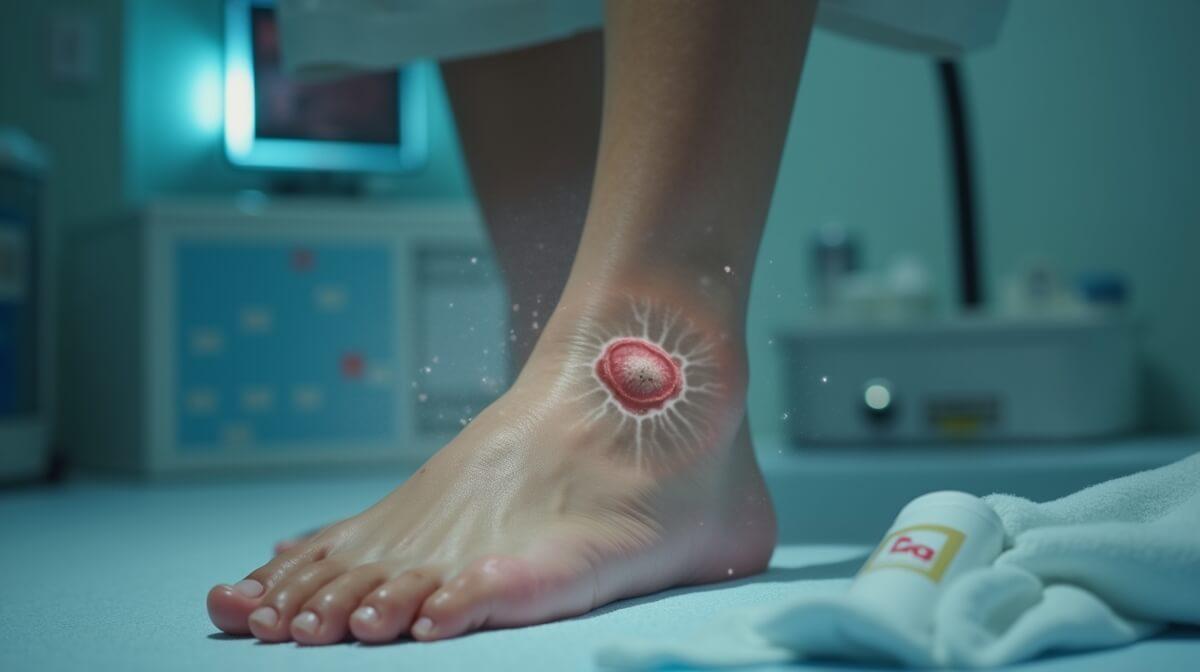
Short-cutting your course can transform a simple case into a stubborn one. Persistent fungi can spread to new sites, trigger bacterial superinfection in cracked skin, and complicate chronic conditions like diabetes. Over time, incomplete therapy may also select for organisms that are harder to suppress.
These risks are not meant to scare you—they clarify why the CDC emphasizes completion. With a complete plan and steady prevention, most skin and nail infections resolve without drama.
What are the possible health complications of incomplete fungus treatment?
Relapse is the most common outcome: itch and scaling return, or nails begin to discolor again. Repeated cycles can expand the affected area, especially on the feet and groin. Cracks in the skin may invite bacterial infections like cellulitis, increasing pain and potentially requiring antibiotics.
Household spread is another consequence. Unfinished treatment leaves spores in shared spaces and footwear, exposing family members. For athletes, recurring outbreaks can force time off or reduced performance due to discomfort. Addressing all reservoirs—skin, shoes, and surfaces—helps prevent these knock-on effects.
In medically complex patients, untreated or partially treated fungal infections can aggravate wounds, complicate glucose control, or interfere with mobility. That’s why finishing therapy and coordinating care is especially important if you have diabetes, vascular disease, or immunosuppression.
Understanding drug resistance and recurrent infections
Antifungal resistance is a public health concern highlighted by the CDC. While many everyday infections remain treatable, inconsistent or incomplete use of medications can encourage less responsive strains to persist. The practical result is simpler therapies may work more slowly or require careful modification to regain control.
Resistance is not the only driver of recurrence. Reservoirs in shoes, socks, and shower floors reinoculate skin even after good progress. Nail structures can shield organisms from topicals, making oral therapy or meticulous mechanical care necessary. A complete plan addresses both the organism and the environment.
If your infection keeps returning despite reasonable adherence, ask your clinician about confirmatory testing, alternative agents, or combined approaches. Together you can design a plan that closes gaps—medication choice, dosing consistency, and environmental control—that fuel persistent cases.
‘When patients finish full courses and decontaminate the environment, recurrence rates drop dramatically. Resistance is real, but it’s often the preventable gaps that keep infections alive.’
– Public health mycology specialist
Case studies: Patient outcomes after stopping treatment early
Case 1: A runner stopped topical therapy for athlete’s foot after one week when itching faded. Two weeks later, scaling and fissures returned, spreading to the other foot. After a complete 4-week course plus shoe disinfection and sock rotation, symptoms cleared and stayed away. The difference was completion and prevention.
Case 2: A desk worker with nail fungus used a topical for three months but paused frequently. Nail debris persisted and spread to a second toe. Under clinician guidance, they switched to an oral regimen with scheduled labs and continued meticulous nail care. Over six months, a clear nail band advanced steadily, and the infection resolved.
Case 3: A parent treated ringworm in a child but skipped follow-up. Mild patches lingered and spread to a sibling. A coordinated household plan—oral therapy for the child, cleaning shared surfaces, and dedicated towels—broke the cycle. The lesson: finish the plan and protect the environment to prevent reinfection.
Frequently Asked Questions About The CDC-Cited Mistake: Are You Stopping Your Fungus Treatment Too Soon?
What does the CDC say about stopping fungal treatment too soon?
The CDC emphasizes finishing the full, prescribed course. Symptom relief often occurs before the fungus is eradicated from deeper skin or nail layers. Stopping early invites relapse, continued transmission at home or in public spaces, and in some contexts contributes to antifungal resistance. Follow the duration your clinician sets, monitor progress weekly, and maintain prevention habits to convert early relief into lasting clearance.
How long should I continue antifungal medication according to CDC guidelines?
Durations vary by infection and therapy. Many skin infections need 2–4 weeks of topicals, often extending 1–2 weeks beyond symptom resolution. Scalp infections typically require oral medications for several weeks. Nails may need 12–24+ weeks, with visible clearing as the nail grows out. Your clinician tailors these ranges to your case, so never shorten the plan solely based on early improvement.
Can my fungal infection return if I stop treatment when symptoms disappear?
Yes. Symptom relief can precede microbiological cure by weeks, especially with nails. Residual fungi left in the skin, nail bed, or footwear can repopulate quickly, causing the same or wider area to flare again. Continue therapy for the full prescribed period and maintain prevention steps—drying, shoe rotation, and surface disinfection—to prevent quick rebound.
What are the risks of stopping fungus medication prematurely?
Risks include relapse, larger or more stubborn lesions, spread to new areas, and potential bacterial infections through skin cracks. Inconsistent use can also contribute to organisms that respond less readily to standard therapies. These setbacks often lengthen overall recovery time and cost more than finishing the original course as planned.
How do I know if my fungus infection is fully cured?
For skin, sustained absence of itch, redness, and scaling for at least 1–2 weeks after finishing therapy suggests clearance. For nails, a continuous clear band growing from the base, with no new discoloration at the edge, is a good sign. When in doubt, schedule a check-in or ask about tests like KOH or culture to confirm.
What signs should make me continue or seek further fungus treatment?
If itch, scaling, or redness return after initial relief, or if nail discoloration reappears at the free edge, continue per plan and contact your clinician. Worsening pain, swelling, or drainage may indicate bacterial involvement that needs medical evaluation. Lack of progress after two weeks for skin or after 6–8 weeks for nails warrants a review.
Is it safe to shorten the prescribed treatment if I feel better?
Not without medical advice. Feeling better does not equal eradication. Shortening therapy increases relapse and prolongs the overall journey. If you’re doing well, ask your clinician whether any adjustment is appropriate. Often, the safest path is finishing the full course and reinforcing prevention habits to lock in your gains.
Does stopping antifungal medication early cause resistance?
Early stops can contribute to persistence of less responsive organisms over time, which complicates future treatment choices. While resistance is multifactorial, adherence is one factor you control. Finishing therapy, confirming progress, and addressing environmental reservoirs reduce the pressure that can select for tougher-to-treat infections.
Why do some people stop antifungal treatment before recommended?
Early symptom relief, side effects, busy schedules, cost, and misinformation all play a role. Without clear finish lines and built-in reminders, it’s easy to drift. A practical adherence plan—calendar cues, early refills, midpoint check-ins—helps overcome these hurdles so you can complete the course confidently.
How can I motivate myself to finish a long fungus treatment course?
Set a visible end date and track weekly milestones with photos. Pair dosing with a daily cue, celebrate small wins like reduced scaling or new clear nail growth, and schedule a brief check-in to validate your progress. Remind yourself that a steady 3–12 weeks now prevents months of relapse later.
What should I do if I missed a dose or several doses of my medication?
Take the missed dose when you remember unless advised otherwise, and return to your regular schedule. If you’ve missed multiple doses, call your clinician rather than guessing. Avoid stopping and restarting repeatedly; a quick adjustment preserves progress and reduces your overall time to full recovery.
Are there serious long-term effects from not treating fungal infections properly?
Beyond recurring symptoms, complications include bacterial superinfection, wider spread, chronic nail dystrophy, and impacts on mobility or sports participation. In people with diabetes or impaired immunity, risks are higher. Completing therapy and practicing prevention substantially lower these risks and help protect your household from reinfection.
Conclusion
Finishing antifungal therapy is more than a checkbox—it’s your best defense against relapse, spread, and frustration. By aligning with CDC principles, tracking clear milestones, and tightening prevention habits, you convert early symptom relief into durable clearance. Small, consistent actions—drying, shoe rotation, and scheduled check-ins—compound into a lasting result.
If you’ve stopped early before, reset with a complete plan and a defined finish line. Protect your progress by pairing medical therapy with household hygiene and footwear care. If you’re exploring approaches that claim to work by addressing the underlying driver of recurrence, consider reading an independent perspective before you decide. → See our review of a well-rated solution that focuses on the root cause.
In short
- Complete the full, prescribed duration—don’t stop at symptom relief.
- Track weekly progress and adjust early with your clinician if needed.
- Prevent reinfection with drying, shoe rotation, and surface disinfection.
- Use follow-ups and, when appropriate, testing to confirm cure.
- Coordinate household steps to stop the cycle of recurrence.
Did this help? Share your experience in the comments and pass this guide to someone who’s battling recurring fungal infections.
Important Health Notice and Disclaimer: This article is for educational purposes and reflects general CDC-aligned principles as of the stated date. It is not a substitute for medical advice, diagnosis, or treatment. Always consult a qualified healthcare professional about your specific condition, medications, side effects, and lab monitoring. If symptoms worsen, spread, or you experience signs of infection such as fever, increased pain, or drainage, seek medical care promptly.






Add comment