
 Dr. Lauren Hayes
Last updated: December 1, 2025
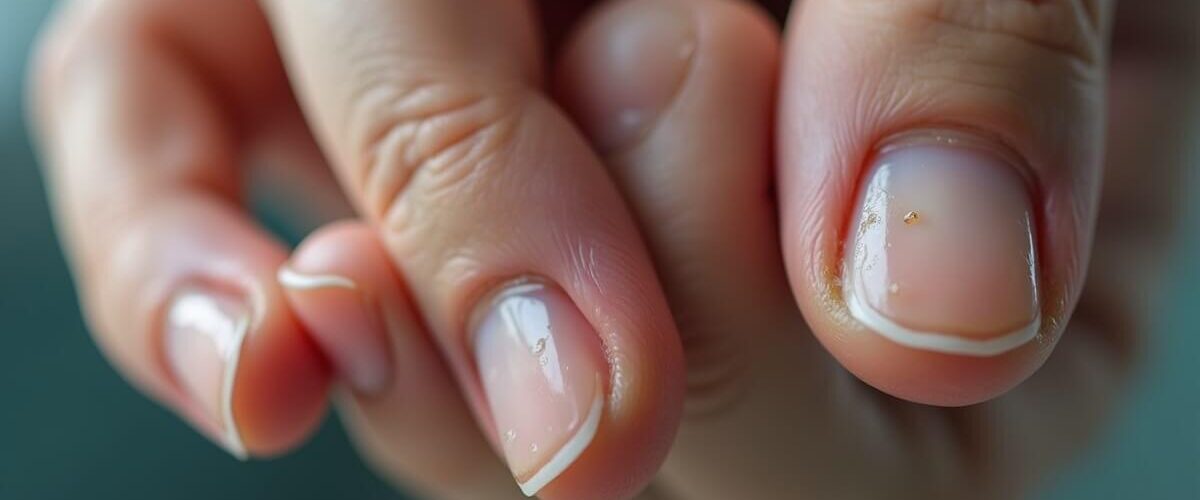
If you are worried your nail changes might be more than a simple infection, you are not alone. Many adults in the US struggle to tell the difference between Nail Fungus and Psoriasis, or whether eczema is part of the picture. The fear of misdiagnosis, recurring flares, and ineffective care is common—and often justified when the “hidden link” among these conditions is overlooked.
This guide explains how nail fungus, psoriasis, and eczema overlap, where they differ, and why they can cluster in the same person. You will learn how to recognize patterns, understand risk factors, and choose treatments that address both symptoms and root triggers. Our focus is to turn complex dermatology into practical, day‑to‑day decisions you can act on safely.
By the end, you will be able to spot key signs, reduce flare‑ups, and know exactly when to see a dermatologist. You will also understand why some therapies work quickly for one person and not for another—and how to avoid the most common and costly mistakes.
Key takeaways
- Nail Fungus and Psoriasis can look strikingly similar; eczema adds dryness and inflammation that confuses the picture.
- Shared immune pathways and skin barrier issues help explain why these conditions often co‑occur and recur.
- Diagnosis matters: antifungals do not treat psoriasis or eczema, and steroid creams can worsen an untreated fungal infection.
- Evidence‑based routines, risk reduction, and timely specialist care prevent recurrence and complications.
Ready to make sense of your symptoms and find a safer, more targeted plan? Keep reading to learn how these conditions connect—and what to do next.
Understanding Nail Fungus, Psoriasis, and Eczema: Basic Concepts
Nail and skin changes are some of the most visible signs of health, yet they are also among the most misunderstood. Fungal infections, inflammatory diseases like psoriasis, and eczematous processes all affect nails differently, but their overlaps are easy to miss. A clear framework helps you match symptoms to likely causes and make smarter treatment choices.
This section lays a foundation: what each condition is, how it affects your health beyond appearance, and which early clues matter. If you have a personal or family history of skin disease, immune issues, or frequent stress, the distinctions are essential for long‑term control and prevention.
What is nail fungus and how does it impact health?
Nail fungus, or onychomycosis, is a fungal infection that invades the nail plate and nail bed. It typically begins at the nail edge and slowly spreads inward, causing thickening, discoloration, brittleness, and debris under the nail. Toenails are affected more often than fingernails because shoes create a warm, moist environment where fungi flourish. Without treatment, the infection can persist for years.
From a health perspective, nail fungus is more than cosmetic. Thick, distorted nails can cause pressure pain, make walking uncomfortable, and break easily, opening the door to bacterial infection. In people with diabetes or peripheral vascular disease, complications can escalate quickly, increasing the risk of cellulitis or ulcers. Addressing the infection reduces not just symptoms but also these downstream risks.
Common exposures include locker rooms, communal showers, tight footwear, and shared nail tools. Nail salons that do not sterilize instruments can also transmit organisms. If one toenail is infected, the chance of spread to other nails and tinea pedis (athlete’s foot) rises significantly. Treating both the nail and the surrounding skin is often necessary to prevent reinfection.
Clinically, nail fungus often causes yellow, brown, or white discoloration with crumbly edges and subungual keratosis. The nail may lift from the bed (onycholysis), creating a pocket for debris. Unlike psoriasis, the skin around the nail is often less inflamed. However, coexisting athlete’s foot can bring redness and itching between the toes and along the sole.
Diagnosis typically involves clipping part of the nail for a potassium hydroxide (KOH) preparation, fungal culture, or PCR-based tests. These methods confirm fungal elements, guiding whether to use topical agents, oral medications, or a layered approach. Because other conditions can mimic fungal disease, laboratory confirmation avoids months of ineffective therapy.
What are psoriasis and eczema, and how do they manifest?
Psoriasis is a chronic inflammatory condition driven by an overactive immune response, especially in the IL‑23/IL‑17 pathway. It accelerates skin cell turnover, creating thick, scaly plaques and inflamed borders. Nail involvement is common—estimates suggest up to 50% of patients develop nail changes over time. These include pitting, ridging, salmon patches (oil spots), and subungual hyperkeratosis.
Eczema, or dermatitis, is a group of conditions characterized by skin barrier dysfunction and inflammation. Atopic dermatitis is the most common form, but contact dermatitis (allergic or irritant) can also affect hands and nails. Eczema produces dryness, itching, fissures, and sometimes weeping lesions. Repeated inflammation around the nail folds can lead to nail ridging, brittleness, and slow growth.
Nail psoriasis and nail eczema can both cause thickening and discoloration, which is why they are often confused with nail fungus. Eczema-related changes typically reflect chronic irritation—think frequent handwashing, sanitizer use, or occupational exposures. Psoriatic nails often show pitting and distinct color changes that track beneath the nail plate, pointing to deeper nail matrix involvement.
Both psoriasis and eczema are systemic in the sense that triggers outside the skin—stress, infections, climate changes, and allergens—can elicit flares. People with these conditions often report cycles of improvement and worsening linked to lifestyle or environmental shifts. Recognizing these patterns is valuable because targeted behavior change can reduce flare frequency and intensity.
Treatment aims differ: psoriasis often responds to steroids, vitamin D analogs, or targeted biologics, while eczema management focuses on barrier repair, trigger avoidance, and anti‑inflammatory creams. These distinctions matter because using the wrong therapy—for instance, steroid monotherapy on an undiagnosed fungal infection—can complicate the picture and delay recovery.
Common symptoms and differences between these conditions
All three conditions—fungus, psoriasis, and eczema—can cause nail thickening, color change, and fragility. That overlap creates understandable confusion. However, each has signature features. Fungal disease frequently starts at the distal nail and spreads proximally, while psoriasis often shows pitting, oil spots, and periungual redness. Eczema tends to focus on surrounding skin with dryness, scaling, and fissuring that secondarily affects the nail.
Subungual debris is more typical in fungal disease, whereas nail pitting suggests psoriasis. Pain on pressure and shoes is common with thick fungal nails; psoriatic nails often hurt with lifting or when plaques extend under the nail. Eczematous changes more commonly include itch and burning of the surrounding skin with exacerbation after soaps, detergents, or sanitizer use.
Laboratory tests help cement the diagnosis. KOH and fungal cultures identify fungus; biopsies and dermoscopy refine psoriasis evaluation. Patch testing can reveal contact allergens driving hand eczema. Because each test targets a different mechanism—organisms, immune inflammation, or external triggers—combining them gives a complete view and prevents trial‑and‑error mistakes.
Understanding which symptoms cluster together saves time and cost. For example, if you have athlete’s foot plus a yellow, thickened toenail that started at the tip, fungus is a leading suspect. If you notice nail pitting and scaly plaques on elbows or knees, nail psoriasis is more likely. Eczema becomes likely when chronic irritation from work or home exposures aligns with fingertip fissures and periungual inflammation.
When in doubt, consider this comparative snapshot as a starting point for a clinician conversation. It is not a substitute for testing, but it can sharpen your questions and ensure you get the right workup.
| Feature | Fungal (Onychomycosis) | Nail Psoriasis | Nail Eczema/ Dermatitis |
|---|---|---|---|
| Onset pattern | Starts at tip/side, spreads inward | Can involve whole nail; oil spots/pitting | Often after skin irritation; periungual first |
| Color | Yellow/white/brown | Yellow‑red “oil spots” | Normal nail; surrounding skin erythema |
| Texture | Thick, crumbly; subungual debris | Thick, ridged; pitting | Ridging/brittle from chronic inflammation |
| Pain/itch | Pressure pain in shoes | Pain with lifting; tender plaques | Itch and burning around nail folds |
| Tests | KOH/culture/PCR positive | Biopsy/dermoscopy findings | Patch testing may be positive |
The Overlapping Symptoms and Diagnostic Challenges
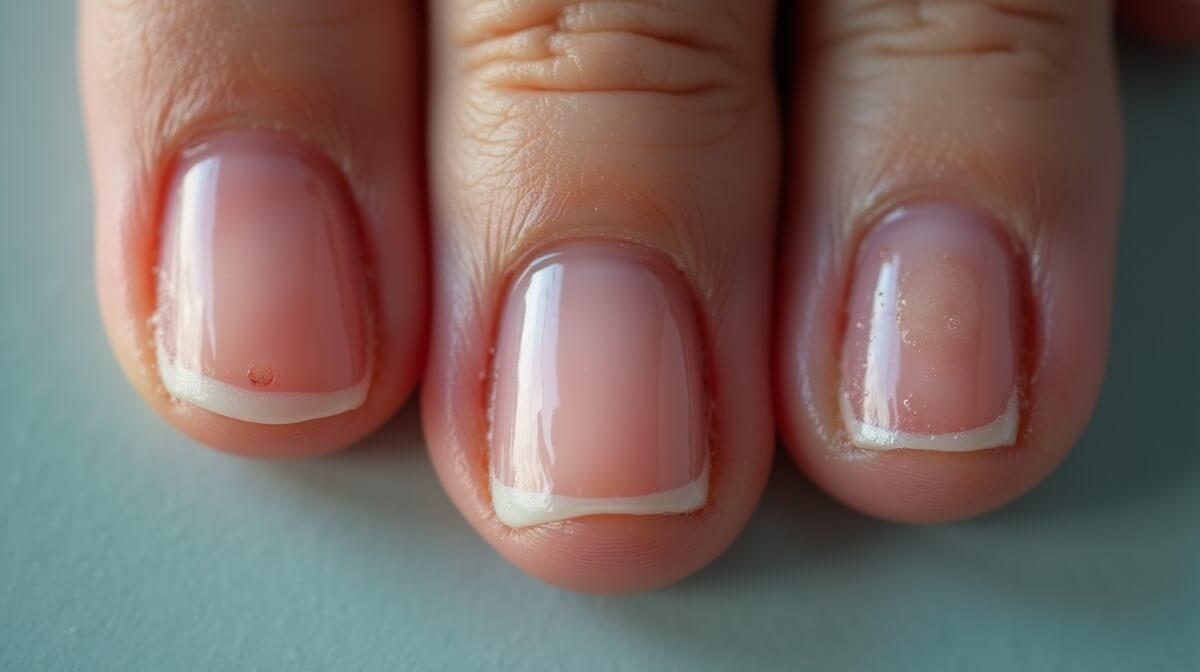
In everyday life, symptoms seldom present like textbooks. Many people have elements of all three conditions: a fungal toenail, psoriatic skin plaques, and hand eczema from frequent washing. Overlaps increase the odds of misdiagnosis and partial responses to treatment, which understandably fuels frustration and healthcare costs.
Accurate diagnosis starts with pattern recognition but requires confirmation. A clinician’s exam, dermoscopy, and targeted lab tests can distinguish infection from inflammation. When conditions co‑occur, the safest plan typically sequences therapies, treating active infection while calming immune‑driven flares without fueling fungal growth.
How can nail fungus be confused with psoriasis or eczema?
Thick, discolored nails create a strong visual bias toward fungus. Yet psoriatic changes can look nearly identical, especially when subungual hyperkeratosis builds under the nail plate. Without pitting or oil spots, psoriatic nails are often mislabeled as “fungal,” leading to months of ineffective antifungals and delayed relief.
Eczema adds another layer. Chronic hand dermatitis can roughen and ridge nails, and redness around the nail folds can be mistaken for infection. In these cases, over‑the‑counter antifungals may show no improvement because the core problem is barrier dysfunction and allergic or irritant triggers, not organisms. The result is treatment fatigue and rising anxiety.
Overlap also happens within the same person. For example, someone with psoriasis may develop a secondary fungal infection in a thickened toenail. The infection thrives in the altered nail structure, and the psoriasis persists despite antifungals alone. Correct care requires addressing both issues, often in a staged or combined approach, to reduce mutual reinforcement.
Another confusion point is nail trauma. Joggers, hikers, and workers who stand for long periods can develop microtraumas that darken and thicken nails. Trauma can mimic fungal patterns and even predispose to infection by disrupting the nail barrier. Clinicians often ask about footwear, sports, and repetitive motions to tease apart these overlapping factors.
Finally, topical steroids—helpful for psoriasis and eczema—can temporarily reduce redness and swelling in a misdiagnosed fungal infection. This false sense of improvement leads to prolonged steroid use and a deeper, more stubborn infection. It is a classic example of why testing matters before committing to long treatment courses.
Key signs to differentiate between fungal and inflammatory conditions
Think of diagnoses as probabilities that shift with each clue. Distal onset, subungual debris, and coexisting athlete’s foot push probability toward fungus. Nail pitting, oil spots, and symmetric plaques on elbows or knees point toward psoriasis. Hand‑dominant symptoms worsened by soaps, gloves, or irritants suggest eczema. The more clues you stack, the clearer the picture becomes.
Response to prior treatment is also informative. If months of correctly used topical or oral antifungals produce no change, reconsider inflammation. Conversely, if steroids calm the surrounding skin but nails worsen, a hidden infection may be present. Keep a brief symptom and treatment diary to spot these patterns over weeks rather than days.
Inspection tools help. Dermoscopy can reveal capillary patterns, pits, and color changes under the nail that are not visible to the naked eye. Photographs taken several weeks apart provide objective evidence of improvement or progression. A dermatologist may also check other body sites because nails rarely act alone—skin and scalp often tell the fuller story.
Simple home observations can guide next steps. For instance, if changing footwear, drying feet thoroughly, and treating athlete’s foot visibly improve nail edges, fungus is more likely. If thick moisturizer, fragrance avoidance, and cotton glove liners reduce redness and fissuring around the nails, eczema is probably at play. These directional tests are not diagnoses but can make clinic visits more productive.
- Distal edge involvement and crumbly debris favor fungal infection.
- Nail pitting and oil spots favor psoriasis.
- Periungual redness and itching after irritants favor eczema.
- Concurrent athlete’s foot increases odds of toenail fungus.
- Symmetric plaques on extensor surfaces strengthen a psoriasis diagnosis.
- No response to antifungals after 12–16 weeks suggests inflammatory disease.
Remember that mixed cases are common. Proof through testing prevents circular efforts and yields a clearer, faster path to relief. A short delay for a KOH test or culture often saves months of back‑and‑forth treatment.
Why is accurate diagnosis crucial for effective treatment?
Treating the wrong condition is not just ineffective; it can be harmful. Oral antifungals have potential drug interactions and require monitoring for some patients. Steroids and calcineurin inhibitors help psoriasis and eczema but can let fungi thrive if infection is present. Accurate diagnosis ensures you gain benefit while minimizing risks and costs.
In practical terms, this avoids expensive missteps. For instance, three months of oral antifungal therapy without lab confirmation may miss psoriasis entirely. Conversely, long‑term steroid use around nails labeled “eczema” can mask and worsen a fungal infection. Aligning treatment to test results delivers better outcomes and fewer side effects.
Diagnostics also set realistic timelines. Fungal nails grow out slowly; visible improvement can take six to twelve months for toenails. Psoriatic nail changes may respond faster to targeted systemic therapies but still require months. Understanding expected milestones reduces frustration and improves adherence, which is often the difference between partial and sustained recovery.
When multiple conditions coexist, sequencing is key. Many dermatologists start by controlling active infection, then reduce inflammation to restore the barrier and nail architecture. This stepwise plan lowers the risk of flare‑ups and improves medication penetration, creating a synergistic effect rather than a tug of war between treatments.
“Test before you treat. When nails and skin send mixed signals, a few targeted labs can prevent months of guesswork and side effects.”
– Board-certified dermatologist (clinical guidance)
Ultimately, clarity builds confidence. When you understand what you are treating and why, adherence improves and outcomes follow. That is the foundation of effective, safe care in a landscape where symptoms overlap.
Exploring the Hidden Link: How Are Nail Fungus, Psoriasis, and Eczema Connected?
It is tempting to view fungus, psoriasis, and eczema as separate silos, but in many patients they intersect. Immune signaling, skin barrier integrity, and microbiome balance are common crossroads. Understanding these shared pathways explains why flare‑ups cluster and why some standard treatments fall short unless the bigger picture is addressed.
In this section, we explore biology and behavior: how immunity shapes nails and skin, which triggers set multiple conditions in motion, and who is most at risk. You will see why addressing one issue can improve the others—and why neglecting any piece invites recurrence.
Is there a biological or immunological connection between the conditions?
Psoriasis is driven by Th17/IL‑23 pathways, while eczema often reflects Th2‑skewed immunity and barrier dysfunction. These are distinct, yet they influence fungal susceptibility. Inflammation and microcracks in the skin and nail fold can let dermatophytes enter. Conversely, persistent fungal antigens can amplify local immune activation, perpetuating inflammation.
The nail unit is a unique ecosystem. Its slow growth and compact keratin create both protection and vulnerability. When the surrounding skin barrier is impaired—as in eczema—or inflamed—as in psoriasis—medication penetration changes and microbial communities shift. These changes can predispose to secondary infection or complicate clearance of an existing one.
Stress and systemic health also tie them together. Chronic stress raises cortisol and catecholamines, which can impair barrier repair and alter immune signaling. Metabolic syndrome, obesity, and diabetes—more prevalent in psoriasis—can reduce perfusion to the nail bed, slowing recovery and favoring fungal persistence. Lifestyle therefore sits at the crossroads of these diseases.
Another link is microtrauma. Nail psoriasis weakens adherence between the nail plate and bed, making onycholysis more likely. The lifted space becomes a safe harbor for fungi. Similarly, eczematous fissures in the periungual skin create entry points for organisms. Biology and mechanics combine, making overlap statistically and clinically plausible.
Recognizing these connections reframes treatment. Rather than chase symptoms one by one, a plan that strengthens the barrier, calms excessive inflammation, and reduces fungal load addresses the system as a whole. That is the practical meaning of targeting deeper causes, not just appearances.
Can one condition trigger or worsen the others?
Yes. Psoriatic nail changes can lead to onycholysis, creating a pocket where fungi can take hold. A fungal infection then sustains inflammation, which worsens psoriasis—a self‑reinforcing loop. Eczema-driven barrier dysfunction around the nail fold similarly increases susceptibility to infection and delays healing, especially when hands are frequently wet.
Real‑world patterns reflect this loop. A person starts with mild toenail fungus after a gym exposure. Months later, stress triggers psoriasis flares, and the altered nail structure resists standard topical care. The person adds frequent hand sanitizer use, developing hand eczema that cracks. Now there are three interacting problems, each making the others more stubborn.
Targeted sequencing breaks the loop. Clearing athlete’s foot reduces fungal shedding to the nail, while footwear changes remove constant moisture and pressure. In parallel, calming psoriasis with evidence‑based therapies reduces onycholysis. Finally, repairing the hand barrier with fragrance‑free emollients and protecting from irritants allows the skin to keep pathogens out and treatments in.
This is why multidisciplinary care can be helpful. Dermatologists, primary care clinicians, and sometimes podiatrists coordinate timelines for oral drugs, topicals, and habit change. The goal is synchronized progress rather than seesawing between competing priorities that undermine each other.
Use the checklist below to identify where your plan might be missing a piece. A single overlooked step—like untreated athlete’s foot—can quietly sabotage months of effort on the nails themselves.
- Treat tinea pedis (athlete’s foot) if present to lower fungal burden.
- Reduce onycholysis by calming nail psoriasis when indicated.
- Repair the periungual barrier with rich, fragrance‑free emollients.
- Limit wet work and harsh detergents that worsen hand eczema.
- Improve footwear hygiene and dryness to cut reinfection risk.
- Disinfect or replace old nail tools and avoid sharing.
- Align treatment timelines so therapies do not counteract each other.
- Track progress with monthly photos to guide adjustments.
Genetic and environmental risk factors shared by all three diseases
Genetics shape susceptibility. Family history of psoriasis raises the chance of nail involvement, and atopic family history increases eczema risk. Although fungal infections are acquired, genetic differences in skin structure, immunity, and sweating patterns can influence who gets infected and who clears quickly. In practice, families often show recognizable patterns across generations.
Environment determines exposure and triggers. Warm, humid climates or occupational settings with prolonged moisture challenge the nail barrier. Urban living and frequent gym use increase exposure to communal surfaces. Seasonal shifts—dry winters, humid summers—modulate both eczema and fungal growth, which is why some people notice predictable cycles.
Comorbidities matter, too. Diabetes, metabolic syndrome, and smoking have been associated with both psoriasis severity and fungal persistence. Mechanical factors like tight shoes, long runs, or repetitive trauma can make nails more vulnerable. Recognizing your unique combination of risks helps prioritize the most effective prevention strategies.
Stress is a universal amplifier. High‑pressure jobs, caregiving responsibilities, and sleep debt can raise flare frequency for psoriasis and eczema and impair wound healing. Stress also shifts daily habits—like skipping moisturizers or delaying sock changes—that indirectly promote fungal survival. This is why stress management has tangible skin and nail benefits.
Finally, access to care shapes outcome. Early evaluation and testing catch mixed cases before they spiral. Insurance coverage, clinic availability, and patient education influence the ease of getting cultures, patch testing, or a dermatology referral. Investing effort in clear diagnosis pays dividends in faster, steadier improvement.
“Genes load the gun, environment pulls the trigger, and habits decide the trajectory. Nail health sits at the intersection of all three.”
– Clinical epidemiology perspective
Treatment Approaches: Differences and Intersections in Care
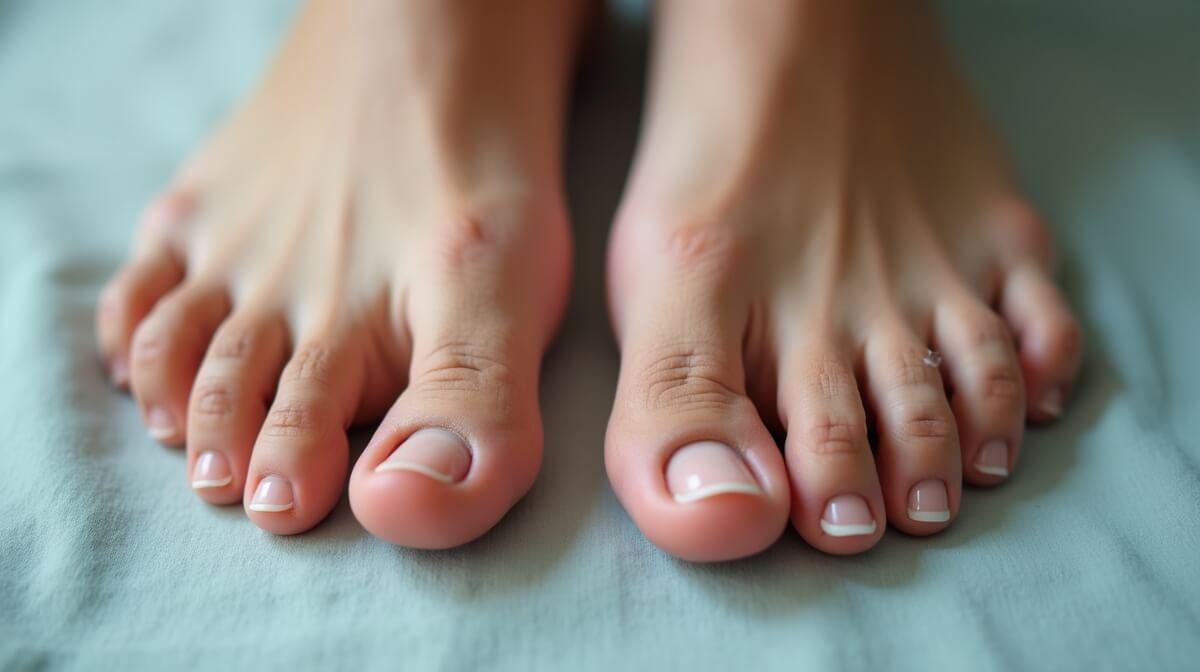
Therapies diverge because the causes differ. Fungus needs antifungals; psoriasis and eczema need anti‑inflammatory strategies and barrier repair. Yet, in real life, treatments must be coordinated so they do not cancel each other out. When infection and inflammation overlap, timing and sequencing become as important as the drugs themselves.
Below, we compare core treatments, discuss combination approaches for co‑occurrence, and outline risks when the diagnosis is off target. Understanding these nuances helps you work with your clinician to build a plan that is both effective and safe.
Standard treatments for nail fungus vs. psoriasis and eczema
For nail fungus, topical options include medicated lacquers and solutions (such as efinaconazole or tavaborole) applied daily for months. These work best for mild to moderate disease and when the nail plate is thinned or debrided to improve penetration. Oral antifungals, commonly terbinafine or itraconazole, are considered for more extensive disease, with lab monitoring when appropriate.
For nail psoriasis, topical high‑potency steroids, vitamin D analogs, or combination products are typical first steps. In more resistant cases or where skin and joints are involved, systemic therapies—methotrexate, cyclosporine, or targeted biologics—can reduce nail changes by addressing upstream inflammation. Intralesional steroid injections into the nail matrix are sometimes used by specialists.
Eczema management hinges on barrier repair and trigger control. Emollients, fragrance‑free routines, and topical anti‑inflammatories like corticosteroids or calcineurin inhibitors are mainstays. For chronic hand eczema, patch testing may identify allergens in soaps, fragrances, or occupational exposures. Phototherapy and newer systemic agents may be considered for severe, refractory cases.
Because medications act on different targets, misapplication causes problems. Antifungals do not treat psoriasis or eczema. Steroids reduce eczema and psoriasis symptoms but can worsen an untreated fungal infection. When in doubt, clinicians often confirm with a KOH or culture before starting oral antifungals or long steroid courses to ensure safety and efficacy.
Cost and convenience also influence choices. Topicals demand daily adherence and patience, while orals offer faster results but require safety checks. Photographs, nail trimming, and filing thick regions weekly can markedly improve topical success rates. For any plan, setting realistic timelines—six to twelve months for toenails—is crucial to avoid premature abandonment.
Side effects must be weighed. Oral antifungals can interact with other medications and occasionally affect liver enzymes. High‑potency steroids require careful use to avoid thinning skin or systemic absorption. Shared decision‑making with your clinician ensures your regimen matches your medical history, lifestyle, and risk tolerance.
When making sense of options, a simple comparison helps anchor decisions and expectations.
| Condition | Main Goal | First-line | When to escalate | Expected timeline |
|---|---|---|---|---|
| Fungal nails | Eradicate infection | Topicals + debridement | Oral antifungals if extensive | 6–12 months toenails |
| Nail psoriasis | Reduce inflammation | Topical steroids/Vit D | Systemics/biologics | 3–6+ months |
| Nail eczema | Repair barrier | Emollients + steroids | Patch testing/systemics | Weeks to months |
Are there therapies that address overlap or co-occurrence?
Yes, but the key is strategy more than any single product. In mixed cases, clinicians often sequence care: treat active tinea pedis and reduce fungal burden first, then calm psoriasis or eczema. This approach prevents steroids from fueling fungal growth while still relieving inflammation once infection is controlled.
Adjunctive measures help across the board. Regular debridement, careful filing, and urea or lactic acid keratolytics thin thickened nails and improve topical penetration—useful for both antifungals and anti‑inflammatories. For eczema, barrier‑focused regimens with petrolatum‑rich emollients reduce fissuring, create a better seal, and lower the risk of organisms entering.
Phototherapy can benefit psoriasis and eczema while avoiding systemic side effects. However, nails are relatively resistant to light therapy due to the thick plate. In some cases, combination plans pair phototherapy for skin with topical or oral agents for nails, keeping exposure tailored and safe.
Antiseptic soaks or cleansers can complement care. While they do not replace antifungals, they may reduce bacterial and fungal load around the nail fold and toe webs, which can help recurrence rates. Any soak or cleanser should be nonirritating and fragrance‑free to avoid worsening eczema.
For persistent nail psoriasis with coexisting fungus, targeted systemic therapy along with a time‑limited antifungal plan may yield the most reliable results. The principle is simple: remove infection obstacles, then maintain immune control so the nail can grow out healthier and resist reinfection. Frequent follow‑up ensures the plan adapts as nails improve.
Risks of misdiagnosis and inappropriate treatments
Mistaken identity is costly. Treating psoriasis as fungus delays effective immune‑targeted therapy, allowing onycholysis to progress and making secondary infection more likely. Treating fungus as eczema with steroids can suppress local defenses, letting the infection deepen and spread—a classic reason for stubborn, recurring disease.
Medication risks compound when plans are off target. Unnecessary oral antifungals can interact with other prescriptions. Overuse of high‑potency steroids can thin skin and alter pigmentation, while not addressing the root cause. Even benign‑seeming home remedies can irritate eczematous skin or nails and complicate healing.
Opportunity cost matters. Months spent on the wrong path reduce motivation, increase out‑of‑pocket spending, and delay definitive options like patch testing, cultures, or biologics. In contrast, early confirmation and a tailored plan shorten the journey and reduce the emotional burden that often accompanies visible nail disease.
To avoid these pitfalls, include testing early, particularly if you have risk factors for mixed disease. Share a concise history of exposures, family history, and prior responses with your clinician. These details sharpen diagnostic accuracy and ensure therapies are aligned with the true driver of your symptoms.
- Do not start long oral antifungal courses without confirmation.
- Do not use potent steroids on suspected fungal infections.
- Reassess if there is no improvement after 8–12 weeks.
- Ask about culture, KOH, dermoscopy, or patch testing when in doubt.
- Consider co‑occurrence; plan sequencing, not single‑track care.
When care is aligned to cause, results follow steadily—even if not overnight. Patience with the nail growth cycle plus precision in diagnosis is the winning combination.
Prevention, Management, and When to Seek Expert Help
Once you know what you are dealing with, daily habits become powerful. The nail plate grows slowly, so every small improvement compounds over months. Prevention reduces rebounds, lowers medication burden, and builds confidence that you can keep results once you earn them.
In this final section, you will find practical routines, targeted risk reduction strategies, and clear markers for when to involve a specialist. Use these as a flexible template to tailor your own plan.
Daily care strategies to manage and prevent flare-ups
Routine beats intensity. A consistent, low‑friction routine protects the barrier, limits fungal growth, and supports medication success. Aim for habits you can maintain during busy weeks—quick drying of feet, breathable socks, and a nightly emollient for hands and periungual skin. These small steps control the environment that drives both infection and inflammation.
Manage moisture smartly. Change out of sweaty socks promptly, rotate footwear to dry fully, and use toe spacers or breathable shoes when possible. Moisture is fuel for fungi and a foe for eczematous skin; controlling it reduces both problems. After showers, dry between toes with a separate towel to prevent cross‑contamination.
Protect the periungual skin. For hand eczema, apply a thick, fragrance‑free moisturizer after every wash and before bed. Use cotton glove liners under nitrile gloves for wet work to limit irritation while maintaining dexterity. Avoid fragranced soaps and alcohol‑heavy products that can amplify dermatitis.
Track your nails. Take photos monthly in the same lighting to assess subtle changes that daily eyes miss. This objective record guides whether to continue, adjust, or escalate treatment. When you see steady improvement at the base of the nail, it is a strong sign the plan is working.
Mind mechanical stress. Trim nails straight across, avoid aggressive cuticle work, and do not use shared instruments. For thick nails, gentle weekly filing reduces pressure pain and improves topical penetration. Consider podiatry care if thick nails cause discomfort or impact walking.
- Dry thoroughly between toes; use a dedicated towel section.
- Rotate shoes; let each pair air out for 24 hours.
- Choose moisture‑wicking socks; change mid‑day if needed.
- Apply fragrance‑free emollient to hands and nail folds after washing.
- Use glove liners for wet work; avoid prolonged bare exposure to detergents.
- Trim nails regularly; gently file thick areas weekly.
Even with the best routine, expect gradual progress. Toenails grow about 1–2 mm per month; visible change comes from the base as healthy nail replaces damaged portions. Consistency is the engine that drives these gains.
How to reduce risk factors and recurrence for all three conditions
Focus on leverage points—habits that influence infection, inflammation, and barrier integrity simultaneously. Footwear hygiene, stress management, and skin‑friendly routines are powerful because they reduce multiple drivers at once. Think of them as insurance against relapse, especially after a course of antifungals or during psoriasis and eczema maintenance phases.
Consider your environment. If you use communal showers or gyms, bring shower sandals and your own towel, and avoid sharing nail tools. At home, disinfect clippers and files with appropriate solutions and replace old, porous tools that harbor organisms. Launder socks and bath mats in hot water routinely to lower fungal load.
Address systemic health. If you have diabetes or metabolic risk factors, coordinate care to improve glucose control and circulation. These changes meaningfully impact nail recovery time and reduce reinfection likelihood. Sleep quality, regular movement, and nutrition support immune balance that benefits psoriasis and eczema as well.
Stress reduction is not optional. Short daily practices—ten minutes of brisk walking, breathing exercises, or mindfulness—lower flare frequency. Build them into existing routines, like a walk after lunch or a wind‑down before bed. The cumulative effect is far greater than occasional long sessions.
Use the stepwise checklist below to design your prevention plan. Start with items that feel feasible this week and expand gradually. Every sustained win increases your resilience against recurrence.
- Adopt a footwear rotation schedule to ensure daily drying time.
- Use moisture‑wicking socks and change after workouts.
- Disinfect or replace personal nail tools monthly.
- Standardize a fragrance‑free skin routine for hands and feet.
- Treat athlete’s foot fully to reduce fungal seeding to nails.
- Schedule monthly nail photos to track objective progress.
- Integrate 10 minutes of daily stress‑reduction practice.
- Review medications and comorbidities with your clinician for interactions and risks.
When these steps become automatic, recurrence rates drop and treatment efforts go further. Prevention is not just maintenance; it is a multiplier for everything else you do.
When to consult a dermatologist or specialist for complex cases
Seek expert help when the picture is mixed, progress stalls, or pain and function are affected. If you have tried over‑the‑counter care for twelve weeks without measurable improvement, ask for testing and a specialist view. People with diabetes, peripheral vascular disease, or significant nail pain should involve a clinician early to avoid complications.
Specialists offer diagnostic tools—KOH prep, cultures, PCR tests, dermoscopy, biopsy, and patch testing—that refine diagnosis quickly. They can build staged plans that address co‑existing infection and inflammation without making one worse. For recalcitrant psoriasis, they can discuss systemic options that also improve nail disease.
Consider a podiatrist for painful, thick toenails that limit walking or shoe wear. Mechanical care—debridement, protective padding, and footwear strategies—often enhances medical treatment. Occupational or contact dermatitis suspected on the hands may benefit from allergy consultation for patch testing.
Escalate promptly if there are signs of bacterial infection—spreading redness, warmth, fever—or if the nail change is sudden and asymmetric, which occasionally warrants evaluation to exclude other conditions. Safety comes first; do not wait if something looks or feels different rapidly.
Partnering with a specialist converts uncertainty into a clear, personalized roadmap. That guidance saves time, money, and frustration—and protects your long‑term nail and skin health.
Frequently Asked Questions About Nail Fungus, Psoriasis, and Eczema
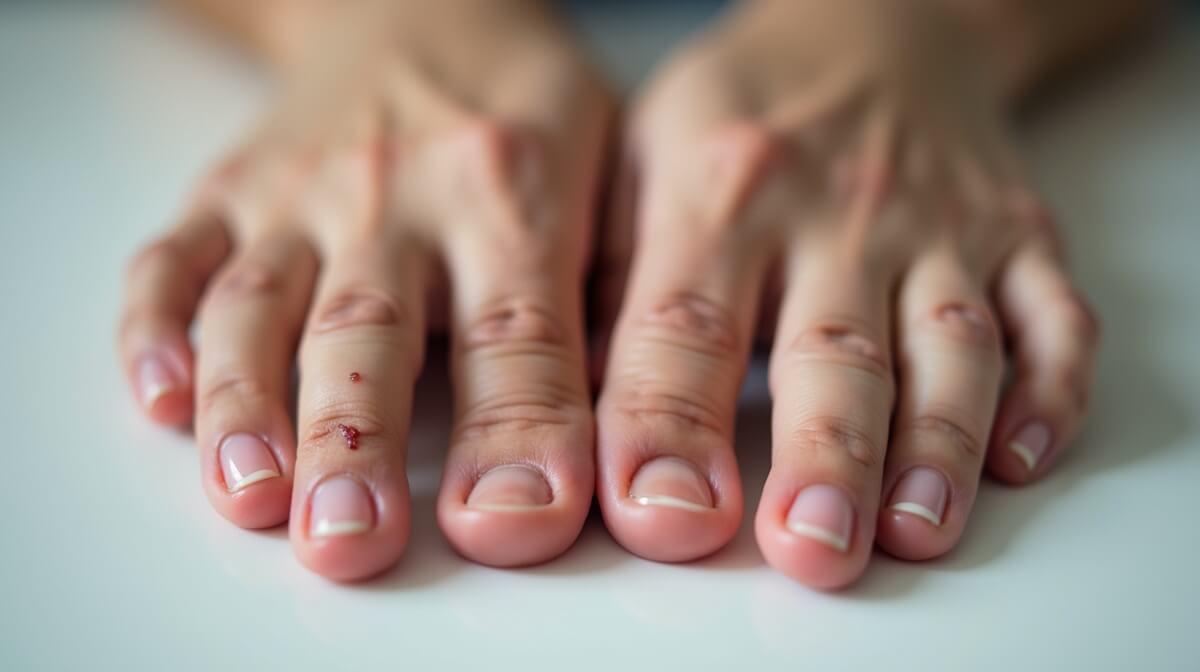
How can I tell if my nail changes are due to fungus, psoriasis, or eczema?
Look for clusters of clues. Distal onset with crumbly debris and coexisting athlete’s foot favors fungus. Nail pitting and oil‑spot discoloration suggest psoriasis, especially if you also have plaques on elbows or knees. Periungual redness and itching that worsen after soaps or wet work point toward eczema. Because overlaps are common, ask for confirmatory tests like KOH, culture, dermoscopy, or patch testing to avoid months of trial‑and‑error care.
Is it possible to have nail fungus and psoriasis or eczema at the same time?
Yes. Psoriasis can cause onycholysis and thickened nails that create pockets where fungi thrive. Eczema-induced barrier damage around the nail increases infection risk, too. Mixed cases need staged care: reduce fungal burden first, then calm inflammation and repair the barrier. This approach avoids steroid‑driven fungal worsening while allowing nails to grow out healthier. Testing ensures both components are identified and addressed.
What are the main differences in symptoms between nail fungus, psoriasis, and eczema?
Fungus often starts at the nail edge with yellow/white/brown discoloration, thickening, and crumbly debris. Psoriasis commonly shows pitting, oil spots, ridging, and tenderness with lifting. Eczema tends to cause redness, itch, fissures, and scaling of the surrounding skin with secondary nail ridging. While each can thicken and discolor nails, the pattern of associated skin findings and test results distinguishes them.
Does psoriasis or eczema make you more likely to get a nail infection?
They can. Psoriasis weakens adhesion between the nail plate and bed, and onycholysis creates spaces where fungi can colonize. Eczema damages the skin barrier around the nail folds, allowing organisms to enter. The combination of barrier disruption, inflammation, and sometimes moisture exposure increases infection risk. Managing inflammation and repairing the barrier significantly lowers this susceptibility over time.
Can nail fungus turn into psoriasis or eczema?
No. Fungus does not cause psoriasis or eczema; those are inflammatory conditions with genetic and environmental drivers. However, a chronic fungal infection can amplify local inflammation, aggravating psoriatic changes or triggering eczema flares in predisposed individuals. In practice, this means untreated fungus can make existing psoriasis or eczema harder to control, but it does not transform into them.
What should I do if over-the-counter treatments aren’t working?
Stop guessing and test. If a properly used OTC antifungal shows no change after 12–16 weeks, ask your clinician for a KOH or culture to confirm fungus and discuss alternative diagnoses like psoriasis or eczema. If OTC steroids calm skin but nails worsen, infection may be present. A short diagnostic workup frequently saves months of ineffective treatment and cost.
What causes the nail to thicken and discolor in these diseases?
Different mechanisms produce similar results. Fungal organisms invade the nail keratin, causing subungual debris and yellow/brown discoloration. In psoriasis, accelerated keratin production and inflammation cause ridging, pitting, and oil spots. Eczema’s chronic inflammation and microtrauma around the nail fold lead to ridging and brittleness. Each pathway changes how the nail grows and how light passes through, altering color and thickness.
Are the treatments for nail fungus safe if I have psoriasis or eczema?
They can be, with proper sequencing and monitoring. Topical antifungals are generally well tolerated. Oral antifungals require review of other medications and health conditions. When psoriasis or eczema coexists, clinicians often address infection first, then add anti‑inflammatory therapy. Avoid applying potent steroids over suspected active fungus without guidance, as this can worsen infection and delay recovery.
Can stress or immune issues trigger these conditions together?
Yes. Stress alters immune signaling and impairs skin barrier repair, increasing psoriasis and eczema flares. It can also shift habits—like footwear hygiene and hand care—that affect fungal persistence. Immune suppression or metabolic disorders further raise risk. Addressing stress with brief daily practices and optimizing systemic health complements medical treatment and reduces the likelihood of simultaneous flare‑ups.
Is it possible to prevent nail fungus if I already have psoriasis or eczema?
Yes. Control moisture, rotate footwear, wear sandals in communal showers, and treat athlete’s foot promptly. Repair and protect the periungual skin with fragrance‑free emollients and glove liners for wet work. Calming psoriasis to reduce onycholysis closes pockets where fungi hide. These steps, maintained consistently, lower infection risk even when inflammatory skin conditions are present.
When should I see a doctor or dermatologist for nail changes?
Seek care if nail changes are painful, progressive, or interfere with function; if there is spreading redness, warmth, or fever; if OTC care fails after 12–16 weeks; or if you have diabetes, vascular disease, or immune suppression. A specialist can confirm the cause with simple tests and design a stepwise plan that addresses infection, inflammation, and barrier repair safely.
Conclusion
Nails tell a story, and understanding it changes outcomes. Nail fungus, psoriasis, and eczema often overlap because they share pathways that involve immunity, barrier integrity, and environment. When you align your plan with the true driver—confirmed by simple tests—treatments work better, side effects drop, and progress becomes steady rather than sporadic.
Use the insights in this guide to build a practical routine: control moisture, repair the barrier, and target inflammation or infection with evidence‑based therapies. Track progress monthly and escalate when objective results stall. When needed, partner with a dermatologist or podiatrist to refine diagnosis and sequence care. Small, consistent steps compound into lasting nail and skin health.
- Diagnose precisely before committing to long treatments.
- Sequence care to address infection, inflammation, and barrier repair.
- Adopt daily habits that reduce moisture and irritants.
- Track progress with photos and adjust every 8–12 weeks.
- Consult specialists early for mixed or persistent cases.
Did this help? Share your experience, ask questions, and pass this guide to someone who is struggling with confusing nail changes. Your story may help them find clarity—and a safer path forward.
Important Health Notice and Disclaimer: This article provides educational information for adults in the United States and does not replace medical diagnosis, individualized treatment, or professional advice. Nail fungus, psoriasis, and eczema can look similar and may co‑occur. Always seek evaluation from a qualified clinician, especially if symptoms worsen, you have diabetes or vascular disease, or you experience pain, spreading redness, or fever. Never start or stop prescription medications without discussing risks and interactions with your healthcare provider.







Add comment