
 Dr. Lauren Hayes
Last updated: November 18, 2025
If you’re over 40 and feel drained by mid-afternoon, you’re not alone. Many men search for answers to prostate and fatigue only after the tiredness starts affecting work, intimacy, and everyday confidence. The fear of something serious, like cancer, or embarrassment about urinary symptoms can make it harder to seek help—yet clarity and action now can save months or years of frustration.
This guide connects the dots between men’s energy, urologic health, hormones, and lifestyle. We’ll translate medical insight into practical steps you can use today—without hype or quick fixes. Whether your low energy is new or long-standing, you’ll learn when to suspect the prostate, what tests matter, and which changes consistently help.
By the end, you’ll be able to discuss your situation with a doctor more effectively, rule out red flags, and build a plan for steady, realistic improvement. Take a breath—this is your blueprint to understanding what’s going on and how to move forward with confidence.
Key takeaways
- Prostate conditions like BPH and prostatitis can contribute to fatigue via sleep disruption, inflammation, and hormonal effects.
- Not all tiredness is urologic—thyroid, anemia, sleep apnea, and medications are common culprits.
- Evidence-based steps—exercise, diet, stress care, sleep, and targeted medical treatment—often restore energy.
- Testing is straightforward: urinalysis, PSA, DRE, hormone panels, and sleep evaluation when indicated.
- Early attention prevents complications and protects long-term vitality and sexual health.
Ready to learn how prostate health and energy intersect—and what to do next? Keep reading for a complete, actionable plan.
Understanding Low Energy in Men Over 40: Causes and Impacts
Persistent tiredness is common among men in midlife, but it’s not inevitable. Understanding what “low energy” means medically, and why it appears more often after 40, helps separate normal fatigue from treatable conditions. This section defines fatigue, explores why it rises with age, and shows how daily habits can amplify or reduce symptoms.
We’ll also differentiate general tiredness from fatigue linked to urologic issues. By spotting patterns—like nighttime urination, reduced libido, or pelvic discomfort—you can better target the root cause, whether it’s prostate-related, metabolic, or lifestyle-driven.
What defines ‘low energy’ and how does it manifest in daily life?
Clinically, “fatigue” is more than just feeling sleepy. It’s a persistent lack of physical or mental energy that isn’t fully relieved by rest. Men often describe it as a “battery that won’t charge” even after a full night’s sleep. It may show up as reduced stamina at the gym, fogginess in meetings, or irritability by evening.
In daily life, fatigue can shorten your patience and your to-do list. You might skip workouts you once enjoyed or rely on late-day caffeine just to keep going. Partners may notice changes, too—less interest in sex, lower mood, and more time on the couch after dinner.
Importantly, fatigue is a symptom, not a diagnosis. It can arise from many medical and lifestyle factors simultaneously. That’s why a systematic approach—ruling out the common, treatable causes first—works best.
Ask yourself: Is my tiredness new, worsening, or accompanied by other changes (urination, sleep, weight, libido)? Those patterns often point to the next best step, whether it’s a lab test, a sleep check, or a urologic evaluation.
Why are men over 40 more likely to feel chronically tired?
Several age-related shifts converge between 40 and 70. Metabolism slows, sleep architecture changes, and muscle mass declines unless you actively maintain it. Many men also accumulate responsibilities—work, caregiving, and community roles—that compress sleep and elevate stress.
Hormonal rhythms can blunt with age, reducing peak morning alertness. Mild insulin resistance becomes more common, contributing to mid-afternoon slumps. And if you’re waking multiple times to urinate—a hallmark of benign prostatic hyperplasia (BPH)—quality sleep suffers, degrading recovery and energy the next day.
Medications add to the picture. Antihistamines, certain blood pressure drugs, and some antidepressants can heighten fatigue. Alcohol, even in moderate amounts, fragments sleep and reduces REM, compounding daytime tiredness.
Finally, inflammation—whether from gum disease, joint issues, or prostatitis—can drive a persistent “flu-like” fatigue. Recognizing this systemic component is key to choosing treatments that restore not only energy but overall vitality.
Key health and lifestyle factors contributing to fatigue
Common medical causes include sleep apnea, anemia, thyroid imbalance, diabetes, depression, and medication side effects. In men with urinary symptoms, prostate issues can be a primary or contributing factor. Men often have more than one issue, which is why a thorough evaluation matters.
Lifestyle factors are powerful levers. Diets low in protein and micronutrients reduce muscle repair and mitochondrial function. Sedentary time impairs insulin sensitivity and cardiovascular capacity. Chronic stress elevates cortisol, shrinking sleep quality and sapping motivation.
To visualize how these variables interact, think of energy as a three-legged stool: sleep, metabolism, and recovery. If nighttime urination knocks out sleep, your metabolism and recovery wobble. If you then skip workouts, the stool tilts further, making fatigue feel entrenched.
Small, targeted improvements—like cutting late-night fluids, adding two strength sessions weekly, and prioritizing earlier bedtimes—often produce noticeable gains within four to six weeks. Track two metrics: morning alertness (0–10) and afternoon energy (0–10). If both trend upward, your plan is working.
The Prostate’s Role in Men’s Health and Vitality
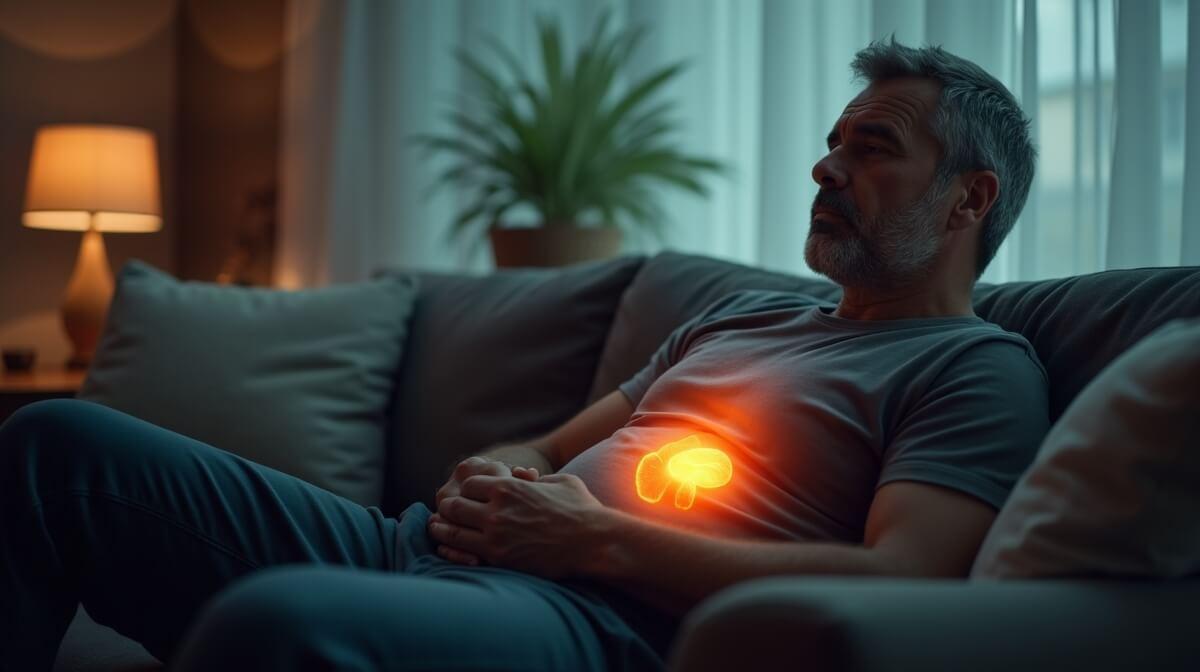
The prostate is central to male reproductive health, but its effects extend beyond fertility. When the gland enlarges, becomes inflamed, or contributes to hormonal shifts, the downstream impact can include sleep disruption, pelvic discomfort, and fatigue. Understanding its function demystifies how urinary and sexual symptoms tie into energy.
This section covers prostate basics, how urologic changes ripple through daily vitality, and which warning signs may connect your tiredness to the gland rather than general causes like diet or stress.
What is the prostate and how does it function in the male body?
The prostate is a walnut-sized gland below the bladder that surrounds the urethra. It produces seminal fluid, nourishing and transporting sperm. Because the urethra runs through it, any enlargement or inflammation can affect urination—frequency, urgency, weak stream, or dribbling.
Blood flow, nerve signaling, and hormones orchestrate prostate function. Testosterone and its derivative DHT influence gland growth, while local inflammation can trigger swelling and tenderness. Pelvic floor muscles interact with the prostate, which is why tension or weakness there may amplify urinary symptoms.
When the prostate grows with age (BPH), the urethra narrows, increasing bladder pressure. Nighttime awakenings to urinate (nocturia) are common and erode sleep quality. Over months, poor sleep alone can cause daytime fatigue, low mood, and reduced motivation.
Infection or chronic non-bacterial inflammation (prostatitis) adds systemic symptoms—pelvic pain, flu-like malaise, and brain fog—creating a cycle where discomfort impairs sleep and energy, and low energy magnifies pain perception.
Can prostate health truly impact your energy levels?
Yes—through three main pathways. First, sleep disruption from urinary frequency and urgency drains restorative rest. Second, inflammation from prostatitis or chronic irritation increases cytokines that can cause whole-body fatigue. Third, hormonal shifts—directly or indirectly—may affect libido, mood, and stamina.
Circulation also matters. Healthy pelvic blood flow supports tissue oxygenation and signaling across urinary and sexual systems. Some men explore targeted strategies that support nitric oxide and microcirculation to improve pelvic comfort and function; for example, supplements like ProstAfense that focus on supporting nitric oxide for better circulation. Any supplement should be part of a broader plan guided by your clinician.
Consider a common scenario: A 58-year-old wakes three times nightly to urinate, skips morning workouts due to grogginess, and notices decreased drive at work. Within 6 weeks of treating BPH and improving sleep hygiene, he cuts awakenings to once per night and reports afternoon energy rising from 4/10 to 7/10.
Not every case is prostate-driven; that’s why targeted testing is essential. But when urinary symptoms and fatigue coexist, addressing the gland often yields meaningful energy gains.
Signs of prostate problems that may be linked to fatigue
Watch for urinary changes: increased frequency, urgency, nocturia, weak stream, hesitancy, or incomplete emptying. Pelvic or perineal discomfort, especially after sitting, may point toward prostatitis. Ejaculatory pain or reduced volume can also be clues.
Systemic signs include low-grade fevers with prostatitis, brain fog, and a “tired but wired” feeling from sleep disruption. If your fatigue coincides with urinary changes or pelvic pain, prioritize a urology visit. Earlier evaluation prevents complications like urinary retention or recurrent infections.
Note any sexual symptoms: reduced libido, softer erections, or climax discomfort. These can overlap with energy issues and may hint at circulatory or hormonal factors. Document timing and frequency; clear timelines help your doctor discern patterns.
Finally, take red flags seriously: unintentional weight loss, bone pain, blood in urine or semen, or persistent night sweats. These warrant prompt medical evaluation to exclude more serious conditions, including cancer.
Medical Conditions Linking the Prostate to Low Energy
Several urologic diagnoses are associated with tiredness, either directly or through secondary effects. The good news: most are identifiable with routine clinical assessment and respond to evidence-based treatment. This section clarifies the links between BPH, prostatitis, hormonal dynamics, and fatigue.
We’ll cover how each condition typically presents, which mechanisms drive low energy, and what outcomes you can expect with treatment. Understanding these pathways helps you set realistic goals and timelines.
How benign prostatic hyperplasia (BPH) may cause tiredness
BPH is a non-cancerous enlargement of the prostate that commonly affects men over 50. The hallmark symptoms—frequency, urgency, weak stream, and nocturia—disrupt sleep and daytime focus. Over time, chronic sleep loss reduces testosterone rhythm amplitude, weakens glucose control, and exacerbates daytime fatigue.
Physiologically, the bladder works harder to overcome obstruction, leading to incomplete emptying and frequent awakenings. Each nocturnal bathroom trip fragments deep and REM sleep, which are essential for cognitive restoration and hormone balance. The result is a compound effect: less sleep, more stress, lower energy.
Left untreated, BPH can increase risks of urinary retention or recurrent infections—both potent fatigue drivers. Treatment ranges from behavioral strategies (fluid timing) to medications and minimally invasive procedures, often relieving symptoms and improving sleep within weeks.
Case example: A 64-year-old with nocturia 4x/night starts alpha-blocker therapy, restricts evening fluids, and adds pelvic floor exercises. Within 4 weeks, nocturia drops to 1–2x/night and his afternoon slump improves from 3/10 to 6/10.
Track changes with a simple diary: nightly awakenings, perceived sleep quality (0–10), and midday alertness (0–10). Share the log with your clinician to refine treatment.
The connection between prostate inflammation (prostatitis) and fatigue
Prostatitis—bacterial or chronic pelvic pain syndrome—often brings pelvic or perineal pain, discomfort with sitting, burning urination, and sometimes fevers. Beyond local symptoms, inflammation can trigger systemic fatigue via cytokines that alter brain energy perception and mood.
Chronic non-bacterial cases can be especially draining. Pain flares lead to poor sleep and reduced activity, which further sensitizes pain pathways. A multidisciplinary approach—urology care, pelvic floor physical therapy, stress reduction, and anti-inflammatory strategies—typically works best.
Nutrition matters here: omega-3s, colorful produce, and limited alcohol can help calm inflammation. Warm baths, brief movement breaks, and a sitting cushion can make daily life more manageable while treatment takes effect.
Improvement timelines vary. Bacterial infections often improve within days of antibiotics; chronic cases may require weeks of consistent therapy. Measure progress by fewer flares, better sleep continuity, and rising morning energy scores.
Is low testosterone caused by prostate issues a fatigue factor?
Low testosterone (hypogonadism) contributes to low energy, decreased libido, and reduced muscle mass. While the prostate doesn’t typically “cause” low T directly, the interplay is real. Sleep disruption from BPH can blunt testosterone rhythms, and chronic illness or inflammation can suppress hormone production.
Evaluation is straightforward: morning total testosterone on two separate days, ideally with free T, SHBG, and LH to clarify cause. If low T is confirmed and consistent with symptoms, clinicians may discuss lifestyle changes, address sleep issues, or consider therapy when appropriate.
Important nuance: Testosterone therapy requires individualized risk-benefit analysis—especially in men with significant prostate concerns. For many, improving sleep, resistance training, weight management, and treating BPH first leads to meaningful testosterone and energy gains without medication.
If sexual symptoms and fatigue are prominent alongside urinary issues, discuss a combined plan with your urologist and primary care physician. Coordinated care prevents fragmented treatment and accelerates results.
Diagnosis and Treatment: Regaining Energy Through Prostate Care
When tiredness persists, it’s time for a structured evaluation. You’ll move faster with a clear checklist: which symptoms to track, which tests to request, and what treatments to consider first. This section provides a practical roadmap so you can partner with your clinician and see tangible progress.
Start with basics, rule out common non-urologic drivers, then focus on the prostate when patterns point there. Along the way, we’ll map realistic timelines so you know what to expect in weeks, not just months.
Diagnostic steps: When should you suspect your prostate?
Suspect the prostate when fatigue coexists with urinary changes (frequency, urgency, nocturia), pelvic or perineal pain, or ejaculatory discomfort. Sleep fragmentation is a major clue. If you wake to urinate more than twice nightly for two weeks straight, evaluate BPH or prostatitis.
Use this step-by-step approach to accelerate answers:
- Document a 14-day symptom diary: nighttime awakenings, fluid intake timing, caffeine/alcohol, pelvic pain, libido, and morning energy.
- Review medications and supplements for fatigue side effects (antihistamines, sedatives, certain antihypertensives).
- Screen lifestyle drivers: sleep duration/regularity, stress load, and activity level.
- Schedule a primary care visit for baseline labs and a “big picture” review (thyroid, anemia, glucose).
- If urinary symptoms are present, add a urology visit for DRE, PSA when appropriate, and urinalysis.
- Consider sleep apnea screening if snoring, witnessed apneas, or daytime sleepiness are present.
- Reassess in 4–6 weeks; if fatigue persists, escalate to targeted testing or treatment.
- If red flags arise—weight loss, blood in urine/semen, severe pain—seek prompt evaluation.
Don’t wait for symptoms to “get bad enough.” Early tweaks—fluid timing, caffeine cutoff, and pelvic floor exercises—often ease strain while you complete testing. Track your 0–10 energy scores; rising numbers confirm you’re on the right path.
When searching for specialized care, a simple “urologist near me” can surface local options. Look for board-certified urologists with experience in BPH and prostatitis, and consider integrated clinics that address sleep and hormones under one roof.
Which tests help determine prostate-related fatigue?
Testing begins with a history and physical exam. From there, labs and targeted assessments clarify whether the prostate is a driver or a bystander. Here’s how they fit together compared to other fatigue causes:
| Test/Assessment | What it Evaluates | When It’s Most Useful | Energy Connection |
|---|---|---|---|
| Urinalysis & Culture | Infection, inflammation | Suspected prostatitis or UTI | Treating infection often lifts fatigue rapidly |
| PSA (age/individualized) | Prostate-specific antigen | BPH, prostatitis, or cancer risk assessment | Informs next steps; not a fatigue test, but guides care |
| DRE (digital rectal exam) | Prostate size, texture, tenderness | BPH/prostatitis evaluation | Identifies likely source of urinary disruption |
| Bladder Scan/Flow Studies | Emptying status, obstruction | Frequent urination, weak stream | Addresses nocturia to protect sleep and energy |
| CBC, Ferritin, B12 | Anemia, deficiencies | General fatigue workup | Correcting deficits often boosts stamina |
| TSH, Free T4 | Thyroid function | Weight change, cold intolerance | Hypothyroidism is a common energy drain |
| A1C/Glucose | Blood sugar control | Metabolic risk, cravings | Stabilizing glucose reduces crashes |
| AM Testosterone, SHBG, LH | Hormonal status | Low libido, strength loss | Clarifies if hormones contribute to fatigue |
| Sleep Study (Home/In-lab) | Sleep apnea, fragmentation | Snoring, daytime sleepiness | Treating apnea often transforms energy |
Bring your symptom diary to appointments. Precise details—like “awake 3x/night to urinate, last fluids at 9 pm”—help clinicians select the right tests first, avoiding delays.
Expect a staged plan: address obvious issues (infection, obstruction) quickly, then fine-tune hormones, sleep, and lifestyle. This sequencing usually yields steady gains without overwhelming you.
Approaches for improving prostate health and boosting energy naturally
Natural strategies can complement medical care and often accelerate recovery. The priorities: reduce nighttime urination, calm inflammation, enhance circulation, and build sleep consistency. Aim for changes you can sustain 80% of the time—perfect is not required.
Caffeine management, fluid timing, and pelvic floor training protect sleep. Anti-inflammatory nutrition, movement, and weight management support hormonal balance. Some men consider targeted supplements for prostate comfort and pelvic blood flow; for an evidence-informed perspective, you can read our ProstAfense review to understand how focusing on nitric oxide and circulation may fit into a broader plan. Always discuss supplements with your clinician, especially if you take medications.
Practical 4-week reset: Stop fluids 2 hours before bed, cap caffeine by noon, walk 10 minutes after lunch and dinner, and perform pelvic floor exercises 5 days/week. Most men report fewer awakenings and better morning alertness by week three.
Set expectations. In BPH, behavioral changes can help within days; medications may improve flow in 1–2 weeks, and minimally invasive procedures often show benefits in 2–6 weeks. For prostatitis, relief may arrive in days for infections or require several weeks for chronic cases with physical therapy and stress reduction.
Lifestyle Changes and Prevention Strategies for Long-Term Energy
Even the best medical plan underperforms without supportive habits. Diet, exercise, sleep, and stress shape your energy trajectory and your prostate health. The goal isn’t perfection; it’s consistent, compounding wins that reduce symptom flare-ups and keep you active.
Use the strategies below to build a sustainable, low-friction routine. Think “minimum effective dose” first, then layer complexity only if needed.
How diet and nutrition support both prostate health and energy
Your plate influences inflammation, circulation, and hormone function. Emphasize lean proteins, omega-3 fats, and colorful produce to supply amino acids, anti-inflammatory compounds, and antioxidants that support tissue repair and mitochondrial efficiency.
For many men, evening reflux and late fluids increase nocturia. Shift most fluids earlier in the day and finish dinner 3 hours before bed. Limit alcohol to one drink max, at least 3 hours before sleep; alcohol fragments REM and deep sleep, worsening fatigue.
Use this prostate- and energy-friendly grocery framework:
- Proteins: salmon, sardines, chicken thighs, eggs, Greek yogurt, tofu
- Produce: berries, leafy greens, tomatoes, cruciferous vegetables
- Fats: olive oil, walnuts, almonds, avocado
- Whole grains and legumes: oats, quinoa, lentils, chickpeas
- Hydration: front-load water; reduce late-evening beverages
Example one-day plan: High-protein breakfast (eggs + spinach), lunch with salmon salad and olive oil, afternoon Greek yogurt with berries, and dinner of grilled chicken, broccoli, and quinoa. Walk 10 minutes after meals to improve glucose handling and pelvic circulation.
Supplements can be adjuncts, not replacements. Discuss choices with your clinician, especially if you’re considering agents that influence blood flow or interact with medications. The focus remains on whole-food patterns that you can maintain long term.
Exercise routines that benefit your prostate and combat tiredness
Exercise is a cornerstone for stabilizing energy. It improves insulin sensitivity, enhances sleep quality, and supports healthy testosterone levels. For prostate symptoms, light aerobic sessions and pelvic floor work can reduce urgency and improve bladder control.
Start with three pillars: strength training 2–3 days/week, brisk walking or cycling 150 minutes/week, and mobility work 10 minutes/day. Keep sessions short if you’re busy—20–30 minutes can deliver meaningful gains when performed consistently.
Pelvic floor basics: Gentle contractions (as if stopping urine flow) for 5 seconds, relax 5 seconds; 10 reps, three times daily. Avoid straining. Over 4–6 weeks, many men notice better control and fewer leak episodes.
Progression example: Week 1–2, two full-body strength sessions and 20-minute walks. Week 3–4, add intervals (1 minute faster pace, 2 minutes easy, repeat 6–8 times). Adjust based on joint comfort and recovery.
Measure outcomes that matter: fewer awakenings, improved morning readiness, easier climbs on stairs, and better mood. When energy stalls, reduce intensity for one week, focus on sleep, then resume.
The importance of sleep, stress management, and routine checkups
Sleep is the recovery engine. Aim for 7–9 hours with a consistent schedule. Protect deep sleep by dimming lights after sunset, keeping rooms cool, and parking phones outside the bedroom. If snoring or witnessed apneas exist, consider a sleep evaluation.
Stress amplifies pain and urgency via the pelvic floor. Short, frequent relaxation breaks—box breathing (4–4–4–4), 5-minute meditations, or an evening wind-down routine—can reduce nocturnal awakenings. Combine with light stretching to release pelvic tension.
Routine checkups catch issues before they escalate. Annual visits for blood pressure, glucose, lipids, and age-appropriate PSA discussions align your health trajectory with your goals. Tell your clinician explicitly that fatigue is a priority outcome.
When you’re juggling work and family, set “minimums” you can always hit: a 20-minute walk, lights-out alarm, and a consistent wake time. These foundational habits stabilize energy even during busy weeks.
Risks, Myths, and Common Questions About Prostate-Related Fatigue
Misconceptions slow progress. Men often wait for dramatic symptoms or search for miracle fixes, missing simple steps that actually work. This section separates fact from fiction and highlights risks of delay—including complications and preventable declines in quality of life.
Use the insights here to calibrate expectations, avoid common pitfalls, and know when to escalate care. Knowledge plus timely action is the fastest route back to steady, dependable energy.
Can prostate cancer cause unexplained fatigue in men?
Prostate cancer can be silent for years. Fatigue isn’t usually the earliest sign, but it can occur—especially with advanced disease, anemia, or treatment effects. That’s why age-appropriate PSA discussions and individualized screening matter, particularly if you have a family history or are African American, where risk is higher.
Don’t self-diagnose. Combine symptom awareness with routine screening. If you experience new, persistent fatigue plus red flags like bone pain or weight loss, seek prompt evaluation to rule out serious causes.
Even when cancer is not the cause, the evaluation process often uncovers actionable issues—sleep apnea, low iron, or BPH—that, once treated, significantly improve energy.
Timely testing brings clarity. Most men find relief in knowing where they stand and what to do next—whether it’s reassurance, monitoring, or treatment.
Are there myths around prostate health and chronic tiredness?
Yes. Three common myths slow progress: that fatigue is “just aging,” that only sexual symptoms indicate prostate trouble, and that symptoms must be severe to deserve care. In reality, small urinary changes paired with tiredness can justify evaluation—early action prevents bigger problems.
Another myth is that one supplement or procedure fixes everything. Most men benefit from a combination: sleep optimization, lifestyle shifts, medical therapy when indicated, and stress care. Think “stacked wins,” not silver bullets.
It’s also untrue that you must live with nocturia. Behavioral tweaks often reduce nighttime trips within days. Procedures are reserved for persistent obstruction, not as a first step for everyone.
“Fatigue is a systems problem. When we align sleep, urinary function, and activity, energy reliably improves.”
– Board-certified urologist
Finally, men fear that discussing urinary symptoms threatens masculinity. The opposite is true—addressing them protects independence, intimacy, and long-term vitality.
What are the risks of ignoring persistent low energy and prostate symptoms?
Delaying care prolongs sleep disruption and raises stress, compounding fatigue. Untreated BPH can progress to urinary retention or recurrent infections. Chronic prostatitis without support can entrench pain pathways, making flares more frequent and recovery slower.
Beyond urology, unaddressed fatigue may mask sleep apnea, thyroid issues, or anemia—all of which impact heart and brain health over time. Catching these earlier preserves quality of life and performance at work and home.
There’s also a psychological toll. Ongoing tiredness can erode confidence, reduce social engagement, and strain relationships. Getting answers and starting treatment often restores not just energy but optimism.
“Most men feel better within weeks once we start targeted care—sometimes simply by improving sleep and treating urinary symptoms.”
– Internal medicine physician
Bottom line: act sooner rather than later. Small steps now prevent larger interventions later.
Frequently Asked Questions About Prostate and Fatigue
Can prostate problems really make you feel tired all the time?
Yes. Prostate issues such as BPH and prostatitis often disrupt sleep through frequent nighttime urination or pain, which fragments deep and REM sleep. Chronic inflammation can also trigger whole-body fatigue. While not every case of tiredness is urologic, the overlap is common in men over 40. Treating urinary symptoms, calming inflammation, and optimizing sleep frequently leads to meaningful improvements in daily energy and mood.
What are the warning signs that low energy might be linked to my prostate?
Look for fatigue paired with urinary changes—frequency, urgency, weak stream, or waking more than twice nightly to urinate. Pelvic or perineal discomfort, ejaculatory pain, or new sexual symptoms (lower libido or softer erections) can also point toward a prostate contribution. Track these symptoms for two weeks, including fluid timing and sleep quality, and share the log with your clinician to speed diagnosis and treatment decisions.
How do I know if my fatigue is caused by something serious like prostate cancer?
Prostate cancer often has no early symptoms, and fatigue alone rarely indicates it. Concerning signs include unexplained weight loss, bone pain, or blood in urine/semen. The right approach is not guesswork—it’s screening and evaluation: discuss PSA testing with your doctor based on your age, risk factors, and preferences. Most men discover more common causes (sleep apnea, BPH, thyroid or iron issues) that, once treated, significantly improve energy.
Which medical tests should I ask for if I suspect prostate-related fatigue?
Start with a clinical visit for history and exam. Ask about urinalysis/culture (infection), DRE (size/tenderness), PSA when appropriate, and bladder emptying assessment. Include general fatigue labs—CBC, ferritin/B12, thyroid (TSH, free T4), glucose/A1C—and consider a sleep study if snoring or daytime sleepiness are present. Hormone testing (AM testosterone, SHBG, LH) helps if low libido or strength is an issue. Your symptom diary will guide which tests come first.
Can improving prostate health actually restore my energy levels?
Often, yes. Reducing nocturia protects deep sleep, which restores hormonal rhythms and cognitive clarity. Treating prostatitis lowers inflammatory fatigue. Combined with exercise, nutrition, and stress care, many men report noticeable energy gains within 2–6 weeks. Expect steady improvement rather than an overnight “fix,” and reassess every few weeks to adjust your plan based on what’s working best for you.
Are over-the-counter supplements safe or effective for boosting energy and prostate health?
Some supplements may support urinary comfort, nitric oxide, or inflammation balance, but efficacy varies by ingredient quality and dosage. Safety depends on your medications and health status. Discuss options with your clinician, especially if you take blood thinners or antihypertensives. Use supplements as adjuncts to foundational steps—sleep, exercise, and nutrition—not as standalone cures. Monitor for benefits over 4–8 weeks and discontinue if no clear improvement.
How does age increase the risk of prostate issues and related tiredness?
With age, the prostate commonly enlarges (BPH), the bladder becomes more sensitive, and sleep architecture changes—making nocturnal awakenings more likely. At the same time, metabolism slows and recovery from stressors takes longer. Together, these shifts increase the odds that urinary symptoms will fragment sleep and reduce daytime energy. Early attention to hydration timing, exercise, and routine screening helps preserve vitality.
Does low testosterone from prostate problems always cause fatigue?
No. Fatigue is multifactorial. While low testosterone can contribute, many men improve energy by fixing sleep quality and treating urinary symptoms without hormone therapy. If low T is confirmed and symptoms persist, discuss a comprehensive plan with your clinician. Often, resistance training, weight management, and addressing sleep apnea or BPH deliver substantial energy gains before considering medication.
What’s the difference between general tiredness and prostate-related fatigue?
General tiredness often relates to lifestyle factors—irregular sleep, stress, poor diet—and may improve quickly with routine changes. Prostate-related fatigue tends to cluster with urinary symptoms (frequency, urgency, nocturia), pelvic discomfort, or sexual changes. If your worst energy days follow nights of multiple bathroom trips, the prostate is a likely contributor. Testing helps confirm the pattern and guide treatment.
Are frequent urination and low libido also signs my prostate is causing low energy?
They can be. Frequent urination disrupts sleep, leading to daytime fatigue, while low libido can reflect hormonal or circulatory issues that overlap with prostate health. When these symptoms appear together, evaluating the prostate, sleep quality, and hormones provides the most efficient path to a solution. Many men improve with a combined approach that addresses each factor.
How long does it take to feel better after starting treatment for a prostate problem?
Timelines vary by condition and treatment. For BPH, behavior changes help within days; medications may show benefits in 1–2 weeks; procedures often deliver relief in 2–6 weeks. Bacterial prostatitis can improve in days, while chronic pelvic pain syndromes may require several weeks of combined therapy (urology care, pelvic PT, stress reduction). Track sleep continuity and morning alertness to gauge progress objectively.
Can lifestyle changes alone reverse fatigue related to prostate health?
Often they can make a major difference, especially when symptoms are mild to moderate. Hydration timing, evening routine, regular exercise, pelvic floor work, and anti-inflammatory nutrition can reduce nocturia and improve sleep, restoring daytime energy. For moderate to severe BPH or persistent prostatitis, lifestyle is still essential but usually paired with medical treatment for best results. Start with the basics, then layer care as needed.
Conclusion
Low energy is not an unavoidable price of getting older. For many men, the missing link is recognizing how urinary symptoms, sleep disruption, inflammation, and hormones interact—and then addressing them in a coordinated way. With a simple plan and the right tests, you can expect steady, measurable gains in 2–6 weeks.
Focus on what moves the needle: better sleep continuity, smarter hydration and nutrition, consistent movement, and targeted prostate care. Track morning and afternoon energy scores, share your log with your clinician, and keep iterating. Small, consistent wins compound into a return to the daily vitality you value.
Summary checklist for next steps
- Log 14 days of symptoms, sleep, and fluid timing; bring to your visit.
- Request core tests (urinalysis, DRE, PSA as indicated, thyroid, iron, glucose, sleep screen).
- Implement hydration timing and a lights-out alarm tonight.
- Schedule two strength sessions and three 20–30 minute walks this week.
- Start pelvic floor practice; reassess nocturia in 2 weeks.
If you’re exploring adjuncts for circulation and comfort as part of a clinician-guided plan, click here to read our full ProstAfense review and see how a nitric-oxide–focused approach may fit into your broader strategy.
Was this helpful? Share your experience or questions in the comments, and pass this guide to a friend who might be struggling silently with low energy and urinary symptoms.
Important Health Notice and Disclaimer: This content is for educational purposes and does not replace personalized medical advice. If you have persistent fatigue, urinary symptoms, fever, pelvic pain, blood in urine/semen, unexplained weight loss, chest pain, or shortness of breath, seek medical evaluation promptly. Discuss any supplements or new exercise programs with your healthcare professional, especially if you take prescription medications or have chronic conditions. Results vary; no product or strategy guarantees specific outcomes.






Add comment