

 Dr. Lauren Hayes
Last updated: November 21, 2025
If you’re a man who’s exhausted from broken sleep and wondering how to stop waking up at night to pee, you’re not alone. Nighttime urination (nocturia) is one of the most common sleep disruptors for men over 45. It drains energy, fogs your thinking, and can strain work, mood, and relationships. The good news: most causes are identifiable and manageable with a clear, step-by-step plan.
This guide explains what’s normal, what’s not, and the exact strategies that work—from simple lifestyle adjustments you can start tonight to medical options your urologist may recommend. We’ll also cover when nighttime urination might signal a more serious health issue and how to get a proper diagnosis in the U.S. healthcare system. Expect practical timelines, examples, and ways to track progress so you know if your efforts are paying off.
Whether your symptoms stem from an enlarged prostate (BPH), overactive bladder, fluid shifts, sleep apnea, or medication timing, we’ll help you match solutions to causes. We’ll also keep it realistic—no miracle cures, just proven steps to reduce trips to 0–1 per night for many men.
Key takeaways
- Nocturia has multiple causes; identifying your main driver makes treatment much more effective.
- Simple changes—fluid timing, sodium awareness, leg elevation, caffeine/alcohol cutbacks—can reduce nighttime trips within 1–2 weeks.
- Medical evaluation is crucial if you have sudden changes, pain, blood in urine, or 2+ trips/night persisting for months.
- Evidence-based treatments span behavior, medications, devices, and procedures—tailored to BPH, overactive bladder, or nocturnal polyuria.
Ready to reclaim your sleep? Keep reading for a clear plan you can begin tonight and a roadmap for when to seek care if you’re not improving.
Understanding Nocturia and Why Men Wake Up to Pee at Night
Many men assume waking at night is inevitable with age. While it’s common, it’s not something you must simply accept. Nocturia is usually the result of specific, modifiable factors. Understanding the patterns and mechanisms lets you act with precision rather than guesswork.
In this section, you’ll learn what counts as nocturia, how it differs from normal urination, the most common causes by age group, and what changes in the male urinary system with aging. This foundation will help you select the right strategies later in the guide.
What is nocturia and how is it different from normal urination?
Nocturia is defined as waking from sleep one or more times to urinate. It’s more than simply getting up early and choosing to pee before the alarm. It interrupts your sleep cycle, often fragments deep sleep, and can leave you unrefreshed even after a full night in bed.
What’s “normal” varies with age and fluid habits. Many healthy men under 50 can sleep through the night or wake once at most. After 50, one nighttime trip can be normal, especially after a heavy evening meal or fluids. Two or more trips most nights suggests an underlying driver worth addressing.
Nocturia differs from needing to urinate frequently during the day (frequency) or the sensation of urgent need (urgency). It also differs from bedwetting (nocturnal enuresis). Clarifying these terms helps your clinician zero in on the right diagnosis—BPH, overactive bladder, nocturnal polyuria, diabetes, or others.
Clinically, nocturia can stem from three broad pathways: producing too much urine at night (nocturnal polyuria), having a bladder that can’t store enough (reduced capacity or overactivity), or obstruction/emptying issues (often from prostate enlargement). Many men have a combination, so a tailored approach matters.
Common causes of nocturia in men by age group
In your 30s and 40s, nocturia often ties to lifestyle: late caffeine or alcohol, high-salt dinners, large evening fluids, or shift work disrupting circadian rhythm. Stress and anxiety can heighten nighttime awareness of bladder signals, amplifying the need to get up.
In your 50s and 60s, benign prostatic hyperplasia (BPH) becomes more common, narrowing the urethra and leaving residual urine. Sleep apnea may also emerge, driving increased nighttime urine production via hormonal shifts. Medications for blood pressure or depression can contribute, especially if timed late in the day.
In your 70s and beyond, kidneys concentrate urine less efficiently at night, and daytime leg swelling can shift fluid into circulation when lying down. This leads to more urine production overnight. Comorbidities such as heart or kidney disease further increase nocturnal urine output.
Across all ages, underlying diabetes (even early or undiagnosed), overactive bladder, urinary tract infections, and constipation can worsen nocturia. The key is pinpointing your dominant driver—production, storage, or emptying—because each responds to different strategies.
The role of aging and the male urinary system at night
Aging subtly shifts how your kidneys and bladder perform. Antidiuretic hormone (ADH) helps retain water at night so you can sleep, but its nocturnal rise blunts with age. Less ADH means more nocturnal urine volume for the same fluid intake, increasing the chance you’ll wake.
Meanwhile, prostate growth can restrict urine outflow, requiring more bladder effort to push urine past the prostate. Over time, this increases urgency and frequency, including at night. Pelvic floor support and bladder elasticity may also change, limiting storage capacity and prompting earlier signals to void.
Circulatory changes are another factor. When you lie down, fluid pooled in your legs returns to the bloodstream and eventually to the kidneys, boosting urine production for several hours. Improving vascular function and nighttime circulation can help. Some men explore circulation-focused approaches—targeting blood flow and endothelial function—to support lower urinary tract health; for example, supplements that aim to enhance nitric oxide–mediated vasodilation, such as ProstAfense, are sometimes considered alongside lifestyle steps. Always discuss supplements with your clinician, especially if you take prescription medications.
Health Implications: When Nighttime Urination Signals an Issue
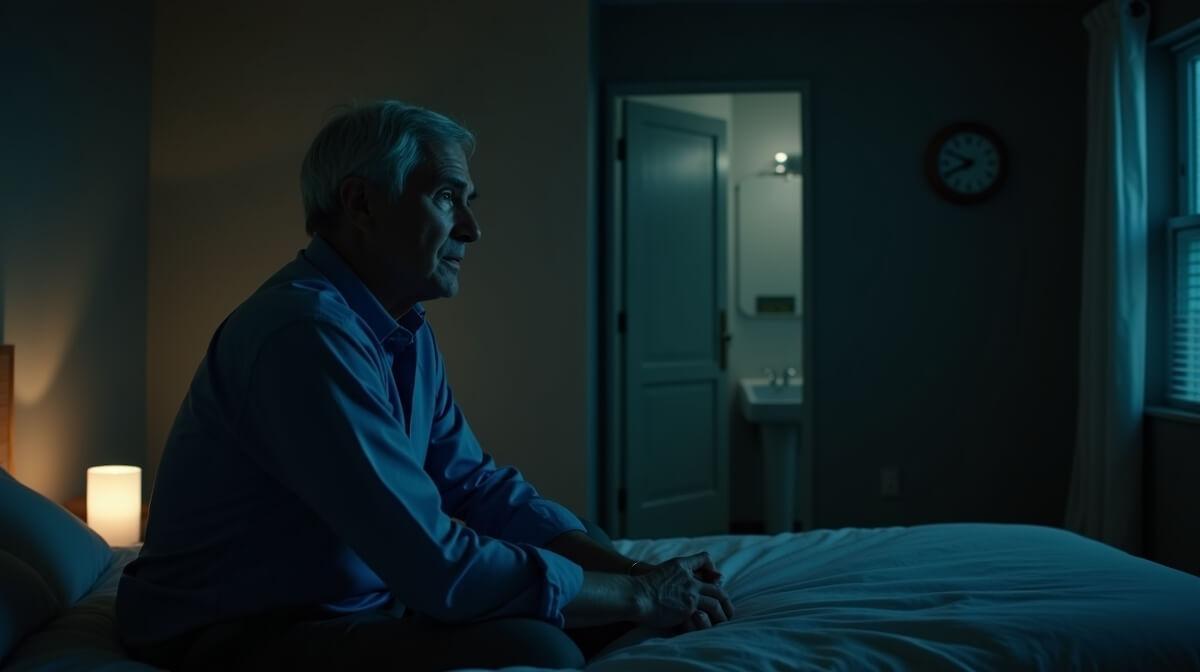
Nocturia is sometimes the earliest clue to broader health concerns. While many cases are benign and manageable with lifestyle changes, certain patterns warrant prompt evaluation. Recognizing red flags can help you avoid complications and get effective treatment sooner.
Below, we review when nocturia may indicate something serious, common medical conditions linked to nighttime urination, and risk factors that increase the likelihood of persistent symptoms.
Can frequent nighttime urination indicate a serious problem?
Yes—especially if it’s new, severe, or accompanied by other symptoms. Red flags include blood in urine, pain or burning with urination, fever, pelvic or back pain, sudden weakness or numbness, swelling in legs, or significant unintentional weight loss. In such cases, seek urgent medical attention.
If you are waking 2 or more times nightly for several weeks despite reasonable fluid timing, or if nocturia suddenly worsens, it’s time for a comprehensive assessment. Sudden changes can reflect urinary tract infection, uncontrolled diabetes, urinary retention, kidney issues, or heart failure flare.
Even without red flags, chronic nocturia can worsen sleep quality and daytime function. Poor sleep is linked to hypertension, impaired glucose tolerance, weight gain, and mood changes. Addressing nocturia is not only about convenience; it supports whole-body health.
Main medical conditions linked to nocturia in men
Common culprits include BPH, overactive bladder (OAB), nocturnal polyuria, and obstructive sleep apnea (OSA). BPH increases resistance to urine flow, causing incomplete emptying and more frequent urges. OAB involves involuntary bladder contractions that reduce storage time, often with urgency.
Nocturnal polyuria means producing a disproportionately large fraction of your 24-hour urine volume at night—often over one-third. This pattern is heavily influenced by hormones, salt balance, and fluid shifts. OSA can elevate atrial natriuretic peptide (ANP), promoting nocturnal diuresis and frequent trips.
Other causes include diabetes (osmotic diuresis), chronic kidney disease, heart failure, diuretic medications, UTIs, prostatitis, and neurological disorders affecting bladder control. Sorting these requires a careful history, targeted testing, and sometimes a bladder diary.
Remember, multiple factors can coexist. For instance, a man with BPH and OSA may benefit from both prostate-directed therapy and optimized CPAP. Treating one while ignoring the other may yield only partial improvement.
What risk factors increase nighttime urination frequency?
Age, male sex, and family history of BPH are established factors. Lifestyle patterns amplify risk: high-salt dinners, late-evening fluids, caffeine or alcohol near bedtime, and sedentary days that promote leg edema. Shift work and irregular sleep schedules also disrupt nocturnal urine rhythms.
Medical comorbidities—hypertension, diabetes, heart or kidney disease, obesity, and untreated OSA—raise the odds of nocturia. Several medications contribute, including diuretics, certain antidepressants (SSRIs/SNRIs), lithium, and some calcium channel blockers. Evening dosing often worsens nighttime symptoms.
Finally, mental health matters. Anxiety and hypervigilance can heighten awareness of bladder sensations, leading to more awakenings. Addressing sleep hygiene, stress, and mood often reduces nighttime trips and improves overall well-being.
Lifestyle and Dietary Triggers for Waking Up to Pee
The fastest improvements often come from small, consistent changes in diet and routine. Many men notice fewer trips within 7–14 days by adjusting fluid timing, evening meals, and sleep habits. This section details the most impactful triggers and how to modify them without overhauling your life.
We will cover specific foods and drinks, how evening routines influence nocturia, and the effect of caffeine and alcohol on sleep and bladder function.
Which foods and drinks make you pee more at night?
High-sodium dinners pull water into your bloodstream and increase urine production for hours. Restaurant takeout, pizza, deli meats, soups, and chips are common culprits. Even seemingly healthy options—sushi soy sauce, rotisserie chicken, or jarred sauces—can be salt-heavy.
Fluids with caffeine (coffee, tea, many sodas, energy drinks) act as mild diuretics and bladder irritants. Citrus juices, carbonated beverages, and artificial sweeteners can irritate the bladder lining in sensitive men, increasing urgency and frequency.
Large volumes of plain water or herbal tea late in the evening can also tip you into nocturia, especially if you’re already prone to OSA, leg swelling, or BPH symptoms. The goal is not dehydration but smart timing and portioning of fluids after mid-afternoon.
| Item | Why it can raise nighttime urination | Better evening alternative |
|---|---|---|
| Salty takeout or pizza | Increases overnight urine via sodium-driven fluid shifts | Home-cooked meal with herbs, low-sodium seasoning |
| Late coffee or energy drinks | Diuretic and bladder stimulant | Decaf early afternoon; avoid after 2–3 p.m. |
| Citrus or carbonated sodas | Irritate bladder in some men | Still water with a small splash of juice earlier in day |
| Beer/wine within 3 hours of bed | Alcohol suppresses ADH, raising nighttime urine | Alcohol with early dinner; skip on weeknights |
| Large “catch-up” water intake at night | Overshoots kidney capacity during sleep | Front-load fluids before 3 p.m.; sip in evening |
Editing just one or two habitual triggers typically reduces one nightly trip within a week. Pairing sodium reduction with caffeine/alcohol timing multiplies the benefit for many men.
How do evening routines and hydration habits affect nocturia?
Evening routines can either set you up for uninterrupted sleep or stack the deck against it. Large dinners close to bedtime increase post-meal urine production and reflux risk. Late workouts may also drive fluid intake late, which then becomes nighttime urine.
Hydration should be front-loaded: aim for most of your daily fluids before mid-afternoon. Between 5–7 p.m., sip small amounts as needed. In the last 2–3 hours before bed, only minimal sips—especially if you’re trying to cut down from multiple nightly trips.
Simple rituals help: urinate right before lights out; elevate legs (or use compression socks during the day) to shift fluid earlier; and schedule a brief relaxation routine to reduce anxiety-triggered awakenings. Over a few nights, your bladder adapts to the new rhythm.
Does caffeine or alcohol worsen nighttime urination?
Yes. Caffeine increases urine production and stimulates the bladder. If you’re sensitive, even a 3 p.m. coffee can disrupt nighttime urinary patterns. Many men benefit from a caffeine cutoff at 2 p.m., or switching to decaf by early afternoon.
Alcohol suppresses ADH, the hormone that reduces urine production at night. A nightcap may make you drowsy initially but fragments sleep later and increases bathroom trips. Beer’s volume adds to the problem. If you choose to drink, finish alcohol at least 3–4 hours before bed and keep portions moderate.
Tracking caffeine and alcohol timing in a 7-day bladder diary clarifies patterns. Men often discover a predictable link between late beverages and nocturnal awakenings, which makes change easier to commit to and measure.
“In clinic, the biggest early wins come from caffeine and alcohol timing. These tweaks cost nothing and often cut one bathroom trip within the first week.”
– Board-certified Urologist
Effective Strategies for Reducing Nighttime Bathroom Trips

This section translates the science into action. You’ll find step-by-step instructions on fluid timing, sleep positions, pelvic floor training, and other tactics that help you sleep through the night. Expect realistic timelines and ways to know if you’re on track.
Pick two or three strategies to start. Implement them consistently for 10–14 days, track changes, and then layer in additional steps as needed. Small, steady progress beats trying everything at once.
How to adjust fluid intake to minimize nocturia
Front-load fluids: aim for 60–70% of your daily intake before 3 p.m. For many men, that’s 40–60 ounces by mid-afternoon if your daily target is 64–80 ounces total. Between 3–6 p.m., drink modestly, and after 7 p.m., take only small sips.
Set a personal cutoff time, usually 2–3 hours before bed. If you exercise in the evening, shift workouts earlier or rehydrate smartly: modest sips, electrolyte-balanced fluids, and a lighter dinner to avoid overshooting nighttime urine production.
Use a 7-day bladder diary to log fluid types, amounts, and void times. Men often discover a “tipping point”—for instance, more than 12 ounces after 6 p.m. reliably leads to two trips. Once you know your threshold, staying under it becomes an easy win.
One exception: if you have kidney stones or a medical directive to maintain high fluid intake, consult your clinician before significant timing changes. The aim is individualized balance—adequate hydration without triggering nocturnal overproduction.
Sleep position and bladder control: What actually helps?
For men with leg edema, elevate the legs for 45–60 minutes in the early evening. This encourages fluid shift earlier and reduces nighttime urine volume. Wearing daytime compression socks also helps if you stand or sit for long periods.
Side-sleeping can reduce snoring and mild OSA, indirectly reducing nocturnal diuresis. If you suspect sleep apnea, a formal evaluation and CPAP or oral appliance can dramatically cut nighttime trips by normalizing nocturnal hormones and oxygen levels.
Before bed, fully empty your bladder—twice if needed. Some men benefit from “double voiding”: urinate, wait a few minutes while seated or standing, then try again to reduce residual urine that might trigger a 2 a.m. urge.
Keep the path to the bathroom clear and dimly lit to avoid falls. Avoid checking the clock during awakenings, which increases stress and makes it harder to return to sleep after a quick bathroom visit.
Pelvic floor exercises and other practical nighttime tips
Pelvic floor (Kegel) exercises strengthen muscles that support the bladder and urethra. For men, the cue is the muscle used to stop urine midstream. Contract for 5 seconds, relax for 5 seconds, repeating 10 times; do 3 sets daily. Build up to longer holds as strength improves.
Bladder training extends the interval between voids. During the day, if you typically urinate every 60 minutes, try extending to 75 minutes for a week, then 90 the next. At night, the improved storage carries over, reducing wake-ups. Progress is gradual but meaningful over 4–8 weeks.
Behavioral anchors help: schedule your last bathroom visit right before bed, keep the bedroom cool and dark, and use white noise to mask minor bladder sensations. If anxiety spikes at night, a 5-minute breathing practice or body scan can prevent a bathroom trip triggered more by worry than by bladder volume.
For men with BPH symptoms, warm baths in the evening can reduce pelvic muscle tension and improve comfort. If constipation contributes to pressure on the bladder, add fiber and hydration earlier in the day to promote regularity and less pelvic pressure at night.
Medical Evaluation and Treatment Options for Nocturia
If lifestyle steps don’t reduce trips after 2–4 weeks—or if you have red flags—seek a medical evaluation. In the U.S., start with your primary care clinician, who can order initial tests and refer to a urologist if needed. Veterans may access evaluation through the VA, and Medicare typically covers appropriate diagnostic testing.
This section outlines when to see a doctor, the tests you can expect, and the evidence-based treatments for BPH, OAB, nocturnal polyuria, and other causes. We also cover pros, cons, costs, and timelines so you know what to anticipate.
When should you see a doctor for nighttime urination?
Book an appointment if you wake 2+ times nightly for more than a month despite reasonable fluid timing, or if symptoms suddenly worsen. Go sooner if you notice blood in urine, fever, burning with urination, pelvic or back pain, or if you cannot urinate at all (urinary retention), which is an emergency.
Consider evaluation if you have strong snoring, observed apnea, or excessive daytime sleepiness. Treating sleep apnea often reduces nocturia and improves overall health. Likewise, if you have swelling in your legs, shortness of breath, or known heart/kidney disease, nocturia may reflect fluid shifts needing medical attention.
Men with diabetes, neurologic conditions, or prostate history should not delay assessment. Early treatment typically yields better outcomes, fewer complications, and a quicker return to better sleep.
Diagnostic exams men can expect and what they reveal
Your clinician will begin with a detailed history, medication review, and physical exam (including a digital rectal exam to assess prostate size and texture when appropriate). You may be asked to keep a 3-day bladder diary capturing fluid intake, void times, and volumes.
Basic labs often include urinalysis (infection, blood, glucose), fasting glucose or A1C (diabetes), and sometimes serum sodium if desmopressin is considered. A PSA blood test may be ordered depending on age and risk factors. Ultrasound can assess kidney and bladder, including post-void residual volume.
Specialized testing may include uroflowmetry (urine flow rate), urodynamics (bladder function and capacity), or cystoscopy (visual inspection of the urethra and bladder) if obstruction or other issues are suspected. For suspected sleep apnea, a home sleep study or in-lab polysomnogram may be recommended.
These tests help identify whether the main issue is nocturnal polyuria (overproduction), storage problems (overactivity or low capacity), or outflow obstruction (BPH). Tailoring treatment to the primary mechanism increases success rates significantly.
What treatments, medications, or interventions are most effective?
Treatment choice depends on cause. For BPH-related nocturia, alpha-blockers like tamsulosin relax the prostate and bladder neck, improving flow within days to weeks. 5-alpha-reductase inhibitors (5-ARIs) like finasteride shrink the prostate over months, reducing obstruction and progression risk. Many men benefit from combination therapy (tamsulosin vs finasteride for nighttime urination is a common discussion—your symptoms and prostate size guide the choice).
For overactive bladder, antimuscarinics (e.g., oxybutynin, solifenacin) or beta-3 agonists (mirabegron) reduce urgency and frequency. Mirabegron tends to have fewer dry mouth/constipation side effects than antimuscarinics, but may raise blood pressure. Behavioral therapy remains foundational alongside medication.
If nocturnal polyuria is dominant, desmopressin can reduce nighttime urine production by mimicking ADH. It’s effective for carefully selected men, but it carries a risk of low sodium (hyponatremia), especially in older adults or those on certain medications. Regular sodium checks are essential. Comparing options (desmopressin vs anticholinergics for nocturia) comes down to mechanism: overproduction vs storage problem.
Other options include timed diuretics (low-dose loop diuretic in late afternoon to shift urine earlier), CPAP for OSA, and addressing leg edema with compression and elevation. For refractory BPH, procedures like UroLift, Rezūm, Aquaablation, or TURP can reduce obstruction. TURP results for nocturia are generally good when obstruction is the main driver, though nocturnal polyuria may persist if not addressed separately.
Some men explore supplements aimed at prostate comfort and pelvic blood flow. If you’re considering a circulation-support approach centered on nitric oxide and improved microvascular function, you may wish to read our ProstAfense review to understand its positioning among lifestyle-first strategies. Always coordinate supplement use with your clinician to avoid interactions.
“Match the treatment to the mechanism. If a man overproduces urine at night, storage-focused drugs won’t help much—and vice versa. The bladder diary often makes this obvious.”
– Sleep Medicine and Urology Specialist
Managing the Emotional Impact and Improving Quality of Life

Nocturia isn’t just a bladder issue—it’s a sleep and quality-of-life issue. Nighttime trips can make you anxious about going to bed, sap daytime energy, and affect intimacy. The solutions here help you regain confidence and protect relationships while medical steps are underway.
Blending practical sleep strategies with communication and support resources keeps progress steady, even if symptoms take weeks to fully improve.
Can nocturia cause fatigue, anxiety, or affect relationships?
Absolutely. Fragmented sleep reduces deep and REM sleep, leading to fatigue, brain fog, irritability, and lower stress resilience. These changes can impact work performance, driving safety, and exercise motivation, creating a cycle that worsens health and nocturia.
Men often worry about disturbing a partner’s sleep, which can lead to separate bedrooms or reduced intimacy. Anxiety about waking wet or smelling of urine (especially in severe cases) can compound stress and avoidance behaviors.
Open communication with your partner about the plan you’re following—fluid timing, leg elevation, scheduled bathroom visit, and medical evaluation—transforms the problem from “your issue” into a shared project, often reducing tension and restoring teamwork.
How to cope with the frustration of interrupted sleep?
Set a 4-week plan with measurable milestones: aim to reduce trips by one within the first 10–14 days, then reassess. Use a sleep and bladder diary to track progress—seeing improvement boosts motivation.
Adopt a brief “awake protocol”: if you wake, keep lights dim, avoid screens, and do a 60–90 second breathing routine. If the urge is mild, try delaying for 5 minutes. If it persists, go, then return to bed without clock-checking. This reduces conditioning of wake-to-bathroom loops.
Protect daytime energy with strategic naps (20–30 minutes, before 3 p.m.), sunlight exposure in the morning, and moderate exercise earlier in the day. These steps improve sleep pressure and circadian rhythm, which can lower awakenings at night.
Support resources for men living with chronic nocturia
Seek clinicians experienced with lower urinary tract symptoms—urologists and sleep specialists if apnea is suspected. Many health systems and the VA offer group education on bladder training and CPAP adherence, which can speed improvement.
Behavioral health resources help if anxiety or rumination fuel awakenings. Cognitive behavioral therapy for insomnia (CBT-I) is particularly effective for breaking cycles of conditioned awakenings and sleep-related worry.
Community support—online forums or local men’s health groups—provides practical tips and accountability. Hearing others’ step-by-step routines can spark ideas and reduce isolation as you work your plan.
| Strategy | Expected timeline | How to measure progress | When to escalate |
|---|---|---|---|
| Fluid timing + sodium awareness | 7–14 days | Nightly trips drop by 0.5–1 | No change after 2 weeks |
| Leg elevation/compression | 3–7 days | Earlier evening urination, fewer 1–3 a.m. trips | No improvement in week 1–2 |
| Caffeine/alcohol cutoff | 3–7 days | Fewer awakenings, deeper sleep reported | Persistent 2+ trips/night |
| Pelvic floor + bladder training | 4–8 weeks | Longer intervals between voids | Plateau at 2+ trips/night |
| OSA evaluation and treatment | 2–6 weeks | Marked drop in nocturnal urine production | Snoring/apnea persists |
| Medication/procedures | Days to months | Symptom scales, bladder diary | Side effects or poor response |
Action Plan: 7 Steps You Can Start Tonight
Use this numbered plan to implement the most impactful changes immediately. Adjust based on your lifestyle and medical advice. Track for 14 days, then review what moved the needle and what needs refinement.
- Set a fluid cutoff time 2–3 hours before bed; limit to small sips after.
- Shift caffeine earlier: none after 2 p.m.; no alcohol within 3–4 hours of bed.
- Reduce dinner sodium; avoid salty takeout. Choose lean protein, veggies, and herbs.
- Elevate legs for 45–60 minutes in the early evening; consider daytime compression socks.
- Double void at bedtime: urinate, wait a few minutes, try again.
- Practice a 5-minute relaxation routine; keep the bedroom cool, dark, and quiet.
- Start a bladder diary: record evening fluids, awakenings, and urine volumes for 7 days.
If you’re exploring circulation-focused support for prostate and pelvic tissues as part of a comprehensive routine, some men consider nitric oxide–supportive approaches; do your due diligence and coordinate care. Supplements like ProstAfense are often reviewed alongside lifestyle measures—ensure any product fits your health profile.
Under the Hood: Mechanisms That Drive Nighttime Urination

Understanding the physiology helps tailor interventions. Three mechanisms dominate: nocturnal polyuria (overproduction), bladder storage/overactivity, and outflow obstruction. Each calls for distinct tactics and has telltale signs in a bladder diary.
Identify the primary pattern, then choose your first-line strategy from the earlier sections. Reassess after 2–4 weeks and escalate care if needed.
Nocturnal polyuria: overproduction at night
Clues: large nighttime urine volumes, leg edema that “disappears” overnight, loud snoring/apnea, and high-salt dinners. The kidney is producing more urine at night than expected, often exceeding one-third of the daily total.
Core fixes: salt and fluid timing, leg elevation/compression, alcohol/caffeine cutoffs, and treating OSA. In drug-therapy cases, desmopressin may be appropriate with strict sodium monitoring. Timed diuretics in late afternoon can also shift urine earlier.
Measure: record evening fluids and overnight volumes. A drop in nighttime volume confirms you’re targeting the right mechanism.
Reduced storage/overactive bladder
Clues: urgency, frequent small voids, and sensitivity to bladder irritants like carbonation or acidic drinks. Urodynamic testing may show detrusor overactivity or low capacity.
Core fixes: bladder training, pelvic floor therapy, minimizing irritants, and if needed, antimuscarinics or beta-3 agonists. Behavioral changes amplify medication benefits and reduce side effects by allowing lower effective doses.
Measure: longer intervals between daytime voids and fewer urgent nighttime awakenings.
Outflow obstruction (BPH)
Clues: weak stream, hesitancy, dribbling, and sense of incomplete emptying. Post-void residual on ultrasound may be elevated. Nocturia here results from incomplete emptying and bladder overactivity from chronic obstruction.
Core fixes: alpha-blockers for rapid symptom relief, 5-ARIs for long-term reduction and progression prevention, or minimally invasive procedures (UroLift, Rezūm) and surgeries (TURP) for durable flow improvement when medications are insufficient.
Measure: improved stream, lower residual volumes, and fewer nighttime awakenings.
Costs, Side Effects, and What to Expect in the U.S.
Practical considerations matter—time, money, and side effects. This section outlines typical experiences in the U.S., helping you choose options that fit your situation and coverage.
Prices and coverage vary by insurer and region; always confirm with your plan. Medicare often covers evaluations and indicated procedures. Low-cost clinics and VA services may offer additional access points for veterans and underinsured men.
Behavioral strategies: time and cost
Fluid timing, sodium cuts, and caffeine/alcohol adjustments are free and often effective within 1–2 weeks. Pelvic floor exercises and bladder training require daily practice for several weeks but cost little. CBT-I programs can be accessed via online platforms or referral and may be covered in part by insurance.
Compression socks range from $15–$60 and can be reused for years. A home leg elevation wedge costs $30–$70. These small investments often pay for themselves in better sleep and fewer medical visits.
Tracking tools—a simple notebook or a free phone app—make progress visible. Seeing data shift is motivating and helps your clinician fine-tune treatment if you escalate care.
Medications: what to know
Alpha-blockers can cause dizziness, low blood pressure, and retrograde ejaculation. Taking the first dose at night may reduce daytime dizziness; use caution when standing quickly. 5-ARIs may lower PSA and can affect libido or ejaculation; benefits accrue over months.
Antimuscarinics may cause dry mouth, constipation, and blurry vision—especially in older adults. Mirabegron may raise blood pressure; periodic BP checks are prudent. Desmopressin’s main risk is hyponatremia; require baseline and follow-up sodium checks and adherence to fluid instructions.
Always review your full medication list with your clinician. Timing adjustments—like moving diuretics to late afternoon—can reduce nocturia without changing the drug itself.
Procedures and recovery
Minimally invasive BPH procedures (UroLift, Rezūm) are often outpatient with quick recovery. They can meaningfully reduce nocturia if obstruction is key. TURP remains a gold standard for larger glands or refractory cases, with typical recovery over days to weeks.
Discuss expectations: many men experience rapid improvements in stream and daytime symptoms, with nocturia decreasing as the bladder stabilizes over weeks. If nocturnal polyuria coexists, additional steps may still be needed.
Follow-up is vital. Schedule check-ins to fine-tune therapy, monitor side effects, and adjust your plan as improvements accrue.
Examples and Scenarios: How to Apply This Tonight

Putting it all together turns theory into results. These short case scenarios illustrate how to match solutions to causes and track outcomes you can feel.
Adjust details to your life—work shifts, family dinners, or exercise time—and repeat what works.
Scenario 1: Early evening edits
Mike, 52, office worker, wakes twice nightly. He drinks iced tea at 5 p.m., has takeout most nights, and watches TV until 11 p.m. He sets a 7:30 p.m. fluid cutoff, moves caffeine to before 2 p.m., cooks low-sodium dinners four nights a week, and elevates legs from 7–8 p.m.
Within one week, he drops to one trip. By week two, with a 5-minute bedtime breathing routine and double voiding, he sleeps through the night twice a week. His diary shows nighttime urine volume cut by 35%.
Takeaway: simple timing and sodium changes often deliver quick wins without medications.
Scenario 2: BPH and incomplete emptying
Carlos, 66, has weak stream and dribbling. He wakes three times nightly even after fluid timing changes. Ultrasound shows elevated post-void residual. He starts tamsulosin and continues lifestyle steps. After two weeks, stream improves and he’s down to one trip.
After a discussion of long-term risks, he adds finasteride. Over six months, he reduces nocturia to zero most nights. He maintains leg elevation due to mild edema and continues a low-sodium dinner pattern.
Takeaway: when obstruction is central, alpha-blockers (and sometimes 5-ARIs) plus habits produce durable results.
Scenario 3: Nocturnal polyuria and sleep apnea
DeShawn, 58, snores loudly and wakes four times nightly with large urine volumes. Fluid timing helps minimally. A home sleep test confirms OSA. He starts CPAP and adopts leg elevation and compression socks.
Within three weeks, nighttime urine volume halves, and he wakes once most nights. Blood pressure and daytime energy improve as well.
Takeaway: treat OSA when present; it’s a major lever for nocturnal urine overproduction.
Scenario 4: Medication timing and diuretics
John, 72, takes a morning and evening diuretic for heart failure. He wakes three to four times nightly. His cardiologist moves the evening dose to late afternoon and adjusts salt targets. John adds leg elevation.
Within 10 days, night trips fall to one. His cardiologist monitors weight and symptoms to ensure heart status remains stable.
Takeaway: do not change meds on your own, but ask about timing—small shifts can dramatically reduce nocturia.
Answers to Common Concerns and Misconceptions
Some myths keep men stuck. Clearing them away accelerates progress and reduces unnecessary worry about prostate cancer or “nothing works” fatalism.
Use these clarifications to sharpen your plan and know when to escalate care.
Is waking to pee a sign of prostate cancer?
Nocturia alone rarely indicates prostate cancer. Cancer often has no urinary symptoms early on and, when symptomatic, tends to involve additional signs. BPH and nocturnal polyuria are far more common causes of nighttime urination.
Appropriate prostate cancer screening should be discussed with your clinician based on age, risk factors, and personal values. A sudden change in symptoms, blood in urine, or pain warrants prompt evaluation regardless.
Focus on identifying your primary nocturia mechanism; most cases respond well to targeted, noninvasive strategies.
Does cutting water in the evening mean dehydration?
No. The goal is timing, not restriction. Front-load fluids earlier in the day to meet your needs, then taper in the evening. If you feel thirsty at night, it may reflect high dinner sodium or earlier underhydration—adjust those factors rather than over-drinking before bed.
If you have conditions that require specific fluid targets (e.g., kidney stones), work with your clinician to balance hydration and nocturia control safely.
Most men find that strategic timing reduces nighttime trips without daytime dehydration or performance penalties.
Frequently Asked Questions About How to Stop Waking Up at Night to Pee

What causes men to wake up multiple times a night to urinate?
Common drivers include nocturnal polyuria (producing too much urine at night), enlarged prostate (BPH) with incomplete emptying, overactive bladder, and sleep apnea. Lifestyle factors—late fluids, high-salt dinners, caffeine or alcohol near bedtime—often magnify symptoms. A bladder diary helps identify your main mechanism, so you can select the most effective fixes. If wake-ups persist at 2+ times nightly after two weeks of lifestyle changes, seek an evaluation.
When should nocturia be considered a serious health problem?
It’s serious if there’s blood in urine, fever, pain, back pain, inability to urinate, or sudden worsening. Also consider urgency if you have heart/kidney disease, swelling in legs, heavy snoring with daytime sleepiness, or uncontrolled diabetes. Even without red flags, chronic nocturia harms sleep and health—get evaluated if you’re waking 2+ times nightly for a month despite reasonable fluid timing.
Which medical conditions are most often linked to frequent nighttime urination in men?
Top conditions include BPH, overactive bladder, nocturnal polyuria, and sleep apnea. Others are diabetes, UTIs, chronic kidney disease, heart failure, and prostatitis. Determining whether you’re overproducing urine, storing poorly, or facing obstruction is the key to selecting effective treatments.
Can certain foods or drinks really make you need to pee at night?
Yes. High-salt dinners, caffeine, alcohol, carbonated and acidic drinks can increase nocturnal urine or irritate the bladder. Many men see improvement by moving caffeine earlier, limiting alcohol within 3–4 hours of bed, and cutting dinner sodium. Track your intake for a week to identify personal triggers.
Does cutting down on water in the evening actually help stop nocturia?
Yes—when done smartly. Shift most fluids to earlier in the day and set a cutoff 2–3 hours before bedtime. Combine with lower dinner sodium, leg elevation, and a pre-bed double void for best results. The aim is balanced hydration without promoting nighttime overproduction.
Are there any exercises that help reduce nighttime bathroom trips?
Pelvic floor (Kegel) exercises and bladder training help increase storage time and control urgency. Do three sets of 10 contractions daily, gradually lengthening holds. Extend daytime intervals between voids over weeks. These practices often reduce both daytime frequency and nighttime awakenings.
How can I train my bladder to go longer without urinating at night?
Use bladder training: if you void every 60 minutes by day, extend to 75 minutes for a week, then 90. Pair with Kegels, reduce bladder irritants, and practice a brief relaxation routine at bedtime. Over 4–8 weeks, capacity and control improve, often translating to fewer nighttime trips.
What are the best over-the-counter or prescription treatments for nocturia?
There’s no one-size-fits-all. For BPH, alpha-blockers (e.g., tamsulosin) and 5-ARIs (finasteride) are mainstays; for OAB, antimuscarinics or mirabegron; for nocturnal polyuria, desmopressin in selected men with sodium monitoring. OTC options are limited; lifestyle strategies are foundational. Always consult your clinician to tailor therapy and avoid interactions.
Does nocturia get worse with age, and can it be reversed?
Nocturia becomes more common with age due to hormonal shifts, prostate enlargement, and comorbidities, but it’s often reversible or significantly reducible. With targeted lifestyle changes, sleep apnea treatment when present, and mechanism-matched therapy, many men reach 0–1 trips/night again.
Can nocturia lead to sleep deprivation or other health complications?
Yes. Repeated awakenings reduce deep and REM sleep, impairing cognition, blood pressure control, glucose metabolism, mood, and driving safety. Treating nocturia protects both sleep and cardiometabolic health. If fatigue or daytime sleepiness persists, speak with your clinician about broader sleep evaluation.
Should I be worried if I suddenly start waking up to pee at night?
Sudden changes warrant attention. Consider UTI, medication timing, high-salt meals, alcohol, or stress. Red flags—blood, fever, pain, or inability to urinate—require urgent care. If no obvious trigger and symptoms persist beyond a week or two, schedule an evaluation.
What steps can I take at home before seeking medical help for nocturia?
Implement the 7-step action plan: fluid cutoff 2–3 hours before bed, earlier caffeine, no late alcohol, low-sodium dinners, leg elevation, double void, and a bladder diary. After 10–14 days, if you’re still up 2+ times nightly, contact your clinician to discuss testing and tailored treatments.
Conclusion
Nighttime urination is common—but not inevitable. By identifying whether your main driver is nighttime overproduction, bladder storage, or obstruction, you can apply targeted strategies that work. Start with fluid timing, sodium awareness, caffeine/alcohol adjustments, leg elevation, and pelvic floor training. Track results for two weeks to confirm progress or reveal the need to escalate care.
If symptoms persist, partner with your clinician for testing and mechanism-matched treatment. Men with sleep apnea, BPH, or medication-related fluid shifts often see major improvements once the right lever is pulled. If you’re also exploring circulation-support approaches centered on nitric oxide and pelvic blood flow, make sure they fit your profile and care plan. Click here to read our full ProstAfense review and see how it’s positioned within a lifestyle-first, safety-forward strategy.
In short
- Most men can reduce to 0–1 trips/night by matching solutions to causes.
- Measure with a 7-day bladder diary; reassess after 10–14 days.
- Escalate to medical evaluation if red flags appear or progress stalls.
Was this guide helpful? Share your experience, what worked for you, and any questions you still have. Your insights help other men reclaim better sleep and health.
Important Health Notice and Disclaimer: The information in this article is educational and not a substitute for professional medical advice, diagnosis, or treatment. Always consult a qualified healthcare professional for personalized guidance, especially if you have heart, kidney, liver disease, sleep apnea, diabetes, neurologic conditions, or take diuretics or other prescription medications. If you experience blood in urine, fever, severe pain, inability to urinate, confusion, fainting, or signs of low sodium (e.g., headache, nausea, seizures), seek urgent care. Any supplement, medication, or procedure should be used under clinician supervision, with appropriate monitoring for side effects and interactions.







Add comment