

 Dr. Lauren Hayes
Last updated: January 9, 2026
If you’ve felt your spark fading—lower drive at work, workouts that feel heavier than they should, or a libido that’s not what it used to be—your prostate might be part of the story. Many men overlook the link between prostate health and energy levels. Yet urinary symptoms, inflammation, and sleep disruption can quietly drain vitality long before serious disease shows up.
This guide connects the dots in plain English. You’ll learn how prostate issues disturb hormones, sleep, circulation, and mood—and what to do next. We cut through confusion about BPH, prostatitis, and screening, and we map decisions step by step, from lifestyle tweaks to doctor visits. No miracle cures. Just practical, U.S.-specific advice grounded in current evidence.
Whether you’re 35 and proactive or 65+ and managing symptoms, you’ll get an actionable plan to reduce nighttime urination, restore stamina, and regain confidence—without wasting time or money.
Key takeaways
- Prostate symptoms often sap energy by disrupting sleep, stressing the nervous system, and altering hormones.
- Nocturia is a major driver of daytime fatigue; fixing sleep often restores vigor.
- Evidence-based diet, exercise, pelvic floor training, and targeted treatments can lift energy within weeks.
- Screening and care pathways differ by age and risk; shared decision-making is essential in the U.S.
- Supplements can help some men, but quality, dosing, and realistic expectations matter.
Ready to rebuild your energy with a prostate-first approach? Keep reading for a complete, step-by-step roadmap.
Prostate health and energy: the hidden connection
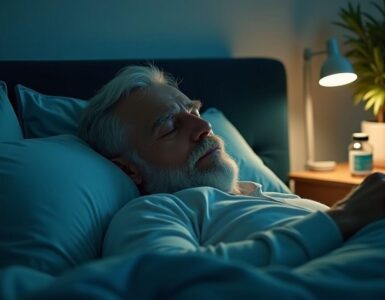
Most men don’t immediately connect urinary symptoms with their daytime energy. But the pathways are direct. Light, fragmented sleep from nighttime urination reduces deep sleep—where growth hormone pulses, testosterone stabilizes, and the brain clears metabolic waste. Inflammation can amplify brain fog, and the constant urge to urinate ramps up stress signals that wear you down.
Understanding the body-wide effects helps you act sooner. By addressing prostate symptoms, you can often restore stamina, sharpen focus, and improve mood. Let’s break down the mechanisms and the everyday patterns that tie urinary health to how you feel from morning to night.
How prostate health influences metabolism, sleep, and mood
Sleep architecture suffers when you wake to pee two or three times a night. Even if you fall back asleep quickly, you lose slow-wave and REM periods that drive memory consolidation, testosterone balance, and mitochondrial recovery. After a week of interrupted sleep, studies show declines in insulin sensitivity and increased perceived exertion during exercise. The result is fewer reps, slower runs, and a creeping sense of burnout.
On the metabolic side, chronic low-grade inflammation common in prostatitis can raise cytokines like IL-6 and TNF-α. These signals increase fatigue perception and reduce the brain’s motivation circuitry. Men describe this as “motivation without gas”—you want to train, but your body won’t cooperate. Contrast days after a solid seven-hour sleep; energy feels automatic.
Mood follows biology. Irritability grows when bladder urgency controls your schedule. Missed social events or a long commute with no restroom can build anxiety. Over time, this stress loads your autonomic nervous system, elevating heart rate, tightening pelvic muscles, and feeding a loop that worsens urinary symptoms. Breaking the cycle demands work on sleep, pelvic floor, and stress—not just the prostate itself.
Circulation is another piece. Healthy vascular function depends on nitric oxide and responsive blood vessels to support urinary and sexual function. When pelvic inflammation narrows the “pipes,” both urination and erections can struggle. That’s why men often notice energy and sexual performance improving together as pelvic health recovers—better flow supports both.
Finally, think “time tax.” Frequent bathroom trips and poor sleep steal minutes that would otherwise go to training, meal prep, or family. Over a month, that’s hours of lost recovery and routine. As you address root causes, you reclaim time—and the energy that comes with consistent habits.
Can an enlarged prostate cause fatigue and brain fog?
Benign prostatic hyperplasia (BPH) can contribute to daytime fatigue in two main ways: sleep fragmentation from nocturia and constant low-level stress from urgency/hesitancy. Imagine a smartphone stuck in low-power mode—it still runs, but every task drags. After weeks, brain fog creeps in. Energy feels blunted, even when lab work is normal.
Here’s a simple example. If you wake three times nightly, you might lose roughly 90 minutes of deep/REM sleep. Over five workdays, that’s 7–8 hours of lost recovery—almost an entire night. Over a month, it’s like skipping a full weekend of sleep. Remove just one wake-up, and many men report a 10–20% improvement in perceived energy and gym performance.
Men with BPH also strain during urination, which increases pelvic floor tension. Tense muscles become less efficient. Like clenching your jaw all day, that tension is tiring. Reducing outlet obstruction and retraining the pelvic floor can lift a surprising amount of fatigue.
While BPH itself doesn’t directly “cause” systemic disease, its ripple effects are real. The good news: when symptoms are treated—whether with behavior changes, medications, devices, or procedures—fatigue often improves within weeks as sleep normalizes.
How prostatitis-related inflammation saps vitality
Prostatitis isn’t one condition. Acute bacterial prostatitis causes fever, chills, and urgent care visits. Chronic bacterial prostatitis features recurrent UTIs. Chronic pelvic pain syndrome (CP/CPPS)—the most common form—includes pelvic/perineal pain, urinary symptoms, and sexual dysfunction without an identifiable infection. Energy dips tend to be most persistent in CP/CPPS due to ongoing inflammatory and neurologic inputs.
Inflammation communicates with the brain through cytokines, increasing fatigue, reducing dopamine signaling, and shifting sleep architecture. Some men notice flu-like malaise during flares. Others feel wiped out after ejaculation because inflammation transiently spikes pain and triggers muscle guarding. Addressing inflammation with gentle activity, targeted pelvic floor therapy, stress reduction, and—when appropriate—medications can steadily shrink fatigue.
Diet matters as well. High-glycemic foods, alcohol, and spicy/acidic items can irritate the bladder and prostate, making symptoms flare at night. On the flip side, anti-inflammatory patterns (Mediterranean-leaning, higher in omega-3s and polyphenols) are associated with fewer flares and better energy.
Think of CP/CPPS management as reducing “background noise” so your body can route resources toward energy, not alarm signals. Over 4–8 weeks, men often report improved stamina and fewer bad days as flares diminish.
Why prostate problems drain vitality: biology made simple

From a biology lens, three systems do the heavy lifting: sleep regulation, hormonal balance, and autonomic nervous system tone. Prostate issues can nudge each of these in the wrong direction. The result is less restorative sleep, altered testosterone signaling, and a stress-dominant nervous system—each subtracting from your daily fuel.
We’ll simplify how nocturia, hormones, and pelvic stress interact. The goal isn’t memorizing pathways; it’s knowing which lever to pull first for the biggest energy returns.
Nocturia and sleep loss: the downstream energy crash
When you wake to urinate, you interrupt cycles that repair muscle, calm the immune system, and stabilize mood. Even one wake-up in the first third of the night can truncate slow-wave sleep—the “body repair” stage. Multiple wake-ups later in the night carve into REM—the “brain recovery” stage. Together, you get a double hit: weaker muscles and foggy thinking.
Men often underestimate how much one fewer nocturia episode helps. A practical goal is to move from three wake-ups to one over 30 days. Strategies include earlier fluid cutoff, pelvic floor downtraining, reducing evening alcohol, and treating sleep apnea if present. Add consistent bed/wake times, and energy rebounds quickly.
“Fixing nocturia is one of the fastest ways to restore daytime energy in men over 40. Protect deep sleep and everything from testosterone to mood starts trending up.”
– Board-Certified Sleep Medicine Specialist
Another factor is bladder sensitivity. Caffeine, carbonation, and acidic foods can create “false alarms,” waking you without a full bladder. Removing triggers even four hours before bed can normalize sleep continuity.
Finally, if you snore, wake gasping, or feel unrefreshed, screen for obstructive sleep apnea (OSA). OSA and nocturia often travel together; treating OSA can reduce nighttime urination and dramatically improve energy.
Hormones 101: testosterone, DHT, estrogen, and energy
Stable testosterone supports muscle, mood, and motivation. Dihydrotestosterone (DHT) primarily acts locally in the prostate, influencing growth. Estradiol (an estrogen) matters for bone, brain, and vascular health. None of these hormones act in isolation. Sleep loss, inflammation, and medications can shift the balance, subtly lowering drive and stamina.
Short-term sleep restriction can drop morning testosterone by 10–15%. Over months, men report decreased morning erections, lower training loads, and blah mood. Correcting sleep and managing nocturia often normalizes levels without direct hormone therapy.
Circulation ties in here too. Nitric oxide (NO) relaxes blood vessels, supporting erectile quality and pelvic organ perfusion. Early improvements in NO signaling often parallel better sexual performance and more consistent energy during the day. That’s one reason some men explore evidence-informed circulation support, including diet, exercise, and select supplements like ProstAfense that focus on NO and blood flow.
What about testosterone therapy (TRT)? For appropriately evaluated men with documented hypogonadism and symptoms, TRT can improve energy and libido. Current evidence suggests that, with proper monitoring, TRT does not meaningfully increase prostate cancer risk in most men; however, it can raise PSA and may worsen BPH symptoms in some. Shared decision-making, baseline PSA/DRE, and ongoing monitoring are mandatory.
| Hormone | Main role for energy | Prostate considerations | What helps |
|---|---|---|---|
| Testosterone | Motivation, muscle, mood | May rise PSA; watch BPH symptoms | Sleep, resistance training, weight management |
| DHT | Local androgen signaling | Drives prostate growth in BPH | 5-ARIs lower DHT (finasteride/dutasteride) |
| Estradiol | Vascular, brain, bone | Balance with T matters | Body fat reduction, avoid excess alcohol |
| Nitric Oxide | Blood flow, oxygen delivery | Supports pelvic perfusion | Aerobic exercise, beets/greens, targeted support |
Bottom line: Fix sleep, train consistently, reduce visceral fat, and manage inflammation first. If fatigue persists, discuss labs (morning total/free T, SHBG) and risks/benefits of TRT with your clinician.
Pelvic pain, stress signals, and nervous system overload
Persistent urinary urgency and pelvic pain can keep your fight-or-flight system “on.” Elevated sympathetic tone tightens pelvic floor muscles, reduces bladder capacity, and shifts breathing to a shallow chest pattern. That costs energy. You’re expending fuel just to hold tension.
Pelvic floor downtraining—learning to identify and relax overactive muscles—helps many men. Combine diaphragmatic breathing (4 seconds inhale, 6 seconds exhale), warm baths or heat, and brief “relax breaks” after bathroom trips. Over one to two weeks, urgency often softens, and energy returns.
Biofeedback-guided pelvic PT is a game-changer for CP/CPPS. Therapists coach targeted relaxation and gradual exposure to activities that once flared pain. The goal isn’t a “perfect” pelvic floor; it’s a responsive one that alternates between engagement and release.
How to evaluate prostate health when low energy strikes
Fatigue has many causes, and the prostate is just one. A systematic approach rules out common culprits, identifies prostate-specific issues, and builds a plan that fits your age, risks, and insurance situation in the U.S. Don’t guess blindly; a few targeted tests plus symptom tracking can save months.
This section gives you a practical filter: when to think “it’s the prostate,” which labs and imaging matter, and when to escalate from primary care to a urologist.
Signs it’s the prostate vs. something else causing fatigue
Clues pointing toward the prostate include urinary frequency, urgency, weak stream, hesitancy, dribbling, feeling incompletely empty, or pelvic/perineal discomfort. Nocturia—especially two or more wake-ups—is a strong predictor that urinary issues are disturbing sleep and energy.
Patterns matter. If fatigue worsens on nights with more wake-ups, and improves when you reduce evening fluids or alcohol, the prostate-bladder axis is likely involved. If ejaculation triggers pelvic aching or burning, prostatitis/CPPS should be on the radar.
By contrast, pure systemic fatigue without urinary symptoms suggests other causes such as anemia, thyroid dysfunction, depression, or sleep apnea. Diffuse muscle pain or profound exercise intolerance might suggest medication side effects, viral illness, or nutrient deficiencies.
Use a two-week diary: note bathroom trips, fluid timing, irritants, sleep hours, snoring, and energy (0–10 scale). The “fingerprint” often emerges quickly, guiding next steps.
Finally, consider age and risk. For men 50–69, BPH becomes common. For men under 45, prostatitis or pelvic floor dysfunction is more likely than BPH. Family history, Black/African American heritage, or BRCA mutations elevate prostate cancer risk and warrant earlier discussion of screening.
Key tests: PSA, urinalysis, DRE, and imaging explained
The initial evaluation is straightforward. Your clinician will tailor tests to your history and risk. Here’s what typically matters, and why.
- Urinalysis and urine culture: Rules out infection and blood in urine. Quick, office-based, covered by most insurance.
- PSA (prostate-specific antigen): A protein that rises with prostate enlargement, inflammation, or cancer. Not a cancer test by itself—context and trends matter.
- DRE (digital rectal exam): Brief palpation for size, symmetry, and nodules. Uncomfortable but quick; can add clarity alongside PSA.
- Post-void residual (PVR) ultrasound: Measures leftover urine after voiding. High PVR suggests obstruction or poor bladder contraction.
- Prostate ultrasound or MRI: Considered if PSA is persistently elevated or exam is concerning; MRI improves risk stratification before biopsy.
- STI screening: For younger men or those with urethral symptoms; infections can mimic prostatitis.
- Symptom scores (IPSS/AUA-SI): Quantifies severity and tracks progress; aim for a 3–5 point improvement with treatment.
PSA age context in practice: while “normal” ranges vary, clinicians often discuss approximate reference patterns (e.g., many men 40s ≤2.5 ng/mL, 50s ≤3.5, 60s ≤4.5). What’s more important is individual baseline and velocity over time. A single mildly elevated PSA may normalize after treating prostatitis or skipping ejaculation/biking for 48 hours before repeat testing.
“PSA is a signal, not a verdict. We look at the man in front of us—symptoms, exam, risk factors, and PSA trends—before making biopsy decisions.”
– U.S. Board-Certified Urologist
Screening guidance snapshot (U.S.): The USPSTF recommends shared decision-making for PSA screening in men 55–69 and generally advises against routine screening at 70+. The AUA supports individualized screening starting at 45–50, earlier (40–45) for higher-risk men (Black/African American, strong family history). Ask about costs; many employer plans and Medicare cover age-appropriate PSA testing. For “PSA test near me same day,” urgent care and independent labs can often accommodate—a good option if anxiety is high and timing matters.
Rule-outs: anemia, thyroid issues, diabetes, sleep apnea
Fatigue that persists—even if your urinary symptoms are modest—deserves a broader look. Basic labs (CBC, CMP), iron studies, vitamin B12, TSH/free T4, fasting glucose or A1c, and morning testosterone can catch common culprits. Many of these are covered with primary care visits.
Sleep apnea is a heavyweight cause of fatigue in men, especially with snoring, large neck circumference, or hypertension. A home sleep test is convenient and often covered. Treating OSA can reduce nocturia and revive energy within weeks.
Medications matter too: antihistamines, sedatives, certain antidepressants, and even some blood pressure meds can worsen urinary symptoms and fatigue. Review your medication list with your clinician to align energy and urinary goals.
Finally, mental health counts. Chronic anxiety or low mood can magnify urinary sensations and drain motivation. Brief screening questionnaires and targeted therapy can be as restorative as any supplement.
When to see a primary care doctor vs. a urologist
Start with primary care for first-line evaluation, basic labs, urinalysis, and discussions about PSA and DRE. If symptoms persist after initial measures—or red flags exist—ask for a urology referral. Searching “urologist near me for prostate symptoms” plus your insurance plan helps identify in-network options.
See a urologist promptly for recurrent infections, blood in urine, abnormal DRE, rising PSA, severe nocturia, urinary retention, or pain not responding to conservative care. Men considering procedures for BPH (e.g., UroLift, Rezūm, TURP) should go straight to urology to review pros/cons.
Diet, exercise, and habits to boost energy and prostate health

Energy recovery starts with the basics: nutrition, movement, sleep, and triggers. Anti-inflammatory eating stabilizes blood sugar and reduces pelvic flares. Exercise improves nitric oxide signaling, insulin sensitivity, and mood. Sleep and stress practices protect hormones. Together, they’re more potent than any pill.
Use the next sections to design a routine that fits your schedule and budget. Sustainable beats perfect.
Best diet for prostate health and steady energy levels
A Mediterranean-style pattern consistently supports men’s health: colorful vegetables, fruits, legumes, whole grains, nuts, extra-virgin olive oil, fish 2–3x/week, and modest poultry/eggs. Limit refined grains, added sugars, ultra-processed foods, and excessive red/processed meat. This approach lowers systemic inflammation and improves cardiometabolic markers—key for both prostate and energy.
Specific prostate-friendly choices include tomatoes (lycopene), cruciferous vegetables (sulforaphane), berries (polyphenols), green tea (catechins), and fatty fish (omega-3s). Hydrate earlier in the day and taper after 6–7 pm to reduce nocturia. If you train in the evening, front-load fluids and electrolytes pre-workout to avoid late-night refills.
Watch bladder irritants: caffeine, alcohol, carbonation, spicy foods, citrus, and artificial sweeteners commonly increase urgency. Test one at a time; remove the worst offenders after 3–5 days of tracking.
Macros for steady energy: aim for protein at 1.0–1.2 g/kg/day (higher if lifting), high-fiber carbs centered around activity windows, and healthy fats from olive oil, nuts, seeds, and fish. Most men do best with 20–30g protein per meal and at least 25–30g fiber/day.
Budget example: Swap a $9 takeout lunch for a $3 bowl—canned salmon over quinoa with olive oil, lemon, and frozen broccoli—high in omega-3s and fiber, easy on the prostate, and steady on energy.
Exercise for prostate health: cardio, strength, pelvic floor
Cardio boosts nitric oxide and vascular health. Three 30–40 minute sessions per week—brisk walking, cycling, or swimming—improve endothelial function and energy. A simple benchmark: a brisk walk that raises your heart rate but lets you talk in short sentences.
Strength training preserves muscle and testosterone signaling. Two to three full-body sessions weekly work well: squats or leg presses, hinges (deadlifts/hip thrusts), pushes, pulls, and carries. Aim for 6–10 hard sets per muscle group weekly. Keep one session earlier in the day if nocturia worsens with late training.
Pelvic floor work matters, but not just “Kegels.” Many men with urgency over-recruit the pelvic floor. Practice relaxation first: 5 minutes of diaphragmatic breathing, then gentle contractions with full releases. Try 3 sets of 8 slow contractions daily, holding 3 seconds up, 6 seconds down, without clenching glutes or abs.
Progression example: Week 1–2 focus on breathing and long holds; Week 3–4 add quick flicks; Week 5–6 integrate during triggers (e.g., key-in-the-door urgency). Pair with posture and hip mobility to reduce tension.
Energy math: A 40-minute brisk walk burns ~250 kcal and potentiates sleep. Combine with two strength days and you’ll feel a cleaner “on-switch” during the day and less restlessness at night.
Sleep, stress, and weight management that fight fatigue
Sleep consistency beats perfection. Anchor bedtime and wake time seven days a week, and protect a 30-minute wind-down (dim lights, stretch, light reading). Avoid screens in bed. If you wake to pee, keep lights low, avoid checking your phone, and practice two slow breaths before returning to sleep.
Stress leaks energy. Short “micro-recovery” breaks—60 seconds of box breathing every two hours—reduce sympathetic tone. Standing sunlight exposure in the morning helps circadian alignment. If racing thoughts dominate at night, try a 3-minute “brain dump” on paper before lights out.
Weight loss of even 5–10% in men with overweight can reduce nocturia by lowering abdominal pressure and improving insulin sensitivity. Focus on protein-forward meals, high-fiber carbs, and replacing late-night snacks with herbal tea.
Consider CBT-I (cognitive behavioral therapy for insomnia) if sleep won’t budge. It outperforms sleep meds long-term and pairs well with nocturia strategies.
Combine these with targeted daytime exercise, and you’ll often see energy tick up within 10–14 days.
Caffeine, alcohol, and irritants: what to limit for energy
Caffeine is a double-edged sword. It sharpens focus but irritates the bladder and lingers for hours. Set a caffeine curfew 8–10 hours before bedtime. If you wake to pee more than twice nightly, consider switching afternoon coffee for decaf or herbal tea.
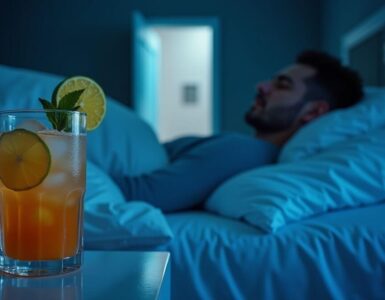
Alcohol lightens inhibition but disrupts sleep architecture and increases nighttime urine production. Many men feel better energy by capping to 0–1 drinks on weeknights and avoiding alcohol within three hours of bed. Carbonation and citrus mixers can compound urgency.
Common irritants to test off for 3–5 days: coffee, black tea, energy drinks, alcohol, carbonated water, hot peppers, tomato-heavy dinners, citrus, chocolate, and artificial sweeteners. Reintroduce one at a time to identify your personal triggers.
- Cut off fluids 2–3 hours before bed (except small sips).
- Choose non-citrus, non-spicy dinners.
- Swap late coffee for chamomile or rooibos.
- Limit carbonation after 2 pm.
- Replace artificial sweeteners with small amounts of honey or stevia, if tolerated.
Treatments and supplements for prostate health and energy
Effective treatment aligns symptom relief with your energy goals. Some medications ease flow but cause fatigue; others improve both urinary symptoms and vitality. Supplements can help selective men, but quality and expectations matter. Let’s compare options and discuss how to minimize side effects.
Always loop in your clinician—especially if you take blood pressure meds, anticoagulants, or have heart, liver, or kidney conditions.
Medications for BPH and prostatitis: benefits and fatigue risks
Alpha-blockers (tamsulosin, alfuzosin, silodosin) relax the prostate/bladder neck to improve flow within days. Pros: quick symptom relief. Cons: dizziness, orthostatic hypotension, and sometimes ejaculatory changes or fatigue. If “tamsulosin tiredness” hits, ask about dose timing (bedtime) or alternative agents with different side-effect profiles.
5-alpha-reductase inhibitors (finasteride, dutasteride) shrink the prostate over months by lowering DHT. Pros: reduce progression and retention risk. Cons: sexual side effects, mood changes, and fatigue in a subset. If you’re seeking a “finasteride fatigue fix,” discuss splitting doses, monitoring mood/energy, or combining with lifestyle or alternative therapies. Never stop prescription meds without guidance.
For prostatitis: antibiotics only help when bacterial infection is documented or highly suspected. Overuse can disrupt gut health and energy. Nonbacterial CP/CPPS often responds better to pelvic PT, anti-inflammatories, neuromodulators, and stress reduction.
NSAIDs or short courses of prescription anti-inflammatories can reduce pelvic pain and urgency during flares—use judiciously due to GI and kidney risks. Some clinicians add low-dose tricyclics or gabapentinoids for neuropathic pelvic pain, though sedation can be limiting.
Procedural options for BPH (UroLift, Rezūm, iTind, TURP, HOLEP) vary in invasiveness and side effects; many men see improved sleep and energy once nocturia drops. Discuss durability, sexual side effects, and recovery timelines with your urologist.
Tamsulosin vs. tadalafil: which helps symptoms and energy?
Both can improve urinary symptoms. Tamsulosin acts on alpha-1 receptors to relax the outlet. Tadalafil (a PDE5 inhibitor), taken daily at low dose (often 5 mg), enhances nitric oxide signaling and pelvic blood flow, helping LUTS (lower urinary tract symptoms) and erectile function. Many men report better mood and energy on tadalafil compared with some alpha-blockers, likely because it supports sexual function and doesn’t cause as much orthostatic fatigue.
However, tadalafil can cause headaches, flushing, and nasal congestion. It’s unsafe with nitrates and should be used cautiously with certain blood pressure medications. If you’re exercise-oriented and sensitive to dizziness, tadalafil monotherapy or in combination may align better with daytime energy, but individual response varies.
Discuss your priorities: If dizziness or fatigue derailed alpha-blockers, or if ED coexists with urinary symptoms, tadalafil may be worth a trial. Conversely, if cost or contraindications limit PDE5 inhibitors, another alpha-blocker or dose schedule may work.
Remember that pelvic circulation and nitric oxide support often parallel improvements in vitality. Some men complement therapy with lifestyle and vascular-focused support to reinforce blood flow gains.
Do supplements like saw palmetto and beta-sitosterol work?
The evidence is mixed but encouraging for certain compounds. Beta-sitosterol has the most consistent data for symptom improvement in BPH, particularly for flow and incomplete emptying. Saw palmetto shows variable results—quality and extraction methods matter. Pygeum and rye grass pollen have modest evidence. Quercetin may help CP/CPPS by reducing inflammation and oxidative stress.
For energy, the pathway is indirect: reducing nocturia and pelvic irritation helps sleep and recovery. Ingredients that support nitric oxide and microcirculation may also aid energy and sexual function. If you’re evaluating options, read labels, look for research-backed doses, and understand the expected timelines (often 4–8 weeks) for urinary changes that can, in turn, lift daytime energy.
Circulation-first approaches are popular because improved blood flow benefits both urinary and sexual domains. If you’re exploring vascular support, read our ProstAfense review to understand how nitric oxide and pelvic circulation strategies might complement lifestyle and medical care.
Temper expectations: supplements aren’t a substitute for addressing sleep, diet, exercise, or medical conditions. Use them as a layer, not a foundation, and coordinate with your care team to avoid interactions.
Quality, dosing, and safety: interactions and US regulation
In the U.S., supplements are regulated under DSHEA (1994) as foods, not drugs. This means products can vary widely in potency and purity. Prefer brands with third-party testing (USP, NSF, Informed Choice) and transparent sourcing. Avoid proprietary blends that hide doses, and be skeptical of “miracle” claims.
Common interactions: saw palmetto may potentiate anticoagulants/antiplatelets; pygeum can interact with certain meds; quercetin can influence drug-metabolizing enzymes. If you take blood thinners, antiarrhythmics, or anticonvulsants, consult your clinician before starting anything new.
Dosing must match the evidence. For example, beta-sitosterol isolates in trials often used 60–130 mg/day. Saw palmetto extracts typically use 160 mg twice daily of standardized liposterolic extract. Lower doses may simply not work.
Safety rule: introduce one change at a time—whether a supplement or a medication—and track symptoms for 2–4 weeks. This protects you from confounding effects and helps your clinician troubleshoot if something goes sideways.
Your 30-day plan to restore vitality with prostate care

You don’t need to overhaul everything at once. A structured 30-day sprint can cut nocturia, reboot sleep, and lift energy meaningfully. Use your diary to personalize, then build momentum. Most men feel a shift by day 10–14 when sleep improves.
Below is a week-by-week framework. Adjust for your schedule, medications, and doctor’s advice.
Week-by-week actions to reduce nocturia and boost energy
Week 1: Assess and subtract. Track nighttime wakes, total fluids, and irritants. Set a 7 pm fluid taper. Swap alcohol for herbal tea. Begin diaphragmatic breathing 5 minutes twice daily. Start two 30-minute brisk walks.
Week 2: Add the basics. Introduce a Mediterranean-leaning meal plan: protein at each meal, veggies at lunch/dinner, and 25–30g fiber/day. Start two full-body strength sessions. Practice pelvic floor relaxation, then light contractions with full releases (3x/week).
Week 3: Target symptoms. If urgency persists, identify your top two irritants and cut them for five days. Shift cardio earlier if late sessions worsen sleep. If nocturia ≥3, discuss evening dose timing of meds or ask your clinician about alternatives (e.g., alpha-blocker to bedtime, considering tadalafil, or addressing sleep apnea risk).
Week 4: Consolidate gains. Maintain habits, refine triggers, and consider targeted support for circulation and pelvic comfort if progress has plateaued. Book follow-up labs or urology consult if red flags emerged.
- Goalpost: reduce nocturia by at least one episode.
- Energy target: +2 points on your 0–10 daily energy scale.
- Sleep target: +45–60 minutes of total sleep time.
Tracking wins: energy scores, sleep, and bathroom visits
Use simple metrics to prove progress to yourself and your clinician. Each morning, record: total sleep time, number of wake-ups to urinate, perceived energy (0–10), and mood (0–10). Add weekly averages of steps, workouts completed, and any side effects from medications or supplements.
Seven-plus data points give clarity without overload. If nocturia falls from three to one, sleep rises by 45 minutes, and energy increases from 5 to 7, you’re on the right track—even if symptoms aren’t perfect yet. Share your log at appointments to streamline decisions.
For wearables, focus on trends: earlier bedtimes, fewer wake-ups, and increased deep sleep minutes. But don’t chase every metric—consistency wins.
- Daily energy (0–10)
- Night wake-ups to urinate
- Total sleep time
- Step count or minutes of cardio
- Strength sessions completed
- Pelvic floor sessions completed
- Triggers consumed (Y/N) after 4 pm
When to escalate care: red flags and expected timelines
Seek urgent evaluation for fever with pelvic pain, inability to urinate, visible blood in urine, or severe back/hip pain with weight loss. These aren’t “watch and wait” symptoms. For persistent nocturia ≥3 after two to four weeks of lifestyle changes, talk to your clinician about medication adjustments, OSA evaluation, or procedures if obstruction is significant.
Expected timelines: alpha-blockers may help in days; 5-ARIs in months; pelvic PT in 4–8 weeks; diet/sleep changes in 1–2 weeks; weight loss benefits scale over 4–12 weeks. Supplements typically require 4–8 weeks to judge fairly.
If fatigue remains high despite improved urinary symptoms, broaden the search: anemia, thyroid, depression, medication side effects, or low testosterone may be contributors. Don’t hesitate to ask for a full review.
Remember: progress isn’t linear. Stabilize one nocturia-free night, then another. Energy follows.
Frequently Asked Questions About Prostate Health, Energy, and Vitality
Can an enlarged prostate really cause fatigue and low energy?
Yes—indirectly but powerfully. BPH increases nighttime urination (nocturia), fragmenting deep and REM sleep that restore muscles, hormones, and focus. Even one fewer wake-up can yield noticeable daytime gains. Straining to void and constant urgency also ramp up stress, which drains energy. Treating urinary symptoms, retraining the pelvic floor, and removing irritants often lift energy within weeks, especially as sleep improves.
Does chronic prostatitis make you tired, and how long can it last?
Chronic prostatitis/CPPS can cause persistent fatigue via inflammatory signals, pelvic muscle guarding, and sleep disruption. Flares may last weeks to months without targeted care. Combining gentle activity, anti-inflammatory nutrition, pelvic floor downtraining, stress reduction, and—when appropriate—medications often reduces flares within 4–8 weeks. Tracking triggers (alcohol, spicy foods, stress) accelerates progress and helps your clinician personalize treatment.
How fast can energy improve after starting BPH treatment?
Some improvements appear in days if nocturia drops and sleep consolidates. Alpha-blockers often ease flow quickly; procedures can reduce nighttime wakes within weeks. Diet, fluid timing, and pelvic floor work usually show benefits in 1–2 weeks. If you use 5-alpha-reductase inhibitors, expect months for prostate size changes, but sleep-focused strategies can still boost energy sooner. Measure progress with an energy score, sleep time, and bathroom-count log.
Which foods and diet patterns best support prostate health and energy?
A Mediterranean-style pattern—vegetables, fruits, legumes, whole grains, nuts, extra-virgin olive oil, and fatty fish—supports lower inflammation and steadier energy. Tomato products (lycopene), cruciferous vegetables (sulforaphane), berries, and green tea are standouts. Limit late fluids, alcohol, caffeine, and spicy/acidic dishes near bedtime to cut nocturia. Aim for 25–30g fiber daily and protein at each meal to stabilize blood sugar and protect muscle.
Do supplements like saw palmetto or beta-sitosterol actually help?
Evidence is mixed but supportive for some men. Beta-sitosterol shows the most consistent improvements in urinary flow and emptying. Saw palmetto results vary by extract and dose. Pygeum, rye grass pollen, and quercetin can help select profiles, especially with CP/CPPS. Expect 4–8 weeks for meaningful changes, and pair supplements with sleep, diet, and pelvic strategies. Choose third-party tested products and discuss interactions with your clinician.
Can tamsulosin, finasteride, or antibiotics cause fatigue?
They can. Tamsulosin and other alpha-blockers may cause dizziness, orthostatic symptoms, and tiredness. Finasteride/dutasteride can affect libido, mood, and energy in a subset. Antibiotics, when unnecessary or prolonged, can disrupt gut health and sap vitality. If fatigue is new or worsening, talk with your clinician about dose timing, alternative agents (e.g., tadalafil for LUTS/ED overlap), or non-drug strategies to meet your symptom and energy goals.
Is low testosterone behind my fatigue, and is TRT safe for the prostate?
Low testosterone can contribute to fatigue, low mood, and reduced exercise capacity. Start with fundamentals—sleep, training, weight management—because sleep loss alone can lower T. If symptoms persist, discuss morning total/free testosterone testing. For appropriately diagnosed hypogonadism, TRT may help. With monitoring, current data suggests no major increase in prostate cancer risk for most men, but PSA can rise and BPH symptoms may shift. Shared decision-making is key.
Does waking to pee at night (nocturia) drain daytime energy? How to fix it?
Yes. Nocturia fragments deep and REM sleep, undermining hormone balance and brain recovery. To reduce wake-ups, taper fluids after 6–7 pm, limit alcohol/caffeine late, remove bladder irritants, practice pelvic floor relaxation, and anchor consistent bed/wake times. If snoring or nonrestorative sleep persists, screen for sleep apnea. Medications and procedures can help when obstruction or overactive bladder contributes. Track progress with a log for two weeks.
What tests should I ask my doctor for if I have low energy and prostate symptoms?
Start with urinalysis/culture, PSA, DRE, and a symptom score (IPSS/AUA-SI). Add PVR ultrasound if emptying feels incomplete. For fatigue, consider CBC, CMP, iron studies, B12, TSH/free T4, A1c, and morning testosterone. Imaging (ultrasound or MRI) is reserved for persistently abnormal PSA or concerning exams. Discuss your diary data—it speeds up accurate decisions and reduces unnecessary testing.
When should I see a urologist vs. managing prostate symptoms at home?
Try two to four weeks of structured changes first: fluid timing, irritant removal, sleep hygiene, and pelvic floor work. See a urologist sooner for recurrent infections, urinary retention, blood in urine, abnormal DRE, rising PSA, severe nocturia, or pain not improving. If you’re exploring procedures or your fatigue remains high despite fewer wake-ups, a specialist can refine the plan and rule out complications.
Could fatigue be a sign of prostate cancer even if my PSA is normal?
Prostate cancer often causes no symptoms early and typically doesn’t present with isolated fatigue. Advanced disease may cause bone pain or weight loss. A normal PSA lowers the likelihood of significant cancer, but no test is perfect. Focus on overall evaluation: symptom history, exam, and individualized screening based on age and risk. If you have red flags—bone pain, unintended weight loss—seek prompt evaluation regardless of PSA.
Can pelvic floor exercises improve urinary symptoms and my energy?
Yes—when done correctly. Many men need relaxation first, then coordinated contractions with full release. This reduces urgency and straining, improves emptying, and cuts nocturia. Better sleep and less muscle guarding translate to more daytime energy. A pelvic floor physical therapist can accelerate results with biofeedback and tailored drills. Expect meaningful changes within 4–8 weeks when paired with sleep and diet strategies.
Conclusion
Prostate symptoms can quietly drain your vitality by stealing sleep, stressing the nervous system, and nudging hormones off balance. The fix is rarely one pill. It’s a practical, evidence-based combination: reclaim sleep, remove bladder irritants, train smart, relax the pelvic floor, and choose treatments that align with your energy and sexual goals.
Start with the 30-day plan. Track your wake-ups, sleep time, and energy score. If progress slows, escalate care strategically with your clinician. For men interested in circulation-first support that complements lifestyle and medical therapy, consider learning more about nitric oxide and pelvic blood flow approaches.
In short
- Nocturia is the biggest single lever—reduce it to revive energy.
- Diet, exercise, and pelvic floor work compound benefits within weeks.
- Choose medications and procedures that fit your energy and sexual priorities.
Important Health Notice and Disclaimer: This article provides educational information for adults in the U.S. and is not a substitute for professional medical advice, diagnosis, or treatment. Always consult your physician or a qualified health provider regarding any questions about symptoms, PSA screening, medications, supplements, or procedures. Never ignore professional advice or delay seeking care because of something you have read here. If you experience fever with pelvic pain, inability to urinate, blood in urine, severe back/hip pain, or rapid symptom worsening, seek urgent medical attention.





Add comment