
 Dr. Lauren Hayes
Last updated: December 3, 2025
If you’ve fought nail fungus with creams only to see yellowing, crumbling, or a stubborn return, you’re not alone. Many readers tell us they’ve tried multiple brands without lasting relief. The reason often comes down to a single, overlooked factor: Fungus Treatment Penetration. Without reaching where the infection truly lives, even good ingredients can fall short.
In this guide, we go beyond marketing claims and explain the real mechanics of nail infections, why superficial methods disappoint, and how to evaluate penetrating options with confidence. You’ll learn what causes nail fungus, how it spreads, and which delivery systems and ingredients actually get through the nail plate. Our goal is a practical, science-backed roadmap you can apply today.
Whether you want a deep penetrating nail fungus solution or you’re comparing topicals, orals, and laser, we present the trade-offs clearly. Expect timelines, realistic success rates, and prevention strategies so results last. If you’ve searched for the best nail fungus treatment that works, this is the report you needed before spending another dollar.
Key takeaways
- Surface creams often fail because they don’t adequately penetrate the hard, keratinized nail.
- Penetration depends on formulation, nail preparation, and consistent use over months, not days.
- Evidence suggests deeper delivery to the nail bed improves outcomes versus surface-only methods.
- Success requires a complete plan: treatment, hygiene, footwear, and prevention of reinfection.
- Know when to escalate to oral or procedural care if progress stalls.
Keep reading to see how penetration changes the game, what to expect week by week, and how to build a regimen that finally sticks.
Understanding Nail Fungus and Its Challenges
Nail fungus (onychomycosis) is a common infection of the toenails and fingernails caused by dermatophytes, yeasts, or molds. It thrives in warm, moist environments—think sweaty shoes, gym floors, and public showers. Once it gets under the nail, it can be slow to leave because the nail protects the organisms from casual cleaning and light.
What makes matters worse is the nail’s structure: dense layers of keratin with limited blood supply. The fungus can colonize within and beneath this shield. Many people try multiple creams without addressing the cause root issues like lack of penetration and internal persistence, so they see temporary cosmetic improvement but not true clearance.
What is nail fungus and why is it so stubborn to treat?
Nail fungus typically starts at the tip or sides of the nail and slowly moves inward, feeding on keratin. Because nails grow slowly—about 1.5–3 millimeters per month for toenails—visible improvement lags behind microbiologic control. Even when fungus is weakened, you must wait for healthy nail to grow out, which can take 6–12 months for toenails.
The infection is stubborn because the organisms nest within nail layers and the nail bed. The plate acts like armor against many topicals. Without adequate penetration, you might reduce surface discoloration while a deeper colony remains. That’s why stopping a cream early often leads to relapse once the remaining organisms rebound.
Another challenge is biofilm formation, where microorganisms produce a protective matrix. This can make them more tolerant to antifungal compounds. Combined with suboptimal delivery, biofilms help explain inconsistent responses, even when ingredients look promising on labels.
Finally, host factors matter. Diabetes, reduced circulation, older age, and repeated microtrauma increase risk and slow response. A family member’s infection also hikes reinfection odds via shared surfaces, shoes, or nail tools.
Common myths and misconceptions about nail fungus remedies
One myth is that any antifungal cream works quickly if applied twice daily. In reality, many over-the-counter creams target skin infections, not nails. Nail conditions require months of persistent care and products designed for hard keratin penetration. A week or two rarely makes a dent in entrenched cases.
Another misconception is that clipping off diseased edges “removes” the fungus. Trimming helps reduce thickness and improves delivery, but it doesn’t reach organisms embedded under the nail or in the nail bed. Think of trimming as opening a window—not capturing the intruder.
People often assume that if a nail looks better, the fungus is gone. Cosmetic improvement can precede microbiologic cure, but it can also hide residual infection. That’s why clear nail growth from the base over several months is a better marker of progress than a brief color change.
Finally, some believe stronger means faster. Aggressive chemicals can irritate skin without improving penetration or outcomes. Good treatment balances potency, nail delivery systems, and tolerability to sustain long-term adherence.
How does nail fungus impact nail health and quality of life?
Beyond appearance, infected nails can thicken, crumble, or separate from the bed (onycholysis), making walking or running uncomfortable. For athletes or active adults, this can mean training setbacks, shoe-fitting issues, and increased risk of additional microtrauma that perpetuates infection.
There’s also the social burden—covering nails at the gym, avoiding sandals, or worrying about odor. Many readers describe anxiety about spreading infection to family. Practical inconveniences add up: disinfecting showers, laundering socks, and replacing shoes. Effective strategies ease more than symptoms—they reduce daily friction and stress.
Financially, cycling through products is costly. Buying a “new miracle cream” every month is disheartening. Understanding why penetration matters helps you invest in regimens with a clearer path to success and set expectations aligned with nail growth biology, not marketing timelines.
Clinically, neglected or severe cases can lead to secondary bacterial issues or skin breakdown around thickened nails. For people with diabetes or poor circulation, this risk weighs more heavily, which is why escalation to medical care should be timely when home strategies stall.
Why Traditional Nail Fungus Creams Often Fail
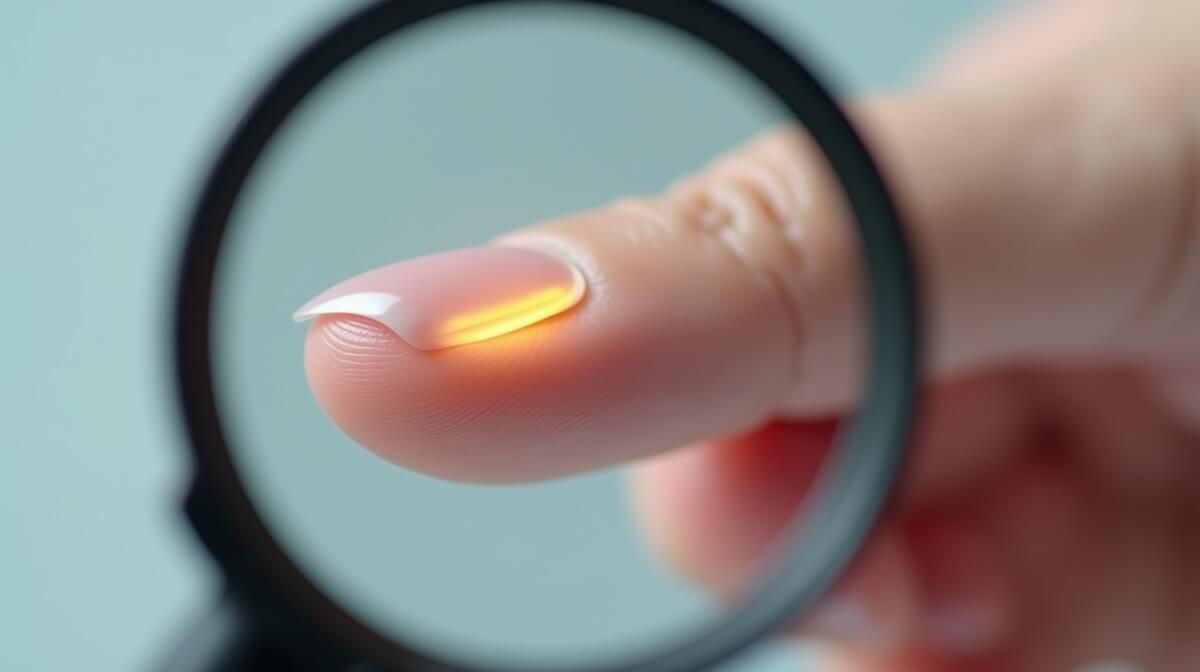
Many popular creams were formulated for superficial skin infections, not the fortress of keratin that is the nail. If a product doesn’t meaningfully travel through the plate to the bed, the deeper infection persists. That’s the central reason creams disappoint after months of diligent use.
Another factor is inconsistent use driven by slow feedback. When nothing seems to change after a few weeks, it’s tempting to stop. But fungus doesn’t follow quick timelines. Without persistence—and a delivery system designed for the nail—results stay elusive.
The science behind topical treatments for nail fungus
Topical antifungals must traverse three zones: the nail plate, the subungual space, and the nail bed. Passage through the dense plate is the hardest step. The nail is composed of cross-linked keratin with low lipid content, which limits diffusion of many drugs compared to skin.
To improve passage, modern formulations use solvents and permeation enhancers that temporarily alter keratin structure or increase the solubility of active compounds. Some use low–molecular weight actives, while others deploy ion pairs or carriers to improve uptake into keratin.
Once at the nail bed, antifungals inhibit ergosterol synthesis or disrupt fungal cell membranes. The catch is simple: no matter how effective the mechanism, it won’t matter if adequate amounts don’t arrive where the organisms reside. That’s why product design must blend potent actives with delivery systems built for nails.
Real-world adherence is equally important. The most elegant formulation fails if used sporadically. Consistency, nail preparation, and patience are essential parts of any topical plan.
Barriers to penetration: Why creams struggle to reach the fungus
The nail plate repels water and many molecules. Thickness increases with age and infection, which further slows diffusion. Debris under the nail creates a physical barrier that blocks the product from traveling where it needs to go.
Application errors compound the problem. Rushing through a thick coat doesn’t improve delivery; in fact, it can waste product while leaving the plate largely untouched. Without thinning, debriding, or softening protocols, even good ingredients may stay at the surface.
Finally, footwear factors—damp socks, tight shoes, and repeated trauma—can re-seed or aggravate infection faster than a marginally effective cream can clear it. Addressing sweat, fit, and hygiene is pivotal to give any topical a fair chance to work.
Consider an example: a 2-millimeter-thick toenail doubles the distance a molecule must travel compared with a 1-millimeter nail. If you safely file 10–15% of thickness weekly, diffusion improves over time, effectively “shortening the tunnel” your treatment must cross.
What really happens when creams don’t penetrate the nail bed?
When penetration is poor, the visible surface may look shinier or slightly lighter, while deeper fungal elements remain viable. After stopping the cream, these colonies repopulate, often spreading to neighboring nails or skin. The cycle repeats—brief improvement followed by relapse.
Under the microscope, you’d see fungal hyphae protected by the nail plate and microenvironments under lifted edges. Without reaching these niches, your treatment acts like a paint job on a moldy wall—cosmetic, not curative.
This also explains patchy results: one area might show clear growth from the base where the product reached, while the distal edge remains discolored. The solution isn’t just “more product”; it’s better delivery, preparation, and consistency over the full nail growth cycle.
For many, combining debridement, penetrating vehicles, and strict hygiene converts “I tried everything” into steady, measurable progress month by month.
The Importance of Penetration in Nail Fungus Treatment
Penetration is not a marketing buzzword—it’s the functional difference between acting on the surface and reaching the infection. If you want a nail fungus cure proven in practice, your regimen must deliver active agents where they’re needed, in sufficient concentration, for long enough to outlast fungal growth.
Deep delivery doesn’t guarantee overnight results; it enables them over realistic timelines. You still need correct application, patience, and prevention strategies to protect the clearing nail as it grows.
What does ‘penetration’ mean in the context of nail fungus therapy?
In nail therapy, penetration means the movement of an antifungal agent through the nail plate into the subungual space and down to the nail bed, maintaining concentrations above the minimum inhibitory concentration for the relevant organisms. Practically, it’s the difference between “on the nail” and “in the nail.”
Effective penetration requires three pillars: a delivery vehicle that can traverse keratin, an active ingredient suited to the environment, and a prepared nail surface that allows entry. Without all three, treatment often stalls.
Measurable outcomes include clearer proximal nail growth (a clean band growing from the cuticle), reduced subungual debris, and decreased thickness. These signs, tracked monthly, reflect drug presence in the right place over time.
For consumers, penetration translates to products and routines designed for nails: liquids that wick under edges, oils that carry lipophilic actives, or lacquers with proven keratin affinity, paired with filing protocols that reduce barriers.
How deep-penetrating solutions work differently from surface creams
Deep-penetrating solutions rely on vehicles—like certain oils, solvents, or lacquers—that temporarily modify keratin, improve solubility, and drive the active into microchannels within the plate. Some formulations emphasize low-viscosity liquids that flow into tiny gaps, including the hyponychium at the nail tip.
Surface creams, by contrast, often sit atop the plate. Even with potent actives, if the base is too occlusive or the molecule too large, little reaches the bed. This is why two products with the same active can perform very differently in nails.
Penetrating formulas also tend to pair with routines like warm-water soaks, gentle filing, and precise application at the free edge. These techniques don’t just add ceremony; they meaningfully improve the odds that each drop or brush stroke gets through the barrier.
Finally, some modern systems incorporate nail-binding polymers that act as reservoirs, slowly releasing antifungals over days. That sustained exposure is helpful against organisms that grow and repair slowly.
Evidence supporting the effectiveness of better nail penetration
Clinical literature shows that when topicals achieve higher nail bed concentrations—through optimized vehicles or nail preparation—clearance rates improve compared to surface-only applications. While methodologies vary, the trend is consistent: delivery matters as much as the active itself.
For example, lacquers with keratin affinity demonstrate better residence time, and solutions designed to wick under the nail can reach difficult subungual areas. Studies measuring drug levels within clippings confirm that penetration-focused systems deliver higher tissue concentrations than standard creams.
Real-world data also underscores adherence. In patient cohorts using penetrating systems with daily debridement and hygiene measures, time-to-clear growth decreases by weeks to months versus ad hoc use. The principle is simple but powerful: the right drug must be in the right place for the right duration.
In practical terms, if you’ve failed surface-only regimens, moving to a penetration-forward approach can increase your probability of sustained improvement, provided that you support it with prevention steps that reduce reinfection pressure.
Comparing Treatment Options: Creams vs. Penetrating Solutions
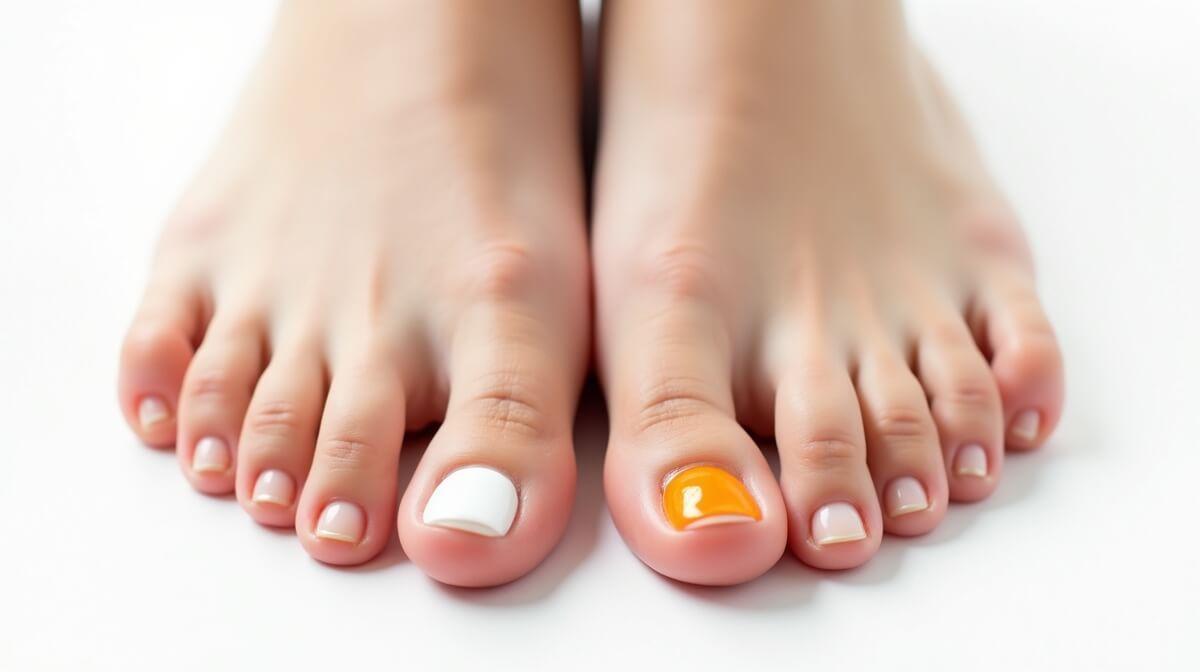
When evaluating options, think in layers: the active ingredient, the delivery vehicle, and your daily routine. Creams can help mild edge cases, but penetrating solutions—liquids, lacquers, or oils designed for nails—offer a more direct path to the nail bed. Oral medications and lasers remain alternatives for select scenarios.
Below, we break down pros, cons, timelines, and realistic success rates so you can decide when to persist with topicals and when to escalate with professional guidance.
Pros and cons of over-the-counter creams versus penetrative treatments
Over-the-counter creams are accessible and familiar. They’re often affordable and easy to apply. However, many are optimized for skin, not nails, which limits their reach. Even with antifungal actives, short residence time and thick bases can keep them on the surface.
Penetrative treatments, including nail lacquers and low-viscosity solutions, focus on reaching the bed. They may require more deliberate routines—soaks, filing, and precise application—but that effort translates into better delivery. Prices vary, but a regimen that truly reaches the infection can reduce long-term trial-and-error costs.
Side effect profiles differ. Topicals are generally well tolerated with minimal systemic exposure. Penetration-focused vehicles can cause local irritation in some users but are still usually gentle compared to systemic drugs. As always, patch test and follow directions for use.
| Approach | Strengths | Limitations | Best Use Case |
|---|---|---|---|
| Standard OTC creams | Accessible; low cost; familiar | Limited nail penetration; short residence | Mild, early edge involvement |
| Penetrating liquids/lacquers | Keratin affinity; wicking under nail; sustained release | Requires routine and patience | Mild to moderate onychomycosis |
| Oral medications | Systemic reach; higher cure rates in select cases | Potential liver interactions; monitoring needed | Moderate to severe; multi-nail disease |
| Laser therapy | Non-drug option; in-office control | Variable evidence; multiple sessions; cost | Adjunct when topicals/orals aren’t suitable |
Beyond these categories, hygiene and footwear are universal prerequisites. No topical can overcome constant reinoculation from damp shoes or shared surfaces. Think of your regimen as a system—delivery plus environment control.
What to expect in results: timelines and success rates
Timelines hinge on nail growth. For toenails, early signs of success—clean growth near the cuticle—often appear after 8–12 weeks. Full clearance can take 6–12 months depending on severity. Fingernails are faster, sometimes 3–6 months due to quicker growth.
Success rates vary across studies, but penetration-forward topicals generally outperform surface creams in mild to moderate cases. Orals may achieve higher cure rates in moderate to severe disease but carry monitoring requirements. Laser results are mixed; many clinics position them as adjuncts rather than stand-alone cures.
Expect plateaus. Improvement can be stepwise, with long stretches of similar appearance followed by a visible band of clear growth. Track progress monthly with photos under the same lighting and angles. This small habit improves motivation and adherence.
Remember that “most effective toenail fungus remedy” claims often ignore nail growth realities. A product might be active against fungi in a petri dish yet struggle in nails without a strong delivery system. Anchor your expectations to biology, not taglines.
Are oral medications or laser therapy better alternatives?
Oral antifungals can be valuable for moderate to severe cases, multiple nails, or when topicals fail despite good adherence. They circulate through the bloodstream and reach the nail bed from below. Your clinician may check for liver interactions and other contraindications before prescribing.
Laser therapy offers a non-drug option, typically as multiple office sessions. While some patients report improvement, evidence remains variable across devices and protocols. Many providers use lasers as adjuncts to topicals and debridement, not as a sole fix.
In practice, a staged approach works well: start with a penetrating topical system plus nail preparation and hygiene. If progress is absent at 12–16 weeks—or if disease is extensive—discuss orals or procedures with a professional. This balances safety, cost, and likelihood of durable results.
If you’re comparing topical choices, see our review of a deeper-acting option designed around the root cause: penetration limits so you can evaluate whether that type of approach aligns with your needs and risk profile.
How to Choose an Effective Nail Fungus Treatment for You
Choosing well starts with the nail’s biology. Seek products built for nails, not repurposed skin creams. Look for vehicles that bond to keratin, wick under the free edge, or deliver sustained release. Then pair them with a routine that reduces barriers and environmental reinfection.
Below are practical cues to spot true penetration claims, the ingredients that matter, and a step-by-step plan to maximize your odds of long-term success.
Signs a product offers true penetration versus surface relief
Packaging cues matter less than formulation details. Signs of true penetration include low-viscosity liquids or lacquers that dry into a thin film; instructions emphasizing application at the free edge and sidewalls; and recommendations for periodic filing or debridement.
Transparency about delivery tech—such as keratin-binding polymers, permeation enhancers, or solvents optimized for nail penetration—is also encouraging. Vague promises without details often signal a surface-focused product.
Clinical or in-vitro data showing drug levels in nail clippings or improved clearing rates versus standard creams adds credibility. While not every consumer product will have robust trials, look for more than before-and-after photos.
Finally, directions that match nail biology—daily use for months, photo tracking, and hygiene protocols—reflect a manufacturer that understands the slow march of nail growth rather than promising overnight transformations.
Key ingredients and delivery systems that improve penetration
Certain antifungals and carriers have better odds of reaching the bed. Low–molecular weight actives and lipophilic compounds often diffuse more effectively through keratin. Vehicles using alcohols, propylene glycol, or specific oils can temporarily change the nail’s microenvironment to improve passage.
Lacquers that form a breathable film create a reservoir effect, releasing active over time. Some include keratin-binding polymers that enhance residence in the plate. Wicking-capable solutions applied at the hyponychium can seep into subungual spaces.
Supportive ingredients—like urea or lactic acid—help by softening and thinning thick nails, reducing the diffusion distance. Tea tree and other essential oils are popular, but their benefit depends heavily on formulation and penetration; they’re not guaranteed cures alone.
Remember that efficacy is a marriage of molecule and method. A strong antifungal in a poor vehicle is like a talented swimmer without water—it can’t get where it needs to go.
Steps to maximize your chances of curing nail fungus for good
Success is systematic. Combine delivery, preparation, and prevention so the nail can grow clear from the base while you minimize reinfection. The following steps translate lab theory into daily practice you can stick with over months.
Use this as a customizable plan. Adjust frequency and tools to your nail thickness, sensitivity, and lifestyle. Consistency beats intensity when it comes to nail health.
- Trim and file weekly: After a warm shower, trim straight across and gently file to reduce thickness. Aim for small, regular reductions rather than aggressive sessions.
- Clean the free edge: Use a soft tool to clear loose debris at the hyponychium; avoid digging that causes pain or bleeding.
- Apply a penetrating topical: Use a lacquer or liquid designed for nails, focusing on the free edge, sidewalls, and any lifted areas.
- Let it dry fully: Give lacquers time to form a film. For oils/solutions, allow a few minutes before socks or shoes.
- Use moisture-wicking socks: Change socks midday if your feet sweat. Rotate shoes to allow full drying between wears.
- Disinfect shoes weekly: Use UV inserts, antifungal sprays, or alcohol wipes inside the toe box and insoles.
- Shower hygiene: Wear sandals in public showers and dry between toes thoroughly at home.
- Launder hot: Wash socks and bath mats on hot cycles and dry completely.
- Photo journal: Take monthly photos from the same angle and lighting to track proximal clear growth.
- Reassess at 12–16 weeks: If there’s no clean band of growth, discuss escalation with a clinician.
Most people who finally “get rid of nail fungus permanently” didn’t find a magic bullet; they built a disciplined routine that gave a good product the time and access it needed. The payoff is durable, confident results.
Preventing Recurrence and Caring for Healthy Nails
Clearing fungus is half the journey; keeping it away is the other half. Recurrence happens when surviving organisms or environmental reservoirs reseed the nail. Good news: simple daily habits dramatically lower that risk—often with minimal time investment.
Think of your shoes, socks, shower, and nail tools as your ecosystem. Make them inhospitable to fungi, and your new healthy growth is far more likely to last.
Daily habits to keep nail fungus from returning
Build a frictionless routine. Small, repeatable actions beat occasional deep cleans. Aim for habits that fit your schedule and don’t rely on perfect motivation every day.
Footwear is your foundation. Dry, spacious shoes with breathable uppers and moisture-wicking socks reduce the microclimate fungi love. Rotate pairs to allow 24 hours of drying time, especially after workouts.
- Dry thoroughly after showers; dab, don’t rub, around nails and between toes.
- Use sandals in public locker rooms and hotel showers.
- Avoid sharing nail clippers or files; sanitize tools after each use.
- Choose breathable, wider toe boxes to minimize microtrauma.
- Change socks after workouts or long days on your feet.
- Dust feet with an antifungal powder before high-sweat activities.
- Replace old, worn shoes that retain moisture or odor.
- Store shoes in a dry, ventilated area, not sealed containers.
For households with multiple cases, coordinate cleaning routines and avoid sharing foot towels. Treating partners simultaneously can reduce ping-pong reinfections.
Mistakes to avoid during and after treatment
Stopping too soon is the most common pitfall. Continue your regimen until clear nail growth reaches the tip—even if the nail looks improved midway. Premature discontinuation leaves stragglers that can restart the infection.
Another mistake is ignoring footwear. Even a strong deep penetrating nail fungus solution struggles if your shoes stay damp and contaminated. Likewise, skipping weekly debridement prolongs diffusion distances and slows progress.
Be cautious with harsh chemicals or DIY scraping that damages the nail or surrounding skin. Micro-injuries invite more organisms and slow healing. If in doubt, consult a podiatrist for safe debridement or trimming advice tailored to your nail shape and thickness.
Finally, avoid assuming laser or orals will rescue a lax routine. Every approach works better with good hygiene and consistent application. Procedures do not replace prevention; they complement it.
When to seek professional help for persistent nail fungus
If you’ve adhered to a penetration-focused topical for 12–16 weeks without signs of new clear growth from the base, it’s reasonable to see a clinician. This is especially important if multiple nails are involved, pain is present, or you have diabetes, neuropathy, or poor circulation.
Professionals can perform debridement, confirm diagnosis (some nail dystrophies mimic fungus), and discuss oral options or adjuvant therapies like laser. They can also screen for drug interactions, particularly if you’re considering systemic antifungals.
Consider bringing your photo log to the appointment. Consistent images help clinicians assess trends and make targeted recommendations. Small adjustments—like addressing a heavily lifted edge—can accelerate progress.
Finally, ask about a combined plan: professional debridement plus an at-home penetrating regimen and shoe hygiene. This team approach often converts stubborn cases into steady wins.
“Nail fungus is a classic delivery problem. The right medicine in the wrong place doesn’t help. Optimize penetration and habits first, then escalate when needed.”
– Dr. L. Parker, Board-Certified Dermatologist
“I see breakthroughs when patients pair debridement with a penetrative lacquer and strict footwear hygiene. It’s not glamorous, but it’s effective and sustainable.”
– J. Rivera, DPM, Podiatric Surgeon
Frequently Asked Questions About Penetration and Nail Fungus
Why is nail fungus so difficult to treat with creams alone?
Creams often struggle because the nail plate is a dense keratin barrier with low permeability. Many over-the-counter formulas are designed for skin, not nails, so they sit on the surface. Without reaching the nail bed and subungual space—where fungus lives—improvement is limited or temporary. A regimen focused on penetration, nail preparation, and consistency over months better aligns with nail biology and increases the chance of lasting results.
Do over-the-counter creams actually penetrate deep enough to cure nail fungus?
Some do, but many do not. Standard creams can provide surface relief or help in very early cases along the nail edge. Penetrative liquids or lacquers are typically more suitable for nails because they’re designed to traverse keratin, wick under the free edge, and sometimes form reservoirs that release antifungals over time. Look for transparent claims about delivery technology and use routines that include thinning and precise application.
What does it mean for a treatment to penetrate the nail, and why is that important?
Penetration means the active agent travels through the nail plate into the subungual space and nail bed at concentrations high enough to inhibit fungal growth. It’s crucial because the infection resides within and beneath the nail, not just on the surface. Without adequate delivery, you may see temporary cosmetic changes but little sustained improvement. Products and routines engineered for nail penetration address this core barrier to cure.
Are laser treatments or oral medications more effective than topical options?
They can be, depending on severity and patient factors. Oral antifungals reach the nail bed via the bloodstream and often show higher cure rates in moderate to severe disease, but they require medical screening and potential monitoring. Laser results are mixed and often used as adjuncts. For many mild to moderate cases, a penetration-focused topical plan plus hygiene works well. Escalate if there’s no progress after 12–16 weeks.
What kinds of ingredients or technologies help treatment penetrate better?
Keratin-binding lacquers, low-viscosity solutions that wick under the nail, and vehicles with permeation enhancers (like specific alcohols or glycols) improve delivery. Softening agents such as urea or lactic acid reduce thickness, shortening diffusion distance. The synergy of a suitable antifungal plus a nail-optimized vehicle, paired with filing and careful application, is more predictive of success than any single ingredient alone.
How long should I use a penetrating nail fungus solution before seeing results?
Expect early signs—such as a clean band of growth near the cuticle—after 8–12 weeks for toenails, sooner for fingernails. Full clearance often takes 6–12 months for toenails due to slow growth. Stick with the plan consistently, even if improvement is gradual. Track monthly photos so you can detect subtle progress that day-to-day viewing might miss.
Can deeper penetration increase the cure rate for nail fungus?
Yes, deeper penetration generally increases the likelihood of reaching fungal reservoirs within and beneath the nail. Evidence shows that higher drug levels in the nail bed correlate with better clinical outcomes. That said, penetration is one part of a system: nail preparation, adherence, and prevention of reinfection are equally important. It’s the combined approach that drives durable clearance.
What signs indicate a nail fungus treatment is truly working?
Look for a proximal band of clear, healthy nail growing from the base, reduced subungual debris, and less crumbling or thickness. Discoloration should shift distally over months as new nail replaces old. Uniform improvement from base to tip is a stronger sign than a temporary surface color change. If there’s no clear growth after 12–16 weeks, consider adjusting the plan with a professional.
How can I prevent nail fungus from coming back after successful treatment?
Maintain a clean, dry footwear environment: rotate shoes, use moisture-wicking socks, and disinfect the toe box weekly. Continue gentle filing if thickness recurs and avoid sharing nail tools. Wear sandals in public showers and dry thoroughly after bathing. A brief maintenance application schedule, agreed upon with a clinician, can help in high-risk individuals. Prevention is a daily habit, not a one-time event.
Are there risks or side effects with using more powerful penetrating solutions?
Penetration-focused topicals are generally well tolerated, but some users may experience local irritation, dryness, or redness. Patch testing and following application directions help minimize issues. If you have diabetes, neuropathy, or a history of skin sensitivity, consult a clinician before starting. Compared to oral medications, systemic side effects are uncommon, but it’s still wise to monitor your skin and adjust as needed.
Is it possible to fully cure nail fungus without prescription medications?
Yes, in many mild to moderate cases, especially when the infection is limited and you use a penetration-focused topical regimen consistently with good hygiene. However, severe, multi-nail, or long-standing infections may respond better to a clinician-guided plan that includes debridement or oral medications. The key is matching the treatment intensity to the disease extent and monitoring progress thoughtfully.
When should I consider seeing a doctor instead of self-treating nail fungus?
Seek professional care if multiple nails are affected, pain or swelling is present, you have diabetes or circulation issues, or there’s no visible proximal clear growth after 12–16 weeks of consistent topical care. A clinician can confirm diagnosis, perform safe debridement, screen for oral medication suitability, and help you build a comprehensive plan that fits your health profile and goals.
Conclusion
Winning against nail fungus isn’t about one miracle cream—it’s about getting effective antifungals where they need to go and supporting them with smart habits. By focusing on Fungus Treatment Penetration, preparing the nail, and protecting your environment, you give yourself the best chance at steady, durable improvement.
Start with a penetration-forward topical, commit to consistent application, and re-evaluate at clear milestones. If progress stalls, escalate thoughtfully with professional guidance. For an objective look at a penetration-centered approach that addresses the root barriers, → see our full review of a solution built around the root cause.
In a nutshell
- Surface-only creams rarely reach the nail bed; penetration changes outcomes.
- Pair delivery with debridement, hygiene, and photo tracking for realistic progress.
- Escalate to oral or procedural options when disease is extensive or unresponsive.
Found this guide helpful? Share your experience in the comments and pass this resource to someone who’s ready for a practical, science-driven plan.
Important Health Notice and Disclaimer: The information in this article is educational and not a substitute for professional medical advice, diagnosis, or treatment. Always consult a qualified healthcare provider about your specific condition, especially if you have diabetes, neuropathy, circulation problems, pregnancy, medication interactions, or persistent pain. Outcomes vary based on severity, adherence, and individual health factors. Do not ignore professional advice or delay seeking it because of something you have read here.







Add comment