
 Dr. Lauren Hayes
Last updated: November 26, 2025
If you’ve dealt with athlete’s foot, stubborn nail fungus, vaginal yeast infections, or digestive candida, you know how disruptive they can be. The good news is that everyday nutrition can help. In this expert guide, you’ll learn exactly which Foods That Fight Fungus deserve a place on your plate, why they work, and how to use them safely alongside medical care when needed.
We’ll unpack the science in plain language, then turn it into practical shopping lists, simple recipes, and a flexible diet plan you can start today. Whether you’re preventing recurrence or aiming to complement treatment, the strategies below help fortify immunity, support your microbiome, and make your internal terrain less hospitable to opportunistic fungi.
Importantly, we’ll also cover limits and red flags—so you know when diet alone isn’t enough and when to see a clinician. Expect realistic timelines, food swaps for busy lifestyles, and guidance tailored to common US diets, including gluten-free, low-sugar, and plant-forward approaches.
Key takeaways
- Certain foods and nutrients can create an internal environment less favorable to fungal overgrowth.
- Gut health, blood sugar balance, and consistent daily habits are pivotal for preventing recurrence.
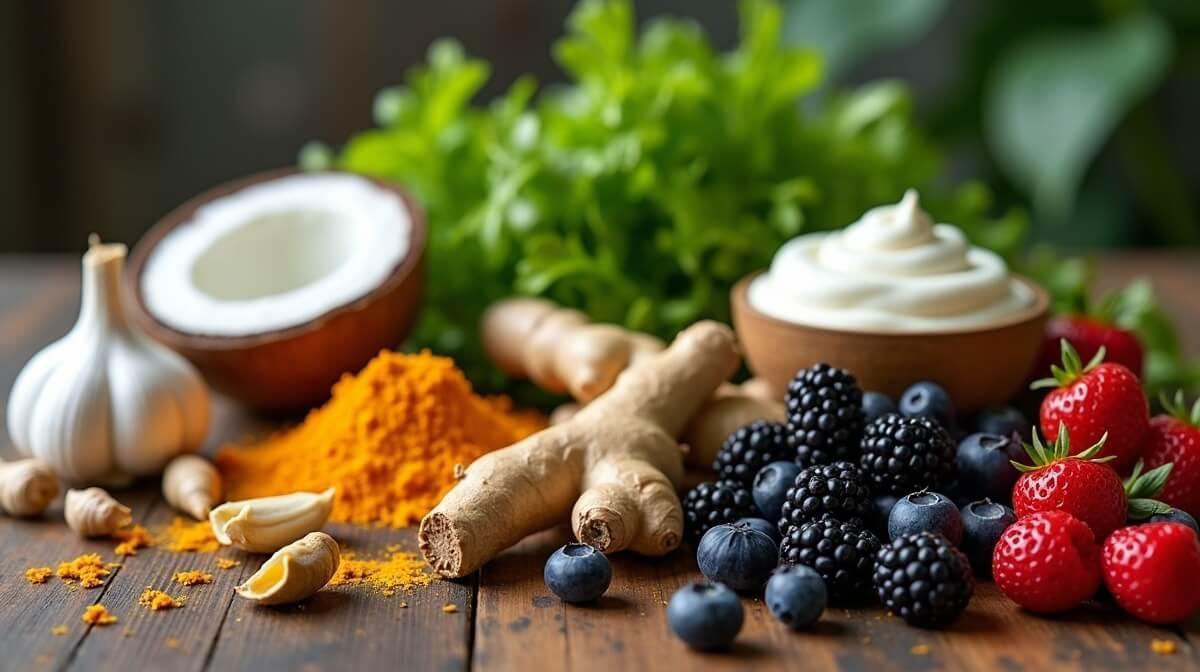
- Seven widely available foods—garlic, coconut oil, probiotics/ferments, turmeric, crucifers, oregano, and fiber—offer practical antifungal support.
- Diet complements, but does not replace, appropriate medical diagnosis and antifungal therapy when needed.
- Expect gradual improvements over 2–8 weeks; track symptoms and adjust with guidance from a healthcare professional.
Ready to turn your kitchen into a strategic ally? Keep reading for evidence-informed guidance and step-by-step ways to put it into practice today.
How Foods Can Strengthen Your Body Against Fungal Infections
Fungi are everywhere—in soil, on skin, and in the gut. Most are harmless, and some are beneficial. Problems arise when conditions tip in favor of overgrowth. Food can shift those conditions. From modulating immunity to supplying antifungal compounds, diet helps reduce fungal survival advantages and supports recovery.
Think of your plate as part of your prevention plan. Targeted nutrients can reduce adhesion of fungi to tissues, lower biofilm strength, and support phagocytes that clear pathogens. Meanwhile, smart avoidance of fueling foods can shrink the resources fungi rely on to persist and recur.
What are common fungal infections and why are they a concern?
Common fungal infections in the US include athlete’s foot (tinea pedis), toenail or fingernail onychomycosis, ringworm (tinea corporis), vaginal yeast infections (often Candida albicans), oral thrush, and candida-related digestive symptoms. While many are superficial, they can cause persistent discomfort, odor, itching, and cosmetic changes that affect quality of life and self-confidence.
For some people, infections recur or linger despite over-the-counter creams. Recurrence can be driven by environmental exposure, moisture, tight footwear, disrupted microbiota, or poorly controlled blood sugar. In immunocompromised individuals, fungi can invade more deeply, requiring urgent medical care. Nutrition cannot replace treatment, but it can reduce contributors to severity and recurrence in many everyday cases.
Another concern is misidentification; not every rash is fungal, and not every digestive symptom is candida. Accurate diagnosis matters. Diet helps most when aligned with the right condition. If symptoms worsen or fail to improve within a reasonable timeframe, a clinician should reassess the plan.
How does your immune system interact with fungal pathogens?
Your immune system recognizes fungi through pattern-recognition receptors, triggering innate defenses like neutrophils and macrophages. These cells engulf pathogens and release reactive molecules. The adaptive arm—T cells and antibodies—helps with precision targeting and memory, often ensuring faster control if fungi reappear.
Nutrients influence each step. Vitamins A, C, D, E, B-complex, zinc, selenium, and iron balance immune responses so they’re strong enough to control pathogens but not so aggressive that they inflame tissues. Polyphenols and sulfur compounds can also reduce oxidative stress that impairs immune efficiency.
If you imagine immunity as a fire department, nutrients are the hydrants and hoses. Without adequate supplies, response times slow and cleanup lags. With a nutrient-replete diet and balanced microbiome, the “fire” of infection is less likely to spread, and the aftermath is easier to resolve.
Why is nutrition essential for defending against fungi?
Nutrition does three pivotal things. First, it provides antifungal compounds such as allicin in garlic or carvacrol in oregano that directly pressure fungal cells. Second, it supports microbial competitors—beneficial bacteria that outcompete yeast for space and resources in the gut and on mucosal surfaces.
Third, it stabilizes blood sugar. Many fungi thrive when glucose is abundant. Diets high in refined sugars and ultra-processed foods can create a pro-fungal environment. Conversely, fiber-rich and low-glycemic patterns cut off that advantage, improving outcomes and reducing recurrence risk over time.
Together, these effects make diet a meaningful adjunct to hygiene, environment, and treatments. While no single food is a cure-all, a consistent pattern shifts your internal terrain toward resilience, often within several weeks of deliberate changes.
The Connection Between Diet and Fungal Infection Prevention
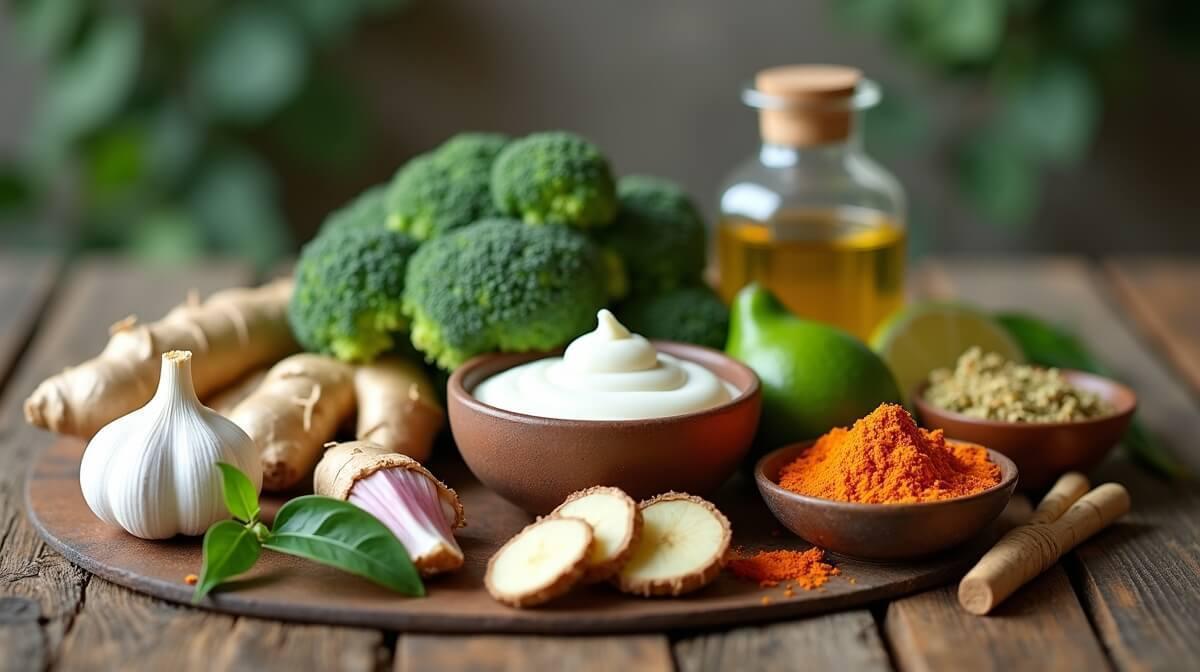
Prevention hinges on daily choices. Food is a repeatable lever you can pull three times a day. Over time, small changes compound. Focus on adding antifungal foods, supporting beneficial microbes, and removing dietary “fuel” for fungi.
Think long-term patterns over short-term fixes. A balanced, anti-inflammatory approach that manages blood sugar and supports gut integrity provides the most reliable protection and quality-of-life benefits.
Can certain foods help prevent or reduce fungal infections?
Yes. Foods containing antimicrobial compounds or those that nurture beneficial microbes can reduce the chance of fungal overgrowth. Garlic, coconut oil (lauric acid, monolaurin), oregano, turmeric, green tea, and cinnamon offer bioactives with documented antifungal or anti-biofilm properties in laboratory and preliminary human studies.
Equally important are foods that foster a resilient microbiome, like cultured yogurt with live cultures, kefir, kimchi, sauerkraut, miso, and fiber-rich plants. Beneficial bacteria compete with yeast and help maintain an acidic, protective mucosal environment.
Powerful prevention is less about one ingredient and more about synergy—combining antifungal foods, balancing macronutrients, and keeping added sugars low. This strategy helps your body resist overgrowth on multiple fronts, from skin to gut to genitourinary tracts.
What nutrients fight fungal overgrowth in the body?
Several nutrients are consistently linked with antifungal support. Sulfur compounds like allicin (garlic) and glucosinolates (crucifers) disrupt fungal cell processes. Medium-chain fatty acids (coconut oil) interfere with fungal membranes. Polyphenols (turmeric’s curcuminoids, green tea catechins) reduce oxidative stress and biofilm formation, making microbes more vulnerable.
Vitamin D modulates innate immunity; vitamin C supports neutrophil function; zinc and selenium aid antioxidant enzymes and immune cell signaling. Prebiotic fibers feed beneficial gut bacteria that compete with candida. Together, these nutrients work like a team, guarding barriers, fine-tuning immunity, and limiting fungal access to resources.
When planning meals, think in categories: a sulfur-rich vegetable, a fermented food, a fiber source, and one targeted antifungal ingredient. That simple framework can turn an ordinary lunch into a protective pattern repeated daily.
How does gut health relate to resistance against fungus?
The gut is a major theater of immune activity. A diverse microbiome produces acids and metabolites that maintain a hostile environment for opportunistic fungi. Short-chain fatty acids from fiber fermentation nourish colon cells and strengthen the gut barrier, making it harder for pathogens to cross into circulation.
Dysbiosis—an imbalance of gut microbes—can occur after antibiotics, illness, stress, or a high-sugar diet. This opens the door to yeast proliferation and biofilm formation. By reintroducing fermented foods and prebiotic fibers, you support bacterial competitors that crowd out yeast, while lowering the availability of fermentable sugars yeasts love.
Improving gut health can also reduce systemic inflammation and support hormones and blood sugar regulation. Over weeks, symptom clusters often improve together: bloating, irregularity, skin rashes, and recurrent vaginal yeast. The common thread is restoring balance to an ecosystem that had tipped in the wrong direction.
When scaling fermented foods, observe your body’s responses. Track a few metrics—bloating, bowel regularity, skin changes, and energy—in a simple journal. Patterns over 10–14 days help you fine-tune foods and amounts.
Hydration also matters. Adequate water supports mucosal secretions and regular transit, which helps clear debris and limits stagnation that can favor overgrowth.
7 Foods That Help Your Body Fight Fungal Infections
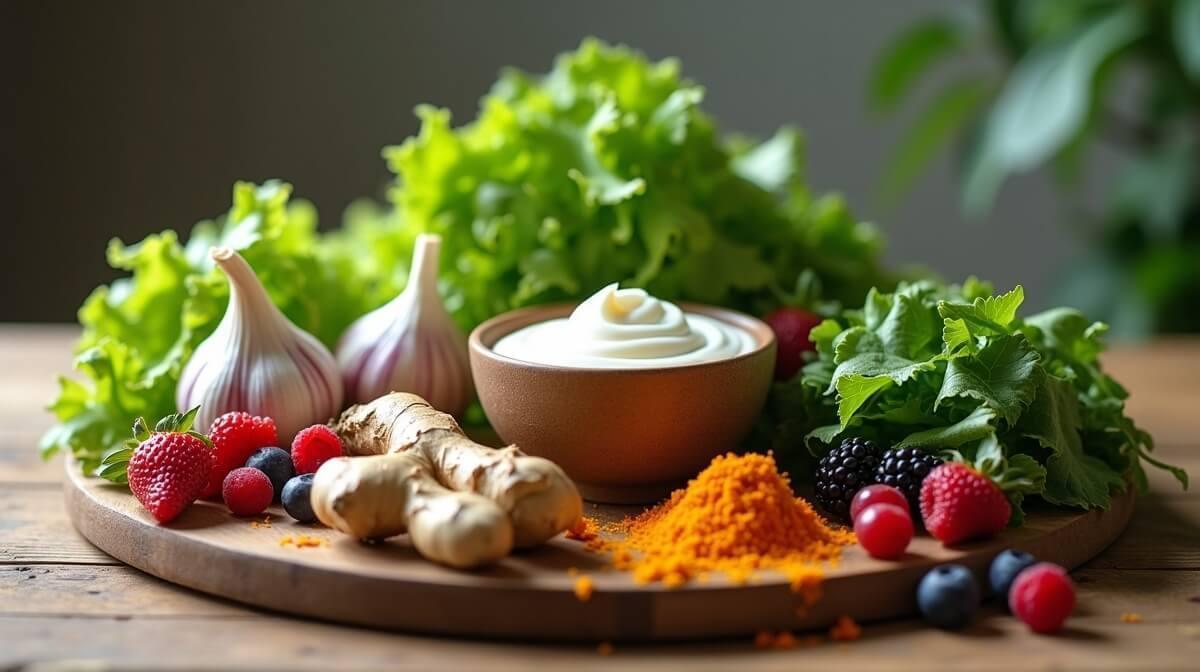
Below are seven widely available foods and categories with the best practical evidence and everyday applicability. You don’t need them all at once; consistency with a handful can still move the needle. Combine them with smart avoidance of fungal “fuel” for sustained results.
For each food, you’ll find how it may work, practical doses, ways to use it, and cautions. This empowers you to personalize your plan and discuss it with your clinician when needed.
How does garlic work as a natural antifungal food?
Garlic contains organosulfur compounds, notably allicin, formed when raw garlic is crushed or chopped. Allicin can disrupt fungal cell walls and enzymes in laboratory studies, making it a popular culinary ally against candida and dermatophytes. It also supports cardiovascular health and flavor, making it easy to include consistently.
Practical use often involves 1 clove of raw or lightly cooked garlic per day, increasing to 2–3 cloves as tolerated. To maximize allicin, chop and let it rest for 5–10 minutes before cooking. If raw garlic irritates your stomach, incorporate it into dressings, pestos, or lightly sautéed dishes instead of eating it straight.
Garlic supplements exist, but food-first is usually sufficient for preventive purposes. If taking anticoagulants or scheduled for surgery, discuss garlic intake with your clinician due to potential bleeding risk at higher supplemental doses. In most culinary amounts, garlic is safe and beneficial for the majority of adults.
In a practical scenario, adding crushed garlic to a lemon-olive oil dressing over a cruciferous salad achieves a double win: antifungal compounds plus fiber and micronutrients for the microbiome.
Why are coconut oil and its compounds effective against fungi?
Coconut oil is rich in medium-chain fatty acids such as lauric acid, which can be converted to monolaurin. These compounds can disrupt lipid membranes of certain fungi, lowering viability. While most evidence is preclinical, many individuals report symptomatic support, particularly when coconut oil replaces refined seed oils in cooking.
For culinary use, 1–2 tablespoons per day is a common range, depending on total calorie needs. Use it for sautéing vegetables, blending into coffee for satiety, or baking. Fractionated coconut oil is not equivalent nutritionally; choose virgin or unrefined options for the fullest profile of bioactives.
Internally, coconut oil may aid satiety and reduce snacking on sweets—indirectly helping to lower the sugar exposure that fosters yeast. Externally, some people use coconut oil as an adjunct moisturizer for dry skin areas prone to irritation; patch test first, and do not apply to open wounds. For vaginal use, consult a clinician before trying topical oils.
If you have hyperlipidemia or are on a lipid-lowering medication, discuss routine coconut oil intake with your healthcare professional and monitor your lipid profile, emphasizing overall dietary patterns, not single ingredients.
What role do probiotics and fermented foods play in fungal defense?
Probiotics reinforce the body’s natural defense by inhabiting mucosal surfaces and producing organic acids and bacteriocins that can make environments less hospitable to yeast. Certain Lactobacillus strains, for example, help maintain a slightly acidic vaginal pH, which discourages candida overgrowth.
Fermented foods like yogurt with live cultures, kefir, kimchi, sauerkraut, miso, natto, and kombucha deliver live microbes and metabolites. A practical starting point is 1 serving daily, increasing to 2 servings as tolerated. For dairy-sensitive individuals, choose coconut or almond-based yogurts with active cultures or fermented vegetables.
Probiotic supplements can be considered when fermented foods are not tolerated or when targeted strains are desired. Look for a multi-strain product with Lactobacillus and Bifidobacterium species and a clear CFU count per dose. Start low and go slow to avoid transient bloating as your microbiome adapts.
Remember, probiotics are more likely to help when paired with prebiotic fiber sources—vegetables, legumes, oats, and seeds—which feed them. This synergy improves persistence and function, offering more durable antifungal support over time.
Can turmeric and curcumin reduce fungal infections?
Turmeric contains curcuminoids with anti-inflammatory and antioxidant actions. In laboratory contexts, curcumin can hinder fungal growth and biofilm formation, potentially making fungi more vulnerable to immune clearance and therapies. While clinical data specifically on fungal infections remain limited, the overall risk–benefit is favorable when used as a culinary spice.
Practical use includes 1–2 teaspoons of ground turmeric daily in soups, scrambles, smoothies, or golden milk. Pair with black pepper (piperine) and a fat source (like coconut milk) to improve absorption. If using supplements, consult your clinician, especially if you’re on anticoagulants or have gallbladder issues.
One simple approach is a turmeric-ginger tea with lemon. It supports hydration, adds polyphenols, and replaces sugary beverages. Over weeks, many people notice improved joint comfort and more regular digestion—two indirect benefits that support active lifestyles during recovery.
If you’re sensitive to nightshade spices or have a history of reflux, test smaller amounts and monitor symptoms. Most tolerate culinary doses well.
How do cruciferous vegetables support antifungal immunity?
Crucifers—broccoli, cauliflower, Brussels sprouts, kale, arugula, and cabbage—contain glucosinolates that convert to isothiocyanates, which can influence detoxification enzymes and microbial ecology. They are also rich in fiber, vitamin C, folate, and minerals that support immune balance and gut barrier integrity.
Aim for at least 1 cup daily, raw or cooked. Light steaming preserves nutrients while improving digestibility for many. For those with thyroid concerns, cooking crucifers can reduce goitrogenic compounds; iodine sufficiency and balanced intake typically mitigate issues.
Crucifers also contribute prebiotic fibers that feed beneficial bacteria. Combining them with fermented foods, olive oil, and herbs creates a plate that’s antifungal, anti-inflammatory, and satisfying. Try a shredded cabbage and kale slaw with lemon-garlic dressing paired with grilled salmon or tofu for a complete, balanced meal.
Consistency is key. Over 2–8 weeks, the fiber and phytochemicals can help shift your microbiome and stool regularity—both important for clearing byproducts and reducing recurrent symptoms.
What makes oregano oil and herbs effective for fighting fungi?
Oregano’s essential oil contains carvacrol and thymol, compounds with antimicrobial effects in laboratory studies. Culinary oregano also contributes polyphenols and flavor that encourage regular use without relying on concentrated supplements. Many people find it helpful to season sauces, roasted vegetables, and dressings generously with oregano.
If considering oregano oil supplements, use caution. They are potent and can irritate mucosa or interact with medications. Culinary use remains the safest entry point. For topical skin support, dilute essential oil heavily in a carrier oil and patch test. Never apply essential oils undiluted to skin or mucosa.
In cooking, oregano pairs well with garlic, tomatoes, lemon, and olive oil. A practical pattern is a “Mediterranean antifungal bowl” with quinoa, sautéed garlic-kale, roasted broccoli, olives, cherry tomatoes, and an oregano-lemon dressing.
Because oregano oil can be strong, work with a clinician if you’re considering internal supplemental use, especially if you take anticoagulants or have gastrointestinal sensitivities.
Why are fiber-rich foods important in controlling fungal growth?
Fiber is foundational. It feeds beneficial bacteria that compete with yeast, generates short-chain fatty acids that fortify the gut barrier, and slows glucose absorption to reduce fungal “fuel.” Most adults benefit from 25–35 grams of fiber daily, increasing gradually to prevent bloating and ensuring adequate hydration.
Focus on vegetables, legumes, berries, oats, chia, flax, and nuts. Variety matters; different fibers nourish different microbes. A simple way to increase fiber is to add 1 tablespoon of ground flaxseed to breakfast and a cup of beans or lentils to lunch or dinner.
Over time, higher-fiber meals help stabilize energy and cravings, making it easier to limit sugary snacks. Combined with antifungal spices and herbs, fiber helps build a dietary pattern that’s both protective and enjoyable.
If you have IBS or are sensitive to FODMAPs, tailor fiber choices—e.g., oats and chia may be gentler than certain legumes. Consider a staged approach with guidance from a dietitian if needed.
| Food | Primary compounds | How it may help | Everyday use | Considerations |
|---|---|---|---|---|
| Garlic | Allicin | Disrupts fungal enzymes and cell walls | 1–2 cloves/day in dressings, sautés | May irritate if eaten raw on empty stomach |
| Coconut oil | Lauric acid, monolaurin | Disrupts lipid membranes | 1–2 tbsp/day for cooking | Monitor lipids if at risk |
| Probiotic foods | Lactobacillus, Bifidobacterium | Compete with yeast; support pH | 1–2 servings/day | Introduce gradually |
| Turmeric | Curcuminoids | Anti-inflammatory; anti-biofilm | 1–2 tsp/day with pepper | May interact with anticoagulants |
| Crucifers | Glucosinolates | Microbiome and detox support | 1 cup/day steamed or raw | Cook if thyroid sensitive |
| Oregano | Carvacrol, thymol | Broad antimicrobial support | Use liberally in cooking | Essential oil is potent; dilute |
| Fiber-rich foods | Soluble/insoluble fiber | Feeds competitors; lowers sugar spikes | 25–35 g/day from plants | Increase gradually with water |
Comparing foods helps you mix and match. Choose two “anchor” foods you love, then rotate others weekly. This keeps meals interesting and broadens your nutrient coverage without overcomplicating your routine.
As you experiment, note which combinations feel best—many people find a garlic-crucifer-ferment trio easy and effective. If one food doesn’t suit you, there are plenty of alternatives to achieve similar outcomes.
“There’s no single miracle food for fungal issues. Consistency across meals—lower sugar, more fiber, and targeted antifungal ingredients—does the heavy lifting over time.”
— Board-certified internist
Counseling patients often involves reframing expectations. Instead of chasing quick fixes, aim for 80% of meals to align with your antifungal template. This level of consistency usually yields noticeable changes within a month without feeling restrictive.
Use the next section’s recipes and swaps to make that 80% both practical and satisfying.
Practical Tips to Incorporate Antifungal Foods Into Your Daily Diet
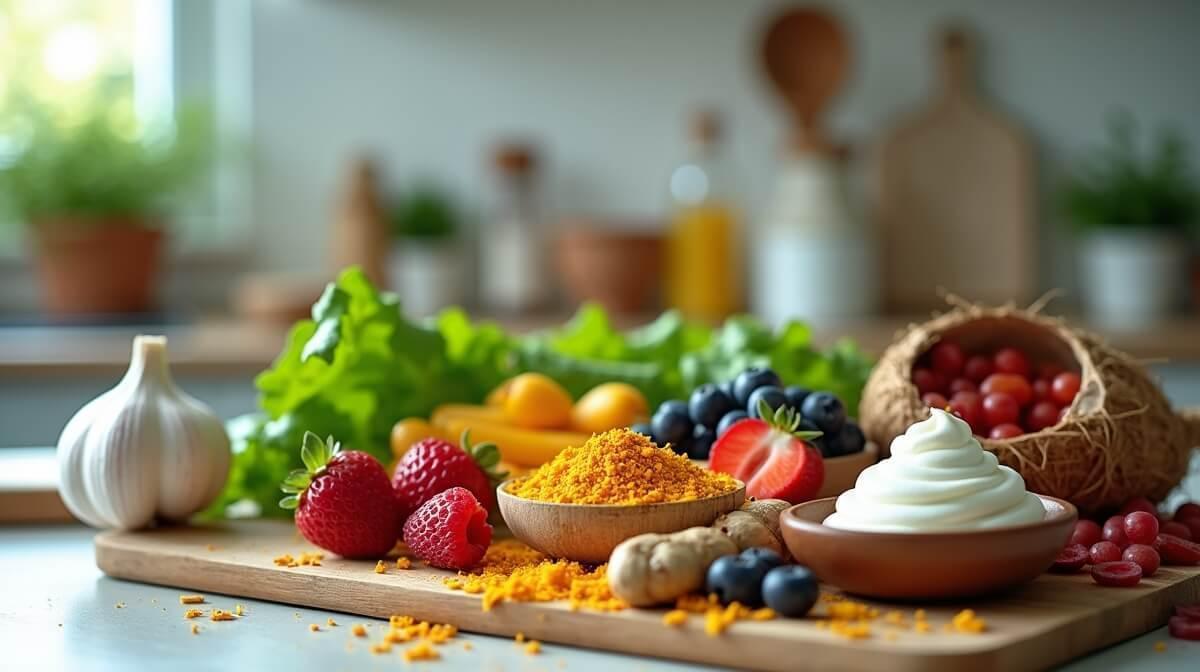
Turning knowledge into meals is where progress happens. Lean on simple formulas, batch cooking, and flavor-forward sauces so antifungal eating fits into a busy lifestyle. You’ll find that a few staple ingredients can power dozens of combinations.
Start small. Add one antifungal food at breakfast, one at lunch, and one at dinner. In two weeks, reassess energy, cravings, skin, and digestion to guide your next step.
What are easy recipes that include antifungal foods?
Garlic-Lemon Crucifer Salad: Toss chopped kale and shredded cabbage with a dressing of olive oil, lemon juice, crushed garlic (rested 10 minutes), Dijon, and oregano. Top with pumpkin seeds and grilled chicken or chickpeas. This combines sulfur compounds, fiber, and herbal polyphenols in a five-minute meal.
Turmeric Cauliflower Skillet: Sauté onions and garlic in coconut oil, add cauliflower florets, turmeric, black pepper, and a pinch of sea salt. Finish with a splash of coconut milk and chopped cilantro. Serve over quinoa for a balanced lunch with protein and fiber.
Probiotic Breakfast Bowl: Unsweetened Greek or coconut yogurt with ground flaxseed, chia, cinnamon, and a modest portion of berries. Add a spoon of sauerkraut on the side for the adventurous—yes, it works as a savory breakfast element and ramps up fermented diversity.
Oregano-Lemon Salmon (or Tofu): Bake salmon fillets or tofu with lemon slices, garlic, dried oregano, and olive oil. Roast a tray of broccoli alongside. This is a high-protein, antifungal dinner with minimal cleanup—ideal for weekday rotations.
Golden Ginger Tea: Simmer grated turmeric and ginger in water for 10 minutes. Strain, add lemon, and sip warm. It’s a soothing, low-sugar beverage that replaces soda or juice, supporting hydration and delivering polyphenols.
If you like batch cooking, roast a sheet pan of crucifers, onions, and peppers once or twice a week. Store in glass containers and assemble fast bowls with pre-cooked quinoa, canned beans, and a protein. Each bowl gets a different herb or spice profile for variety.
Use a “half-plate plants” rule—fill at least half your plate with non-starchy vegetables. Then add a protein and a smart fat source. This simple cue builds fiber and micronutrients automatically.
How to make dietary changes for better fungal protection?
Successful change comes from stacking small, repeatable habits. Start by identifying your highest-sugar moments—often beverages and snacks. Replace sweetened drinks with sparkling water plus lemon or a warm turmeric-ginger tea. Swap pastries for a yogurt-and-seed bowl or veggie omelet.
Next, build anchors into each meal: one antifungal item (garlic/turmeric/oregano), one fiber-rich plant, and one fermented or probiotic food. Plan for two weeks of consistency and use calendar reminders to keep your commitment visible. Prepping once sets up multiple wins.
Track a few metrics: sugar cravings, energy dips, skin flare-ups, and bowel habits. These often improve in parallel. If results plateau, review your routine for “hidden sugars” in sauces, coffee creamer, or ultra-processed snacks. A single daily gap can undermine momentum.
Social life matters. Choose restaurants with grill and salad options, request dressings on the side, and ask for extra lemon and garlic. Share your goals with friends so support outweighs peer pressure. Most places can accommodate thoughtful swaps without sacrificing flavor.
Expect an adaptation period. Many notice changes within 2–3 weeks, with larger shifts over 6–8 weeks. Set a realistic horizon so you don’t abandon a plan that’s quietly working.
- Replace one sweetened beverage per day with water or herbal tea.
- Add 1 serving of fermented food daily; titrate as tolerated.
- Season at least one meal with garlic, oregano, or turmeric.
- Hit 25–35 grams of fiber by adding seeds, beans, and vegetables.
- Batch cook crucifers twice weekly for effortless sides.
- Choose low-glycemic carbs like quinoa, oats, and berries.
- Review hidden sugars in sauces, bars, and coffee creamers weekly.
- Reassess symptoms and energy every two weeks; adjust accordingly.
These eight steps create a scaffold you can personalize. None require perfection; they reward consistency. Celebrate small wins—steady energy, fewer cravings, clearer skin—as motivation to continue.
If progress stalls, troubleshoot with a professional, especially if you suspect food sensitivities or complex GI issues. Tailoring often unlocks the next level of results.
Which foods should you limit or avoid to reduce fungal risk?
Fungi thrive on easy fuel. The biggest lever is reducing added sugars and refined carbohydrates. Soda, sweetened coffee drinks, pastries, candy, and ultra-processed snacks cause glucose spikes that can tip the balance toward overgrowth, especially when combined with stress and poor sleep.
Alcohol, particularly beer and sweet cocktails, can also aggravate symptoms in some people. For 4–8 weeks, consider a low-sugar reset—prioritize water, herbal tea, and dry wines if you choose to drink. Monitor symptoms to determine your personal tolerance threshold.
For some, high-yeast breads or mold-prone foods like aged cheeses can be irritants. This is highly individual; many tolerate them without issue. If symptoms correlate, trial a short-term reduction while you focus on probiotic foods and fibers. Reintroduce methodically to assess fit.
- Limit added sugars to less than 25 grams/day (about 6 teaspoons).
- Swap white bread and pasta for whole grains like quinoa or brown rice.
- Choose fruit wisely—berries over tropical fruits for lower sugar load.
- Reduce alcohol, especially high-sugar drinks; choose dry options sparingly.
- Watch sauces and dressings; many hide syrups and starches.
- Prefer whole foods over ultra-processed options with long ingredient lists.
The goal isn’t deprivation—it’s making your internal environment less hospitable to overgrowth. Most people find that stable energy and clearer thinking are immediate payoffs that make these limits feel worthwhile.
Reassess every two weeks. If cravings persist, increase protein and fiber at breakfast and lunch. That alone often cuts evening sugar hunts in half.
Mindset determines sustainability. Think of antifungal eating as a supportive default—not a temporary detox. Over time, it becomes effortless and self-reinforcing as the benefits accumulate.
When you’ve built a stable routine, add variety and seasonal produce to keep meals exciting and micronutrients broad.
Risks, Limitations, and When to Seek Medical Advice
Food is powerful, but it’s not a replacement for medical care. Certain fungal infections require prescription therapy, and delaying treatment can lead to complications. The following guidance helps you navigate that line with confidence and safety.
Use diet as a daily ally, not your only tool. Pay attention to red flags and medication interactions. When in doubt, collaborate with a clinician—especially if you have chronic conditions or are pregnant.
Are there any risks of relying solely on foods to treat fungal infections?
Yes. While dietary changes can support recovery and reduce recurrence, some fungal infections won’t resolve without medical treatment. Nail fungus, severe or widespread ringworm, persistent vaginal infections, and oral thrush may need prescription antifungals or targeted topical therapies, particularly if symptoms are advanced or recurrent.
Relying solely on food can allow infections to deepen or spread, increasing treatment duration. It can also delay identification of non-fungal conditions that mimic fungal symptoms, like eczema, psoriasis, or bacterial vaginosis. Early, accurate diagnosis shortens the path to relief.
A balanced approach pairs an antifungal dietary pattern with appropriate medications when indicated. This combination often improves comfort, prevents relapse, and supports overall health while minimizing drug exposure time.
Track progress objectively—photos of skin and nails, a symptom log, and timelines. If you’re not seeing improvement within 2–4 weeks for superficial infections, or sooner if symptoms escalate, seek medical care.
When should you see a doctor for fungal symptoms despite dietary changes?
Seek care promptly if you develop fever, spreading redness, severe pain, pus, or if a rash involves the face or genitals and worsens. Oral thrush with swallowing difficulty, recurrent vaginal yeast infections (four or more per year), and suspected nail fungus that distorts nail shape or causes detachment warrant evaluation.
People with diabetes, immunosuppression, pregnancy, or recent antibiotic use should maintain a lower threshold for clinical assessment. Early treatment can prevent complications and shorten recovery. Bring a list of your current foods, supplements, and symptoms; this helps clinicians tailor advice.
If you’re unsure whether a rash is fungal, avoid self-treating for weeks. A clinician can examine, test if needed, and prescribe appropriate therapy, then guide diet and hygiene measures to prevent relapse.
Remember, clear diagnosis plus supportive diet is more efficient than guessing. That combination is also less frustrating in the long run.
Can antifungal foods interact with medications or medical conditions?
Yes, interactions are possible. Garlic and turmeric may potentiate blood-thinning effects; consult your clinician if you take anticoagulants or antiplatelet agents. Oregano oil supplements can irritate the GI tract and may interact with some drugs; culinary use is safer. High-fiber diets can affect absorption timing of certain medications; separate dosing by a couple of hours when advised.
If you have gallbladder disease or GERD, spicy or fatty foods may trigger symptoms. Tailor choices—use baking and steaming, moderate spices, and choose gentler fibers. People with FODMAP sensitivity can still follow antifungal principles with careful selection and gradual increases in tolerated fibers.
For individuals with kidney disease or on potassium-sparing drugs, monitor high-potassium foods. If you have autoimmune conditions, ask your clinician about nightshade spices and individualized tolerances. The overarching goal is a supportive pattern that fits your medical context.
When adding supplements, introduce one at a time, at the lowest dose, and monitor responses for a week before layering more. This makes it easier to identify what helps and what doesn’t agree with you.
“Food-first strategies set a strong foundation. Then we personalize around medications, lab values, and symptoms to make the plan safe, effective, and sustainable.”
— Registered dietitian nutritionist
Healthcare collaboration removes guesswork. A short visit can provide clarity on diagnosis, interactions, and practical next steps, saving you time and discomfort.
Use reputable brands and evidence-informed doses if you choose supplements. Keep your care team informed to avoid redundancy or interactions.
Frequently Asked Questions About 7 Foods That Help Your Body Fight Fungal Infections
Which foods are best for preventing fungal infections naturally?
Foods that combine antifungal compounds with microbiome support are most helpful. Garlic, oregano, turmeric, and coconut oil offer bioactives that pressure yeast. Fermented foods like yogurt with live cultures, kefir, kimchi, and sauerkraut help beneficial bacteria outcompete fungi. Cruciferous vegetables and fiber-rich plants provide prebiotics and micronutrients that strengthen immunity and gut barriers. Together, this pattern reduces recurrence risk and supports recovery alongside appropriate medical care when needed.
How does my diet impact my body’s ability to fight fungus?
Diet shapes your internal terrain. Lowering added sugars reduces easy fuel for yeast, while fiber feeds beneficial bacteria that compete with fungi and produce short-chain fatty acids that fortify the gut barrier. Antifungal herbs and spices add bioactives that weaken fungal defenses. Over weeks, this combination can lessen symptoms, reduce recurrence, and support immune balance. It’s not a cure-all, but it’s a powerful adjunct to hygiene and, when needed, medical treatment.
Can eating more garlic really help with fungal problems?
Garlic provides allicin, which can disrupt fungal cells in lab settings. In real life, it’s a helpful culinary ally, especially when used consistently with other strategies. Try 1–2 cloves daily in dressings or cooked dishes; let chopped garlic rest 5–10 minutes before cooking to maximize allicin. If you’re on blood thinners or scheduled for surgery, discuss higher intakes or supplements with your clinician. Culinary amounts are generally well tolerated and practical.
Is coconut oil safe and effective for internal use against yeast or fungi?
Coconut oil contains medium-chain fatty acids like lauric acid, which may disrupt fungal membranes. Culinary use of 1–2 tablespoons per day is a reasonable, food-first strategy for many adults. Choose virgin coconut oil and incorporate it into cooking. If you have lipid concerns, monitor your profile and emphasize an overall balanced diet. Topical uses should be patch tested, and vaginal use should be discussed with a clinician to ensure safety and appropriateness.
What signs suggest that diet alone isn’t enough to treat a fungal infection?
Red flags include spreading redness, severe pain, fever, pus, or worsening symptoms despite 2–4 weeks of careful dietary changes. Nail deformity or detachment, recurrent vaginal infections, oral thrush with swallowing difficulty, or rashes on the face or genitals call for medical evaluation. Certain infections require prescription antifungals. Diet is a supportive tool, but timely diagnosis and treatment prevent complications and often shorten the overall recovery time.
How do probiotics and fermented foods support antifungal immunity?
Beneficial bacteria from fermented foods help maintain a protective pH and compete for space and nutrients that yeast would otherwise use. They also produce metabolites that support immune signaling. When paired with prebiotic fibers, these microbes are more likely to persist and function well. Start with small servings to minimize transient bloating and increase gradually as tolerated. Consistency is more important than quantity on any single day.
Are there foods I should avoid if I have a recurring fungal infection?
Focus on reducing added sugars and refined starches, which provide quick fuel for yeast. Limit sugary beverages, pastries, candy, and ultra-processed snacks. Alcohol, especially beer and sweet cocktails, can aggravate symptoms for some people. If you notice correlations, trial reducing high-yeast breads or mold-prone aged cheeses, then reintroduce methodically. The core principle is lower sugar, higher fiber, and consistent inclusion of antifungal herbs and fermented foods.
Do antifungal foods work for all types of fungal infections?
No single approach works for every infection. Diet supports immunity and reduces recurrence risks across many superficial fungal issues, but some infections—especially severe or persistent nail fungus, ringworm, or recurrent vaginal yeast—often require prescription treatment. Think of food as the foundation that makes your body less hospitable to fungi and enhances treatment effectiveness, not as a guaranteed stand-alone cure for every situation.
Can I use these foods alongside prescription antifungal medications?
Yes, in most cases dietary strategies complement medications. A lower-sugar, higher-fiber pattern with antifungal herbs and fermented foods can support symptom relief and reduce recurrence. However, discuss potential interactions—garlic and turmeric can affect blood thinning, and oregano oil supplements can irritate the GI tract. Culinary doses are usually safe, but your clinician can personalize advice given your diagnosis and medication list.
Is it possible to overdose on natural antifungal foods or supplements?
Excessive supplemental doses can cause problems—GI upset with oregano oil, bleeding risks with high-dose garlic or turmeric in sensitive individuals, or interactions with medications. Food-first strategies are generally safer. Introduce one change at a time, use culinary amounts, and consult a clinician before adding potent extracts. If a supplement causes discomfort, stop and reassess rather than pushing through.
How quickly can dietary changes help with fungal infections?
Many people notice early shifts—fewer sugar cravings, steadier energy, improved bowel regularity—within 2–3 weeks. Visible improvements in skin or nails often take longer. Plan for 6–8 weeks of consistent changes to fairly evaluate impact, and keep using medications as prescribed. Track progress with photos and a symptom log to see trends that are easy to miss day to day.
Are there any antifungal foods that might cause allergic reactions?
Any food can trigger allergies or intolerances in susceptible people. Garlic, coconut, dairy-based ferments, and spices like turmeric or oregano may cause reactions in some individuals. If you notice itching, hives, swelling, wheezing, or GI distress, stop the food and seek care for severe symptoms. Patch test topical applications and start with small amounts when adding new items to minimize adverse reactions.
Conclusion
Diet won’t replace necessary medical treatments, but the right foods can make your body far less welcoming to opportunistic fungi. By emphasizing low-sugar, fiber-rich meals and leveraging garlic, coconut, oregano, turmeric, crucifers, and fermented foods, you support immunity, your microbiome, and long-term resilience.
Start with simple, repeatable habits: one antifungal ingredient at each meal, one fermented food daily, and steady fiber intake. Expect incremental improvements within weeks and lasting benefits with consistency. If symptoms persist or worsen, partner with a clinician for diagnosis and targeted therapy while keeping your supportive nutrition in place.
- Lower added sugar and refined starches to reduce fungal fuel.
- Use a daily mix of antifungal herbs, spices, and healthy fats.
- Feed your microbiome with fermented foods and diverse fibers.
- Track progress and personalize with professional guidance.
- Combine nutrition with medical care when indicated for best outcomes.
Did this guide help? Share your experience, ask questions, and pass this article along to anyone navigating recurrent fungal symptoms—they’ll appreciate practical, food-first strategies that respect real life.
Important Health Notice and Disclaimer: This article is for educational purposes and does not replace personalized medical advice, diagnosis, or treatment. Fungal infections can mimic other conditions and sometimes require prescription therapy. Always consult a qualified healthcare professional—especially if you are pregnant, immunocompromised, have diabetes, take anticoagulants or other medications, or if symptoms persist, worsen, or involve fever, spreading redness, or severe pain. Introduce new foods and supplements gradually and discontinue any that cause adverse reactions.







Add comment