
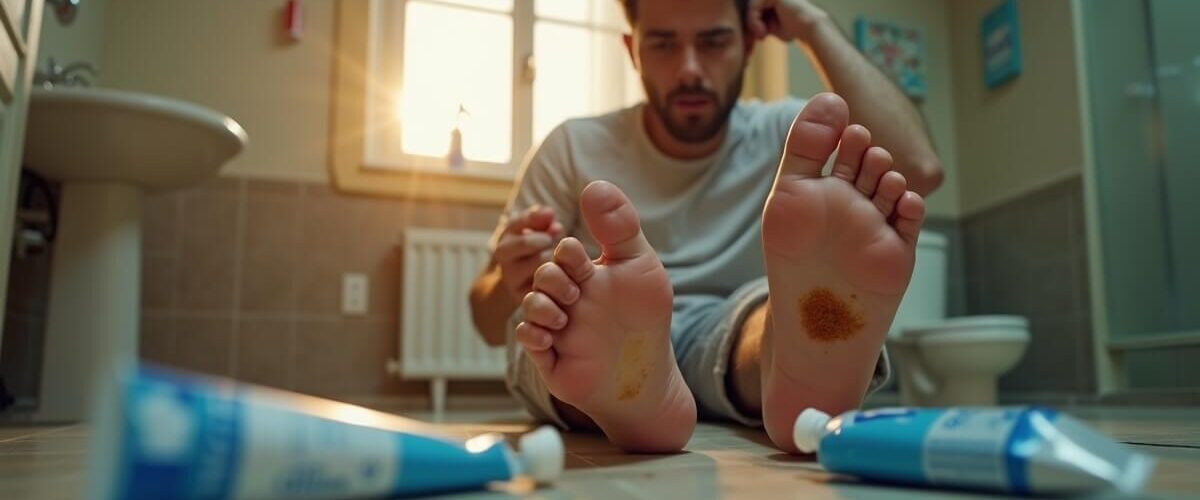
 Dr. Lauren Hayes
Last updated: November 24, 2025
If you’re applying an over-the-counter cream day after day and still seeing peeling skin, itching, or thick, discolored nails, you’re not alone. Many readers search “OTC Fungus Creams Fail” after months of frustration. The good news: persistent infections usually have clear, fixable reasons—once you understand what’s really going on and how to escalate treatment safely.
This guide explains, in plain English, the five most common reasons over‑the‑counter antifungals fall short and exactly what to do next. We’ll cover timelines that indicate progress vs. failure, how to avoid common mistakes, when to try a different agent, and how to work with a dermatologist or podiatrist if needed.
By the end, you’ll have a practical plan to manage athlete’s foot, ringworm, jock itch, or nail fungus, reduce reinfection, and protect your household. We’ll translate medical guidance into steps you can implement today, including dosing examples, hygiene checklists, and prevention routines tailored for the US environment.
Key takeaways
- Most OTC failures come from mismatched products, incomplete courses, limited penetration in nails, or misdiagnosis.
- Expect visible improvement in 1–2 weeks for skin infections; nails take months. No improvement by 2–4 weeks calls for a change.
- Prescription options and evidence-based adjuncts can address resistance, penetration, and recurrence risks.
- Smart hygiene, footwear choices, and a prevention plan greatly cut reinfection and family spread.
Ready to finally solve it? Keep reading for step-by-step actions, dosing timelines, and when to escalate care without wasting time or money.
Why Over-the-Counter Fungus Creams Are Commonly Used in the US
In the US, drugstore antifungals are everywhere—from corner pharmacies to big-box retailers and online marketplaces. They’re appealing because they’re accessible, relatively affordable, and familiar. For many mild skin infections, these products can work well when used correctly and long enough.
Understanding how these creams are marketed and why people choose them sets the stage for making smarter decisions if symptoms linger. It also helps you recognize when to switch agents, add supportive care, or seek a prescription.
What Are OTC Fungus Creams and How Are They Marketed?
Over-the-counter antifungal creams typically contain active ingredients like clotrimazole, miconazole, terbinafine, tolnaftate, or butenafine. They target dermatophytes—the fungi behind athlete’s foot (tinea pedis), jock itch (tinea cruris), and ringworm (tinea corporis). Many are available as creams, sprays, powders, and gels to suit skin type and preferences.
Marketing often emphasizes fast relief of itching and redness. Packages feature timelines such as “relieves symptoms within days,” which is true for irritation but not necessarily a full cure. Some products highlight once-daily dosing to improve adherence. The key is reading labels for the exact indication, dosing frequency, and duration—then following it precisely.
Consumers should be wary of broad promises. A cream that’s great for athlete’s foot may not be designed for yeast infections or nail fungus. Matching the product to the infection type is more important than brand name or format. When in doubt, check the active ingredient and the label’s indicated uses.
For example, a patient with a dry, scaly rash on the sides of the feet may respond best to terbinafine or butenafine cream applied once daily for 2–4 weeks, then another one to two weeks after the rash clears. A spray might be convenient for shoes but is rarely sufficient alone for active skin disease.
Why Do People Prefer OTC Creams Over Prescription Options?
People reach for OTC creams first because they’re fast to obtain, typically cost-effective, and often adequate for mild infections. Many Americans also prefer self-care for straightforward conditions to avoid clinic visits, copays, or time off work. For athletes, gym-goers, and busy parents, a once-daily cream feels doable.
There’s also comfort in familiarity. If a product worked years ago, it’s natural to try it again. However, infections can change. A rash that seems like athlete’s foot may actually be eczema or a mixed bacterial–fungal problem this time. When an old standby doesn’t work, it’s a signal to reassess the diagnosis or treatment class.
Cost remains a major factor. Generic clotrimazole or terbinafine is inexpensive and widely available. But if you’ve cycled through multiple OTCs without relief, continued self-treatment may become more expensive than a single visit to confirm the diagnosis and obtain a prescription tailored to your infection.
In short, OTCs have a strong role—but knowing when to pivot prevents months of frustration.
The Prevalence of Toenail and Skin Fungal Infections in America
Skin and nail fungal infections are exceptionally common in the US. Athlete’s foot is a frequent issue among adults who wear closed footwear, exercise, or work in warm, moist environments. Public locker rooms and communal showers boost exposure, and many households have multiple members affected at different times.
Toenail fungus (onychomycosis) increases with age, diabetes, and nail trauma. Nail infections are more stubborn than skin infections because the fungus hides under and within the nail, which grows slowly. That’s why clearance can take several months, even on effective therapy.
Because skin and nail fungi can spread by contact and contaminated surfaces, family clusters are common. Shoes, socks, nail clippers, and bathroom floors can act like revolving doors for reinfection. Treating the individual is step one; treating the environment is step two.
Recognizing how normal these infections are can reduce stigma and help you move decisively from trial-and-error to a targeted plan that works.
Top 5 Reasons OTC Fungus Creams Often Fail
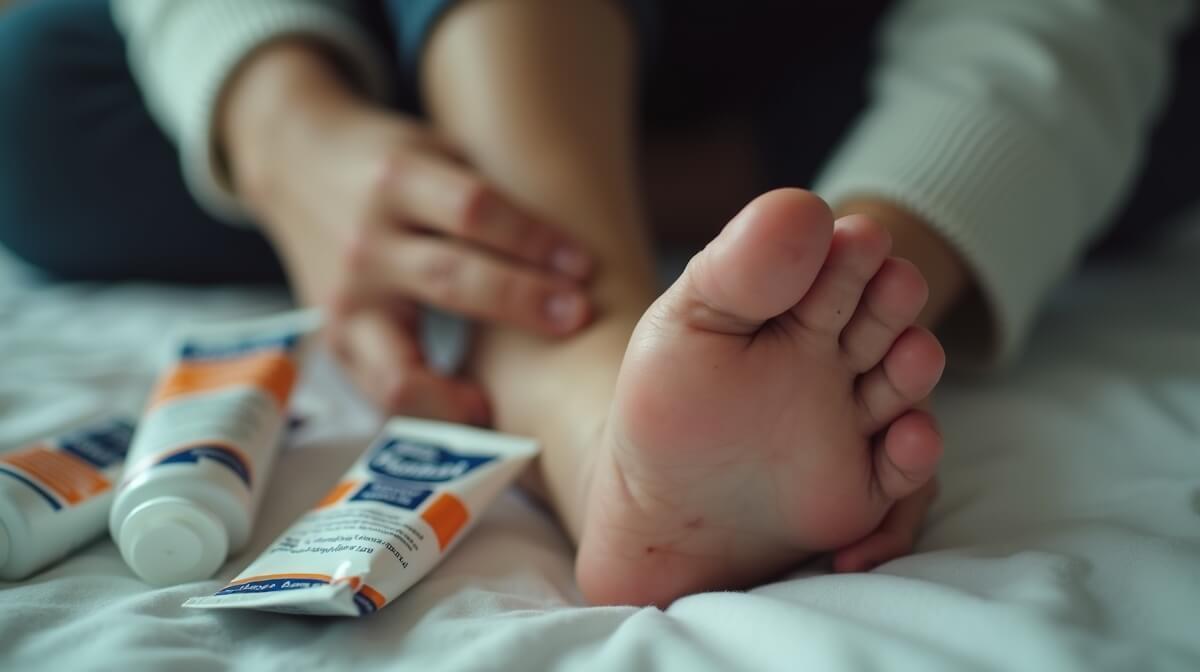
When OTC antifungals don’t work, the reasons usually boil down to timing, targeting, and biology. The most common issues include incomplete courses, mismatched products, resistance to certain ingredients, and poor penetration in nails. Sometimes the problem isn’t fungal at all; misdiagnosis keeps you stuck. Addressing the underlying cause root—whether it’s ingredient selection, lack of penetration, or an internal immunity issue—changes the outcome.
Below, we unpack the top five failure points and how to correct them—with practical examples and timelines so you can act with confidence.
Incomplete Treatment Cycles and Patient Compliance Issues
Stopping too soon is the most common reason OTC fungus creams fail. Itching might improve within days, but the fungal colonies often persist beneath the surface. If you stop when symptoms fade, the infection rebounds—sometimes worse than before. The skin looks clear, but viable spores remain in the stratum corneum and shoes.
For athlete’s foot and ringworm, many labels advise 2–4 weeks of daily use, plus an extra 1–2 weeks after clearing. A realistic example: apply terbinafine 1% once daily for 28 days; continue for 14 days after your skin looks normal. That “extra” time helps eradicate lingering spores and reduces recurrence.
If missed doses happen, extend the course. For instance, if you miss two to three days in week two, don’t count those toward your total. Reset the clock so you get the full number of active days on skin. Consistent, thin application beats sporadic, thick application that rubs off in socks.
Apply after washing and drying thoroughly, especially between toes or skin folds. A pea-sized amount typically covers a palm-sized area. Excess product does not work better; adherence over time is what cures infections.
Using the Wrong Cream for the Specific Type of Fungal Infection
Not all antifungals are interchangeable. Dermatophytes (tinea) respond well to allylamines (terbinafine, butenafine) and azoles (clotrimazole, miconazole). Yeasts like Candida may respond better to certain azoles. Using a product effective for one organism but not another delays improvement and reinforces the false belief that “antifungals don’t work.”
Consider a scaly, circular rash on the forearm: ringworm typically responds to terbinafine faster than clotrimazole. Conversely, a moist rash in the groin that’s actually Candida might improve more with an azole. Matching ingredient to infection type accelerates results and reduces wasted effort.
| Active ingredient (OTC) | Common uses | Strengths | Limitations |
|---|---|---|---|
| Terbinafine 1% | Athlete’s foot, jock itch, ringworm | Often faster kill of dermatophytes | Not ideal for yeast; limited nail penetration |
| Butenafine 1% | Skin dermatophyte infections | Once-daily convenience | Not designed for nails; variable yeast coverage |
| Clotrimazole 1% | Dermatophytes, some Candida | Broad OTC availability | Requires twice-daily use; slower response for some |
| Miconazole 2% | Dermatophytes, some Candida | Powders/sprays help with moisture control | Twice-daily; may be less potent against certain strains |
| Tolnaftate 1% | Athlete’s foot prevention/maintenance | Good for prophylaxis in shoes/socks | Less effective for active, stubborn infections |
Practical tip: If a twice-daily azole hasn’t improved your rash in two weeks, an allylamine like terbinafine may be a logical switch—provided the diagnosis is correct. For wet, macerated skin, powders or solutions can help reduce moisture, improving drug contact time.
For nails, OTC creams rarely penetrate enough to cure established onychomycosis. Keeping expectations realistic prevents prolonged trial-and-error. If the nail is the main issue, move sooner to nail-specific strategies outlined below.
Drug Resistance and Limitations of OTC Ingredients
Fungal organisms can display reduced susceptibility to commonly used drugs, particularly after partial or repeated exposure. While high-level clinical resistance is less documented than with bacteria, real-world treatment failure due to suboptimal drug match or inadequate use is common. If an ingredient worked years ago but fails now, a different class may be needed.
OTC ingredients also have potency ceilings. They’re designed for safety and self-use, which is good—but persistent infections sometimes require prescription-strength agents or combination strategies to overcome entrenched colonies and biofilms.
“When a patient has cycled through multiple OTC antifungals without progress, I assume a mismatch, poor penetration, or emerging resistance and pivot to a different class or route—often after confirming the diagnosis.”
– Board-Certified Dermatologist
Suspected resistance is a cue to change the mechanism of action (e.g., allylamine to azole) or step up to prescription topicals or orals. It’s also a sign to address environmental reservoirs—shoes, showers, and linens—that keep reseeding the skin.
Remember, prolonged self-treatment without improvement can allow fungi to spread to new areas, complicating the clinical picture. A timely pivot saves skin and money.
Lack of Penetration for Nail and Severe Skin Infections
Nails are hard, dense structures. Most OTC creams can’t reach fungi under or within the nail plate. That’s why people massage cream onto the nail for months with little to show for it. Even prescription topicals designed for nails need months of daily use and still work best for mild to moderate disease.
Severe or thickened skin (hyperkeratosis) also hinders penetration. If the soles are heavily callused, a cream sits on top and never reaches the fungus. In these cases, adding a keratolytic (e.g., urea 20–40% or salicylic acid on intact skin) can thin the layer and improve delivery—ideally under clinician guidance.
For nails, mechanical debridement (clipping, filing) plus a nail-specific topical or oral agent is often required. For skin, reducing moisture and friction, and treating any bacterial overgrowth, enhances the antifungal’s access and effectiveness.
Penetration is physics, not just pharmacy. Fix the barrier problem, and many “resistant” infections suddenly respond.
Misdiagnosis—Is It Really a Fungal Infection?
Not every itchy or scaly rash is fungal. Eczema, psoriasis, contact dermatitis, and even bacterial infections can mimic tinea. On the feet, pitted keratolysis (bacterial) or eczema can look similar to athlete’s foot. In the groin, intertrigo or candidiasis can be mistaken for tinea cruris.
Red flags for misdiagnosis include worsening with steroid creams, burning pain rather than itch, honey-colored crusting (suggesting bacterial infection), or a rash that migrates despite adequate antifungal use. If you suspect a misdiagnosis, stop the guesswork and get tested.
Clinicians can perform a simple KOH prep, culture, or modern PCR-based tests to confirm fungus. Accurate identification saves months of trial-and-error and guides the right agent and duration from day one.
Bottom line: If it doesn’t act like tinea or improve on schedule, it might not be tinea. Clarity beats persistence.
Recognizing the Signs That Your OTC Fungus Cream Isn’t Working
Knowing when to persist and when to pivot is crucial. Most uncomplicated skin infections show visible improvement within two weeks on a well-matched, properly applied OTC. Nails move on a much longer timeline, but even there, you should see signs of healthy outgrowth within 8–12 weeks.
Use the signals below to decide whether to continue, switch class, or seek medical advice. Acting early prevents spread to family members and reduces chronicity.
How Long Should It Take to See Results?
For athlete’s foot, jock itch, or ringworm, expect symptom relief (itching, redness) within days and visible improvement in 7–14 days. By week two, scaling should be receding. Continue therapy for the full labeled duration and 1–2 weeks beyond clearing to prevent relapse.
For nails, think in months. Toenails grow slowly—about 1–2 mm per month. Even with effective therapy, it can take 6–12 months for a new, clear nail to grow in. Early success looks like a thin, clear band at the base of the nail expanding downward over time.
Keep photos. A weekly snapshot under consistent lighting helps you judge progress objectively, especially for nails where changes are subtle. If you can’t see incremental improvement over time, don’t simply continue; change your strategy.
Also consider environmental steps—disinfecting shoes, laundering on hot, and using antifungal powders—to support progress. Improvement often stalls when the environment is ignored.
Symptoms That Worsen or Don’t Improve
Worsening symptoms can indicate misdiagnosis, secondary bacterial infection, or hypersensitivity to ingredients. Severe burning, spreading redness, pain, or pus require prompt medical evaluation. If the rash expands despite correct use, you may be dealing with a non-dermatophyte organism or an inflammatory condition that needs a different approach.
Inconsistent application is another culprit. Missing evening doses during the workweek or skipping weekends can sabotage progress. Set reminders and pair application with a routine (after showering, before socks). The simplest system is often the most successful.
- Rash expands beyond original borders after 1–2 weeks of correct use.
- Itching and scaling persist with no visible improvement by week two.
- New blisters, oozing, or honey-colored crusts appear (possible bacterial overlay).
- Severe burning or stinging after application suggests irritation or allergy.
- Nails continue to thicken or crumble without a clear band of healthy growth by 8–12 weeks.
- Family members develop similar rashes despite your treatment (environmental spread).
Track one or two primary metrics: rash size (use a pen mark) and symptom severity (0–10 scale). If size and score aren’t trending down after two weeks, it’s time to reassess.
Finally, make sure your cream isn’t expired. Many people store old tubes for years; potency falls, and the formulation can separate, reducing effectiveness and increasing irritation risk.
When to Seek Medical Advice or Switch Strategies
Escalate when the pattern points to failure. A timely pivot prevents months of self-treatment and deepens your odds of a reliable cure. Use the checklist below to decide when to call a clinician or switch classes.
If you have diabetes, peripheral vascular disease, are immunocompromised, or have severe pain, swelling, or fever, seek care early. These situations carry higher risks and benefit from guided therapy.
- No visible improvement by 14 days on a well-matched OTC, used correctly.
- Worsening rash, new drainage, or severe inflammation suggesting bacterial involvement.
- Recurrent flares despite full courses and environmental control.
- Suspected nail involvement that’s thick, painful, or affecting function.
- Unclear diagnosis, unusual pattern, or involvement of the face, scalp, or genitals.
- History of treatment failures across multiple classes (allylamine and azole).
- Severe moccasin-type athlete’s foot (dry, thick, diffuse) not responding in four weeks.
- High-risk conditions (diabetes, immunosuppression) or spreading infection in household.
When switching strategies, change the drug class and strengthen hygiene measures. For example, move from clotrimazole to terbinafine and add shoe disinfection and daily sock changes. Small upgrades across multiple points make a big difference.
If your out-of-pocket cost for another OTC cycle approaches the cost of a quick clinic or telehealth visit, choose the visit. Confirming the diagnosis often shortens the overall timeline and spend.
What to Do Next When OTC Fungus Creams Fail
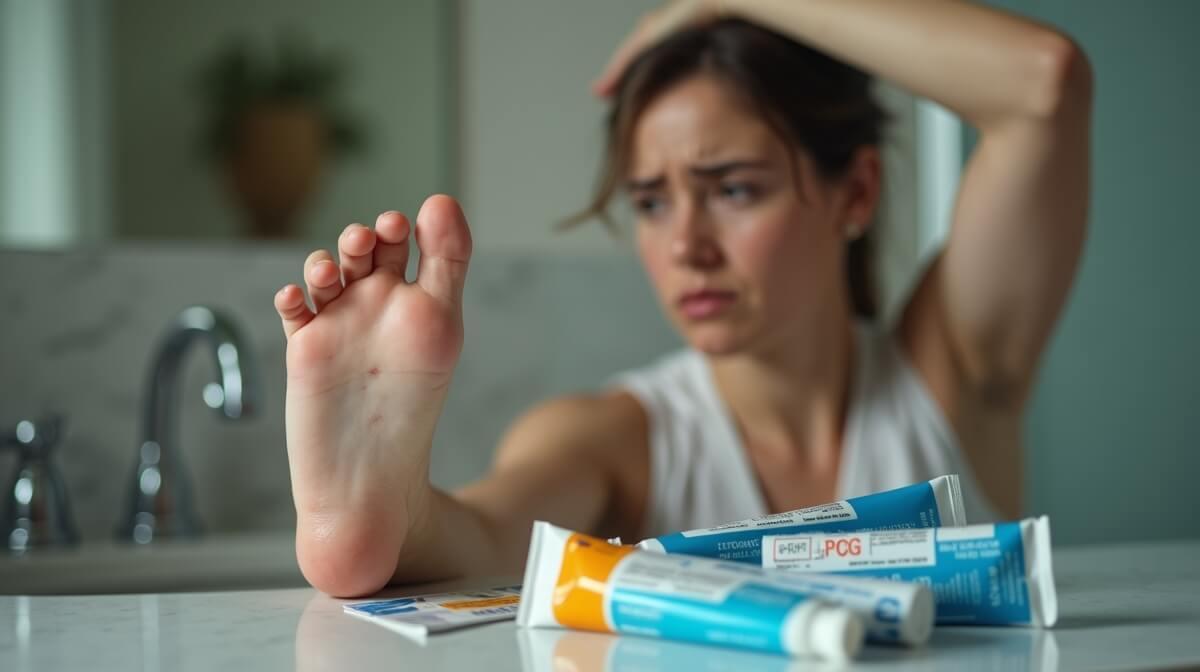
When an OTC plan stalls, you have several evidence-based paths: switch drug class, add adjuncts that improve penetration, step up to prescription topicals or orals, and remediate the environment. For nails, expect a longer, structured plan with clear milestones.
Below, we outline prescription options, what role—if any—home remedies play, lifestyle changes that prevent recurrence, and what to expect from a specialist visit.
Prescription Options: When Are They Needed and What Works Best?
For persistent skin infections, prescription-strength topicals (e.g., ciclopirox cream, ketoconazole cream) can help when OTCs fail, especially with mixed yeast involvement. For widespread or thick moccasin-type athlete’s foot, short courses of oral antifungals may be appropriate after clinician evaluation.
For nails, oral terbinafine is a common first-line prescription for dermatophyte onychomycosis, often taken daily for 12 weeks for toenails (fingernails need shorter courses). Itraconazole might be used in pulse regimens. Topical prescriptions like efinaconazole or tavaborole can be options for mild to moderate nail disease or when orals aren’t suitable.
Bloodwork is not universally required for oral antifungals but may be recommended based on your health history. Discuss medication interactions, liver conditions, and alcohol use with your clinician. Track progress with photos and note the clear band of new nail as it grows out.
Combination therapy can improve outcomes: nail debridement, a nail-specific topical, and, when appropriate, an oral agent provide a one-two-three punch. Set expectations early—nails require patience and consistency over months.
Home Remedies and Alternative Treatments—Do They Help?
Home remedies are popular but vary in evidence. Diluted vinegar or antiseptic soaks can reduce odor and moisture, indirectly helping the skin environment. Tea tree oil has mixed clinical data and can irritate sensitive skin. If you try it, use a low concentration and stop if irritation occurs. Always avoid applying undiluted essential oils to broken skin.
Adjuncts with more practical value include urea (20–40%) to thin thick skin or nails, improving penetration of antifungals. For nails, routine filing and careful clipping reduce fungal burden. Shoe disinfection and frequent sock changes reduce reinoculation. These steps don’t cure infection alone but meaningfully support primary therapy.
Some readers explore supplements aiming to support immune balance and address the root cause of recurring infections. If you’re considering that route, read our review of a formula focused on the root cause to understand the rationale, ingredients, and safety context before trying anything new—especially if you take prescription medications.
Be skeptical of miracle claims. A reasonable test is whether a method aligns with known mechanisms: reducing moisture, improving penetration, or decreasing fungal load. If it doesn’t touch the biology, it likely won’t change the outcome.
Lifestyle Changes to Prevent Recurrence and Support Recovery
Fungi love warm, dark, and moist environments. The simplest way to cut recurrence is to change those conditions. Dry thoroughly after bathing, especially between toes and in skin folds. Rotate shoes to allow 24 hours of drying time; use a fan, sunlight exposure, or shoe-specific UV or antifungal sprays if needed.
Choose breathable footwear (mesh, leather) and moisture-wicking socks (merino wool blends, synthetic performance fibers). Change socks midday if feet sweat. In communal settings—gyms, pools, hotel bathrooms—wear flip-flops to avoid direct contact.
For families, keep a “fungus kit” with separate nail clippers, a disposable file, antifungal powder, and disinfectant spray. Label it and keep it away from shared grooming tools. This small system prevents household spread.
Finally, address skin barriers: treat cracks, calluses, and maceration promptly. Intact skin is your best defense against reinfection.
Consulting a Dermatologist or Podiatrist—What to Expect
A specialist visit is straightforward. Expect a focused history (duration, prior treatments, household spread, footwear, gym exposure), an exam, and often a simple test such as a KOH prep or fungal culture. Nail clippings may be sent for lab analysis. These tests confirm the diagnosis and guide agent selection.
Treatment plans may include a class switch, prescription topicals or orals, debridement, and environmental strategies. Timeframes are tailored to disease severity—weeks for skin, months for nails. If orals are prescribed, your clinician will discuss benefits, risks, and any needed labs.
“Confirming fungus before escalating therapy saves time and avoids unnecessary exposure to medications. Clear diagnosis, right drug, right duration—that’s the winning sequence.”
– Board-Certified Podiatrist
Bring photos documenting progress and a list of prior products used (with dates). This helps your clinician spot patterns and avoid repeating ineffective strategies. If cost is a concern, ask about generics, coupons, or sequencing care to fit your budget.
Most importantly, leave with a written plan: what to apply, when to reassess, and how to maintain gains. Clarity reduces drop-off and improves outcomes.
Preventing Future Fungal Infections After Treatment
Prevention is not just hygiene; it’s habits. A few small routines sharply reduce the odds of relapse and protect your family. Once you’re clear, continue light maintenance for a few weeks—especially in high-risk seasons or environments.
Think in layers: skin care, footwear, environment, and household practices. Address each layer, and reinfection becomes the exception, not the rule.
Essential Hygiene Practices to Reduce Reinfection Risk
Daily hygiene sets the foundation. Wash with gentle cleansers, rinse thoroughly, and dry well—especially between toes and in skin folds. Consider a blow-dryer on cool for hard-to-dry spaces. Apply a thin layer of antifungal powder to feet before socks if you sweat heavily.
If you’re prone to athlete’s foot, use a maintenance strategy for 2–4 weeks after clearing: apply an OTC antifungal every other day or use tolnaftate powder in shoes. This “cool-down” reduces the chance of relapse from lingering spores in your environment.
- Change socks at least daily; twice daily if sweaty.
- Rotate shoes; allow 24 hours of drying time between wears.
- Wear sandals in public showers, pools, and locker rooms.
- Disinfect bathroom floors and shower surfaces weekly.
- Don’t share towels, socks, or nail tools.
- Wash gym gear and bath linens on hot, then fully dry.
If cracks form on heels or between toes, treat promptly. Barrier creams and urea-based moisturizers help keep skin intact, decreasing fungal entry points.
For those with diabetes or neuropathy, inspect feet daily. Report any new redness, blisters, or ulcers promptly. Early action prevents complications.
Best Footwear, Socks, and Environmental Adjustments
Choose footwear that breathes: mesh athletic shoes, ventilated casual shoes, or leather with perforations. Avoid prolonged use of non-breathable materials. Insoles that wick moisture and allow air circulation can help. Consider two pairs of work shoes and rotate days.
Socks matter. Merino wool blends and technical synthetics pull moisture away from skin better than cotton. For heavy sweaters, pack a spare pair and change at midday. At home, go barefoot or wear open-toe sandals to promote airflow—if safe for your foot health status.
In humid climates, a dehumidifier in closets or shoe storage areas can cut moisture load. For athletes, remove insoles after workouts and let shoes dry in sunlight or near a fan. UV shoe sanitizers are optional but can be useful in high-recurrence households.
Keep a small log for two weeks: footwear worn, sock changes, and any dampness events. You’ll quickly see patterns and opportunities to improve airflow and dryness.
Building a Long-Term Fungal Prevention Plan
A sustainable plan is simple, specific, and scheduled. Think of it as a weekly routine rather than a never-ending chore. The goal is to make the antifungal environment hostile to fungi but easy for you to maintain.
Set reminders on your phone for shoe rotation days, linen hot-wash days, and powder application. Keep supplies where you use them: powder near socks, disinfectant near the shoe rack, and a nail kit in the bathroom cabinet.
Use a “maintenance month” after cure: every other day topical for two weeks, weekly shoe disinfection, and hot washing socks and bath mats. If you stay clear, reduce to monthly shoe disinfection and as-needed powder during sweaty seasons.
Plan family protocols: designate separate nail tools, label powders, and keep flip-flops at the shower. Consistency across the household prevents the ping-pong effect of reinfection.
Frequently Asked Questions About OTC Fungus Creams Fail
How do OTC fungus creams work, and what infections do they treat?
Most OTC antifungal creams contain allylamines (e.g., terbinafine, butenafine) or azoles (e.g., clotrimazole, miconazole). They disrupt fungal cell membranes or cell wall synthesis, killing or inhibiting dermatophytes that cause athlete’s foot, jock itch, and ringworm. Some azoles also address certain yeast infections. They’re generally intended for skin, not nails. For mild, well-defined tinea infections, correct use for 2–4 weeks often works; mismatches or incomplete courses lead to failure.
Why don’t over-the-counter antifungal creams always cure nail fungus?
Nail plates are dense barriers that block most OTC creams from reaching fungi under and within the nail. Even prescription nail topicals require months and work best for mild disease. For moderate to severe onychomycosis, clinicians often combine nail debridement, a nail-specific topical, and, if appropriate, an oral antifungal for several months. Expect gradual healthy outgrowth rather than rapid clearance, and confirm diagnosis when results are uncertain.
How long should I use an OTC fungus cream before seeing results?
For skin infections such as athlete’s foot, jock itch, or ringworm, you should see symptom relief within a few days and visible improvement in 1–2 weeks. Continue for the full labeled course and 1–2 extra weeks after clearing. If there’s no improvement by 2–4 weeks, reassess diagnosis and consider switching drug class or getting medical advice. Nails require months; look for a clear band growing from the base by 8–12 weeks.
What are signs that an OTC antifungal treatment is not working?
Red flags include a rash that expands after 1–2 weeks of correct use, persistent itch and scaling without improvement, blisters or drainage suggesting bacterial involvement, severe burning with application, and nails that continue to thicken without any clear outgrowth by 8–12 weeks. Household spread despite treatment also signals environmental reservoirs. These clues suggest misdiagnosis, inadequate penetration, or the need to switch antifungal classes or escalate care.
Can using the wrong cream make my fungal infection worse?
Using a mismatched agent won’t usually feed the fungus, but it can delay effective treatment and allow the infection to spread or deepen, especially in moist, occluded areas. Meanwhile, symptoms may wax and wane, giving a false impression of control. If an azole hasn’t helped a dermatophyte infection in two weeks, switching to an allylamine, improving application technique, and addressing moisture can accelerate progress.
Are there any risks or side effects with prolonged OTC antifungal use?
Most OTC antifungals are well tolerated. Potential issues include local irritation, burning, or contact dermatitis. Prolonged use without improvement can mask other diagnoses and delay appropriate care. Avoid applying potent corticosteroid combinations without guidance; steroids can worsen fungal infections or alter their appearance. If irritation persists, stop and seek advice. For persistent infections, a confirmed diagnosis and tailored prescription plan may be safer and more effective than indefinite OTC cycles.
When should I see a doctor about my nail or skin fungus?
See a clinician if there’s no improvement after 2–4 weeks of correct OTC use for skin infections, if the rash worsens or becomes painful, or if you have diabetes, circulation problems, or a weakened immune system. For nails, seek care when thickening causes pain or functional issues, when there’s no clear outgrowth by 8–12 weeks, or when previous treatments have failed. Confirmation tests guide the right agent and duration.
What prescription treatments are available if OTC products fail?
Options include prescription-strength topical antifungals (e.g., ciclopirox, ketoconazole) for skin and nail-specific topicals (efinaconazole, tavaborole) for mild to moderate onychomycosis. Oral agents such as terbinafine or itraconazole may be used for stubborn or extensive disease after diagnosis confirmation. Plans often combine medication with debridement and environmental remediation. Your clinician will tailor the approach to infection type, severity, health status, and medication interactions.
Do home remedies for nail fungus really work?
Home remedies rarely cure established nail fungus, but some can support treatment. Regular filing, careful clipping, and urea preparations improve penetration of antifungals. Vinegar soaks may reduce odor and moisture but don’t consistently eradicate fungi. Consider adjuncts as supportive steps, not stand-alone cures. For moderate to severe cases, prescriptions are typically required for meaningful, sustained improvement, with progress tracked by healthy nail growth from the base.
How can I prevent fungal infections from coming back after treatment?
Prevention hinges on moisture control, environmental cleaning, and routine maintenance. Dry thoroughly after bathing, rotate shoes, wear moisture-wicking socks, and disinfect shoes weekly during recovery. Avoid sharing towels and nail tools. Use a short “maintenance month” after cure—light topical use, shoe disinfection, and hot-wash linens—to reduce relapse. For households, set shared rules like flip-flops in showers and dedicated nail kits to avoid ping-pong spread.
Is it possible that my symptoms are not caused by a fungal infection?
Yes. Eczema, psoriasis, contact dermatitis, and bacterial conditions can mimic fungal infections. Worsening with steroids, burning pain, honey-colored crusts, or an unusual distribution suggest alternative diagnoses. If your rash doesn’t improve after 2–4 weeks of correct antifungal use—or flares with steroid creams—seek testing. A KOH prep, culture, or modern PCR can confirm or rule out fungus, helping avoid months of ineffective therapy.
What daily habits help stop the spread and recurrence of fungal infections?
Consistent habits matter: wash and fully dry feet, apply antifungal powder if sweaty, change socks daily, rotate shoes for 24-hour drying, and wear flip-flops in communal areas. Disinfect bathroom floors weekly and launder socks and towels on hot. Keep personal nail tools separate. Small, repeatable steps—done daily—reduce reinfection risk and protect family members from exposure in shared spaces.
Conclusion
OTC antifungal creams play a valuable role, but when they fail, the reason is usually clear: incomplete courses, mismatched agents, limited penetration—especially for nails—or a missed diagnosis. With a structured plan, you can pivot quickly, choose the right mechanism of action, and reinforce treatment with smart hygiene and environment fixes.
If you’re stuck, switch classes, confirm the diagnosis, and consider prescription options for stubborn or nail-dominant disease. Combine therapy with shoe disinfection, moisture control, and a brief maintenance phase to lock in results and minimize relapse.
In short
- Match the antifungal to the organism and site; switch classes if no improvement by 2–4 weeks.
- Address penetration barriers (thick skin, nails) and treat the environment, not just the skin.
- Use a maintenance month after clearance to reduce reinfection risk in real life.
Want a deeper dive into approaches that address the underlying drivers of stubborn infections? → Click here to read our analysis of a solution focused on the root cause. If this guide helped, share it with someone dealing with athlete’s foot or nail fungus and leave a comment with your results—your experience can help others act sooner and smarter.
Important Health Notice and Disclaimer: This guide provides general educational information and is not a substitute for professional medical advice, diagnosis, or treatment. Always consult a qualified healthcare professional for personal recommendations—especially if you have diabetes, peripheral vascular disease, are immunocompromised, have severe or painful symptoms, or suspect a bacterial infection. Do not delay seeking care based on this content. Medication names and timelines are examples; your clinician may adjust based on your health history, lab results, and current guidelines.







Add comment