
 Dr. Lauren Hayes
Last updated: November 23, 2025
If you feel stuck battling thick, discolored nails that chip or crumble, you are not alone. Toenail Fungus Treatment Mistakes are common, costly, and frustrating. Many people try multiple creams or home fixes only to watch the infection spread or return. This guide shows how to avoid missteps, choose safe options, and finally move toward clear, healthy nails.
We will break down what toenail fungus is, why it keeps coming back, and how to build a plan that actually works. You will see the difference between over-the-counter and prescription options, where laser fits, and when a specialist’s opinion can save time and money. With clear steps and practical examples, you can move from trial-and-error to steady progress.
By the end, you will know which actions matter most, how to monitor results, and how to prevent reinfection. If you are searching for the fastest way to get rid of toenail fungus without repeating old mistakes, this article will help you take the next right step with confidence.
Key takeaways
- Misdiagnosis, misuse of topicals, and stopping early are the three biggest treatment mistakes.
- Oral vs topical toenail fungus medication works differently; severe cases often need prescriptions plus nail care.
- Progress is slow but measurable; photos, trimming, and consistent application time are essential.
- Hygiene and shoe/foot environment make or break results and recurrence risk.
- Consult a podiatrist or dermatologist sooner if pain, diabetes, or persistent failure is present.
Ready to fix what’s been holding you back? Keep reading for a step-by-step, evidence-based plan that you can apply today.
Understanding Toenail Fungus and Its Impact
Toenail fungus is common, stubborn, and slow to treat. The fungus lives under the nail plate, sheltered from air and light. This protective niche makes it harder for creams to penetrate and easier for the infection to linger through months of treatment. Understanding how it starts and spreads is the key to choosing the right approach.
Many failed treatments stem from issues below the surface—poor nail penetration, biofilm, and even fungal resistance. Some solutions claim to tackle the problem’s underlying mechanism. For a balanced perspective on options that address this root cause, see our review of an approach focused on the “root cause” and how it stacks up against standard care.
What is toenail fungus and how common is it in the US?
Toenail fungus (onychomycosis) is a fungal infection of the nail unit, most often caused by dermatophytes such as Trichophyton rubrum. It can also involve yeasts or non-dermatophyte molds. Typical signs include nail thickening, yellow-brown discoloration, crumbling edges, and debris beneath the nail.
In the United States, onychomycosis affects an estimated 10–14% of adults, with prevalence increasing with age. People with diabetes, circulatory problems, or weakened immunity are at higher risk, as are those with a history of athlete’s foot, frequent gym or pool exposure, and tight footwear. Mild cases may affect a single nail; severe cases can involve multiple nails.
Because toenails grow slowly, treating infections is not a quick process. Even when fungus is controlled early, old damaged nail must grow out. For most adults, toenails grow 1–2 mm per month, which means a full big toenail can require 9–12 months to completely replace. This timeline often confuses people into thinking a treatment is failing when it is actually working.
Nail fungus rarely goes away on its own. Without treatment, it usually persists and can gradually worsen. The decision to treat sooner rather than later can prevent spreading to other nails or skin and avoid secondary problems like ingrown nails or bacterial infections.
How does toenail fungus develop and what factors increase risk?
Infections start when fungi enter tiny breaks around the nail or skin, often after minor trauma or repetitive friction. Moisture, warmth, and darkness inside shoes create a perfect micro-environment where fungi thrive. If you have athlete’s foot (tinea pedis), the same organisms can spread to nails.
Common risk factors include frequent sweating, occlusive footwear, shared wet environments (locker rooms, pools), nail salon exposure, and household spread. Medical factors—diabetes, peripheral vascular disease, psoriasis, and compromised immunity—increase susceptibility. Genetics and age also play roles, with older nails being thicker, more brittle, and more easily colonized.
Toenail fungus often coexists with environmental and mechanical contributors: ill-fitting shoes, prolonged damp socks, and limited foot hygiene routines. These triggers fuel relapse even after apparent improvement. That’s why success depends not only on the medication you use, but also on what you change in your daily habits.
Think of it like gardening: the “soil” (your shoe environment) determines whether fungus continues to grow. Without altering moisture, friction, and contamination sources, even strong treatments can underperform or fail to prevent recurrence.
What are the physical and emotional impacts of untreated toenail fungus?
Physically, untreated onychomycosis thickens nails, causing pressure, pain in shoes, and difficulty trimming. Friction from thick nails can irritate adjacent toes, leading to calluses or ingrown nails. In people with diabetes or neuropathy, nail changes can increase risk of skin breakdown and secondary infections.
Cosmetically, yellow or brown discoloration and crumbly edges can be embarrassing. Many people avoid sandals, swimming, or pedicures, which affects social activities and confidence. Some report reduced participation in sports or intimacy because they feel self-conscious about their feet.
Emotionally, the chronic nature of nail fungus—especially after multiple failed attempts—can create frustration, skepticism, and anxiety about medication side effects. High cumulative costs from repeat purchases add to the burden. A clear, staged plan helps restore a sense of control and prevents despair-driven choices that rarely work.
Finally, lingering nail fungus can serve as a reservoir for reinfection of the skin (tinea pedis) and spread within households. Taking it seriously and treating comprehensively is an investment in long-term foot health for you and your family.
The Most Common Mistakes in Toenail Fungus Treatment
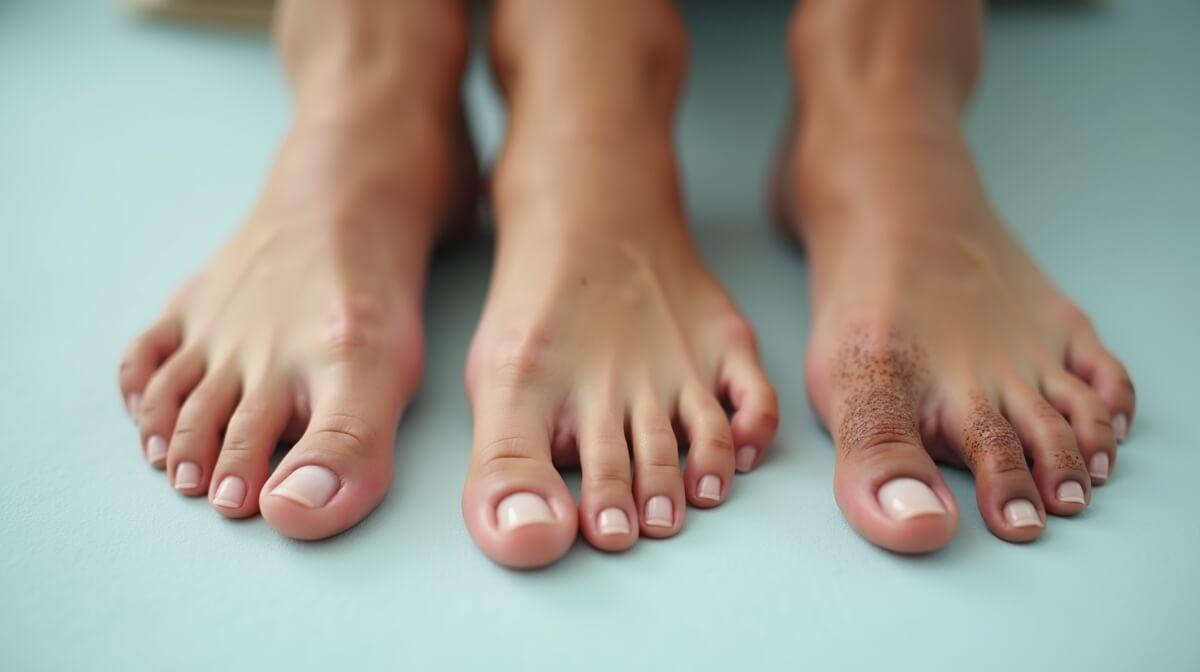
Three pitfalls derail progress more than any others: misdiagnosis, incorrect use of over-the-counter (OTC) products, and stopping treatment too soon. Each has a practical fix that can save months of effort. Recognizing these early can spare you frustration and unnecessary expense.
Below, we translate clinical insights into everyday steps. You’ll see when to confirm the diagnosis, how to use topicals correctly, and how to avoid the classic “I thought it was gone” relapse that sends many back to square one.
Why does misdiagnosis of toenail fungus delay effective treatment?
Not every thick or discolored nail is fungal. Psoriasis, trauma, eczema, lichen planus, and even normal aging can mimic onychomycosis. Treating a non-fungal nail with antifungals won’t work, and months can be lost before the real problem is addressed. In studies, clinical impression alone can miss or overcall fungus.
The solution is confirmation. A clinician can perform a simple nail clipping for microscopy, culture, or PCR to prove fungal organisms. This is especially important before starting prescription toenail fungus medicine with potential side effects, or when considering costly options like laser treatments.
Practical example: If two months of OTC treatment shows zero change and the nail is ridged, pitted, or has salmon patches, ask for diagnostic testing. Spending once on confirmation can save repeated purchases and time spent on the wrong plan.
Bottom line: If the story doesn’t fit fungus—or results stall—confirm the diagnosis. That single step can be the fastest way to get rid of toenail fungus by avoiding detours entirely.
What are the risks of using over-the-counter treatments incorrectly?
OTC products can help mild, early infections, but technique matters. Common errors include applying to the nail surface only (not the edges and undersides), skipping nail thinning, inconsistent daily use, and quitting at the first sign of improvement. Each mistake reduces penetration and leaves viable fungus behind.
Think in layers: fungus hides under and within the nail. Trim nails short, use a clean file to thin the surface weekly, and apply the solution to the free edge, sidewalls, and skin border. Wipe off excess oils before application. Follow the label cadence exactly—usually once or twice daily—for months, not weeks.
Another risk is choosing products for skin fungus (athlete’s foot) and expecting them to cure nail fungus. Many creams lack the ability to penetrate the nail, so they are fine for foot skin but underpowered for nail plate infections.
Lastly, beware of unrealistic claims. There is no overnight toenail fungus treatment that works for all severities. Progress is gradual and requires persistence—even with strong therapies.
How stopping treatment too early causes recurring infections
Stopping early is the relapse trap. Nails grow slowly; new clear growth starts at the base and advances millimeters per month. If you stop when the top half looks better, the base can still harbor fungus. Weeks later, yellowing creeps back, and it feels like the fungus returned “out of nowhere.”
Commit to the full course: If an OTC says 6–12 months, plan for that. If an oral prescription is 12 weeks, complete it and continue topical maintenance for several months. Take monthly photos under the same lighting to document the cuticle line’s progress.
Example timeline: A big toenail takes 9–12 months to fully grow out. If clear growth advances 1.5 mm per month, a 15 mm nail requires about 10 months. Stopping at month four cuts the process in half and virtually guarantees recurrence.
Smart strategy: Pair the medication with habit changes—dry feet quickly, alternate shoes, disinfect footwear—so the environment doesn’t re-seed the nail while you treat.
Exploring Safe and Effective Toenail Fungus Treatments
No single option wins for everyone. The right choice depends on severity, number of nails, your health status, and your goals for speed, safety, and cost. Most people do best with a layered plan: confirm diagnosis, reduce nail thickness, target fungus with medication, and control moisture and contamination.
Below we compare over the counter vs prescription fungus treatment, discuss oral vs topical toenail fungus medication, and explore where laser and alternative therapies fit. We also cover side effects and monitoring so you know how to use treatments safely.
How do prescription medications compare to home remedies?
Prescription options include oral antifungals (terbinafine, itraconazole) and prescription topicals (efinaconazole, tavaborole, ciclopirox lacquer). These have clinical trial data and standardized dosing. Home remedies—tea tree oil, vinegar, Vicks VapoRub, mouthwash soaks—vary widely in formulation and evidence.
In general, oral medications have higher cure rates for moderate to severe cases, while prescription topicals help mild cases or serve as maintenance after oral therapy. Home remedies may support nail hygiene but rarely cure established infections, especially when multiple nails are involved or when the nail is very thick.
For a quick comparison, use this table to set realistic expectations and safety notes before you buy or start any plan.
| Approach | Typical Use | Evidence | Timeframe | Advantages | Considerations |
|---|---|---|---|---|---|
| Oral terbinafine | 1 tablet daily for 12 weeks | Strong for dermatophyte nails | 3–12 months visible results | Higher cure rates; convenient | Drug interactions; rare liver effects; labs for some patients |
| Oral itraconazole | Daily or pulse dosing | Good, broader spectrum | 3–12 months visible results | Useful if terbinafine unsuitable | More interactions; cardiac cautions |
| Rx topicals (efinaconazole, tavaborole) | Daily application 9–12+ months | Moderate for mild–moderate | Slow, steady improvement | Low systemic risk | Costly; requires daily adherence |
| OTC topicals | Daily application 6–12+ months | Variable, limited for nails | Slow; maintenance role | Accessible; low risk | Penetration limits; technique critical |
| Laser therapy | In-office sessions | Mixed; adjunctive role | Weeks–months | Minimal downtime | Cost; variable protocols |
| Home remedies | Oils/soaks | Sparse clinical evidence | Unclear; often minimal | Low cost | Allergy/irritation possible; unreliable efficacy |
Some readers consider supplements, essential oils, or combined kits claiming deep action. If you’re comparing options that say they address poor penetration, internal factors, or fungal resistance, you can read our review of a formulation positioned around the “root cause” to see how it compares with prescriptions, OTCs, and hygiene-based strategies.
“For many moderate-to-severe cases, the fastest path is confirmation, nail debridement, and either oral therapy or a prescription topical—plus meticulous hygiene. Stacking the right steps beats any single product.”
– Board-certified podiatrist
Practical example: If two big toenails are thick and yellow with debris, you might choose oral terbinafine for 12 weeks, add weekly professional or at-home thinning, and apply a topical as maintenance for six months after. This layered plan improves outcomes versus any piece alone.
Are laser treatments and alternative therapies effective for toenail fungus?
Lasers target fungal organisms with light energy designed to heat or disrupt them. Results vary widely by device, settings, number of sessions, and concurrent care (nail thinning, topicals). Some small studies show improvement, but cure rates are inconsistent and insurance usually does not cover it. Consider laser as an adjunct, not a standalone fix.
Alternative therapies—such as tea tree oil, ozonated oils, and herbal mixes—have mixed support. Some users report benefits for mild cases or as hygiene adjuncts, but robust head-to-head trials are limited. Patch testing is wise, as essential oils can irritate or trigger contact dermatitis.
If you explore alternatives, apply the same discipline you would for medications: consistent schedule, nail thinning, documentation with monthly photos, and clear stop/go criteria at 8–12 weeks. Pair with proven methods like shoe disinfection to reduce reinfection risk.
When reading laser treatment for toenail fungus reviews, look for details on the severity of cases, number of sessions, and whether patients also used topicals or debridement. Without those details, results can sound better—or worse—than they truly are.
What are the safety concerns and side effects of popular treatments?
Safety depends on the option. Oral antifungals can interact with other medications and, rarely, affect liver function. Your clinician may order baseline labs if you have risk factors or take certain drugs. Report symptoms like unusual fatigue, dark urine, or upper abdominal pain promptly.
Topical prescriptions and OTC solutions have low systemic risk but can cause local irritation, redness, or peeling. If you have sensitive skin, start with a small area and increase gradually. Discontinue and consult a clinician if severe irritation, blistering, or allergic reactions occur.
Home remedies are not risk-free. Tea tree oil at high concentrations can cause dermatitis; vinegar soaks can dry or irritate skin if overused. Always dilute appropriately and stop at the first sign of irritation.
In-office procedures like debridement are generally safe in trained hands. If you have diabetes or neuropathy, routine podiatry care reduces risk of skin injury and secondary infection.
Bottom line: Choose evidence-supported options that match your severity, monitor for side effects, and loop in your clinician early if anything feels off.
Building a Successful Toenail Fungus Treatment Plan

A strong plan blends diagnostic certainty, targeted therapy, and environment control. You’ll map out clear steps, timeframes, and checkpoints, then follow through consistently. This approach replaces guesswork with data you can see: trimmed nails, clearer growth from the base, and fewer new spots.
Here’s how to structure a plan you can sustain for months without burning out or overspending.
Why adherence to treatment duration is essential for recovery
Adherence matters because nails grow slowly and fungus can hide in microscopic niches under the plate. Your treatment needs time to outlast both the pathogen and the old damaged nail. Quitting at 6–8 weeks almost always means relapse—even if the surface looks better.
Set realistic checkpoints. Expect to see a thin band of clear growth at the base by 8–12 weeks with effective therapy. By 16–24 weeks, the clear zone should widen. Full replacement can take 9–12 months for big toenails. Documenting with monthly photos taken in the same light removes guesswork.
Build your adherence system: keep medication by your toothbrush, set phone reminders, and log applications on a calendar. Enlist a partner to keep you accountable. If cost is a concern, ask your clinician about generics, coupons, or alternating regimens that maintain coverage without breaking the bank.
Think of adherence like paying down debt. Missing payments resets progress; steady payments shrink the balance. With nails, steady applications and consistent hygiene shrink the fungal “balance” until clear nail replaces the damaged portion.
- Confirm diagnosis (microscopy, culture, or PCR).
- Trim and thin nails weekly for penetration.
- Select therapy based on severity and health status.
- Apply or take medication exactly as directed.
- Disinfect shoes and socks regularly.
- Control moisture and friction daily.
- Track progress with monthly photos and adjust at 8–12 weeks if needed.
- Continue maintenance after visible clearance to prevent relapse.
How lifestyle and hygiene modifications support treatment outcomes
Medication alone can’t fix a high-moisture, high-friction environment. Align your daily habits with your treatment so fungus has fewer places to grow. Small changes add up: drying feet thoroughly, rotating shoes, and wearing breathable socks can mean the difference between plateau and progress.
Footwear is central. Rotate pairs to allow a full 24 hours to dry. Choose shoes with a wide toe box to reduce nail trauma. Replace old insoles and consider moisture-wicking socks. If your feet sweat, bring a spare pair of socks to change midday.
Hygiene expands beyond the shower. Disinfect tubs and floors shared by family. Use your own clippers and files; sterilize with alcohol after each use. Avoid barefoot walking in gyms or hotel carpets. Keep nails short and edges smooth to reduce catching and microtrauma.
- Dry between toes first, then the rest of the foot.
- Apply antifungal powder or spray to shoes weekly.
- Wash socks in hot water and dry on high heat when possible.
- Use UV or ozone shoe sanitizers if desired as an adjunct.
- Schedule regular debridement for thick nails (clinic or careful home kit).
These changes make treatments more effective and reduce the risk of passing fungus to other nails or family members.
When should you consult a podiatrist or dermatologist?
See a specialist early if you have diabetes, peripheral vascular disease, neuropathy, or immune compromise. Also seek help if more than one big toenail is thickened, nails are painful or ingrown, or you suspect a mixed condition like psoriasis or lichen planus.
If you’ve tried diligent OTC therapy for 8–12 weeks without measurable new clear growth, schedule a visit. Ask about confirmation testing, nail debridement, and whether oral prescriptions or prescription topicals fit your case. A short appointment can unlock a more effective plan than months of guessing.
“If the nail doesn’t show a new clear band at the base by 12 weeks, I reassess: confirm fungus, thin the nail, and escalate therapy. Changing variables blindly wastes time.”
– Dermatology clinician
Specialists also help manage side effects, drug interactions, and expectations. They can coordinate lab monitoring for oral medications and map out a maintenance schedule after clearance. For athletes, they can tailor footwear and training adjustments to prevent reinjury and recurrence.
Finally, if you notice sudden nail changes like dark streaks, nail lifting without debris, or bleeding, seek evaluation promptly to rule out non-fungal causes that require different care.
Preventing Toenail Fungus Recurrence After Treatment
Recurrence happens when small reservoirs of fungus persist or when the environment invites new growth. The good news: targeted habits dramatically cut that risk. Build a simple routine and keep it for three to six months after visible clearance to protect your progress.
Focus on clean, dry feet; disinfected footwear; and early detection of new spots. The goal is not perfection—it’s consistent, smart prevention that fits your lifestyle.
What habits help prevent reinfection of toenail fungus?
Prevention is a set of small, repeatable actions. Start with shoes and socks—clean, dry, and rotated. Add a weekly disinfection step and a quick once-a-week check of your nails in good lighting. Pair these with a thin layer of topical antifungal once or twice weekly as maintenance if you’re at higher risk.
Family and shared spaces matter. Give each person their own clippers and files. Clean showers and tubs regularly. Wear slides in gym locker rooms and hotel carpets. Treat any athlete’s foot promptly to avoid feeding the nail infection cycle.
Over time, these habits become automatic. Just like flossing protects dental work, your prevention routine protects your months of nail recovery.
How to monitor your nails for early signs of recurrence
Use your camera and eyes. Take a monthly photo of each affected nail against a neutral background with the same light. Compare the cuticle line and color changes. Early recurrence often appears as a small yellow or white patch near the sides or base.
Track texture. A new chalky area, scaling under the free edge, or subtle thickening can be early clues. If you catch it early, a few weeks of intensified topical care plus hygiene upgrades may stop progression.
Set a simple rule: if you notice change on two consecutive weekly checks, escalate. That might mean a telehealth visit, adding debridement, or restarting daily topicals. Acting within weeks is far easier than chasing a full recurrence for months.
Monitoring also motivates. Watching the clear band widen over time is proof your efforts are working, which helps you stay consistent through the long growth cycle.
What should you do if toenail fungus symptoms return?
Don’t panic—pivot. First, confirm it’s fungus and not trauma from new shoes. If signs align with fungus, step up topicals to daily, thin the nail, and retrace hygiene steps. If you previously used orals, ask your clinician whether a repeat course or a different agent is appropriate.
Reevaluate the environment. Did you add a new pair of tight shoes? Are you skipping sock changes at the gym? Quick fixes—like rotating footwear and spraying shoes—can plug the leak that allowed recurrence.
Consider a combination approach: brief oral therapy, ongoing topical maintenance, and regular debridement. This layered plan can regain control faster than a single tactic.
Finally, set a follow-up checkpoint in 8–12 weeks. If no improvement is visible at the cuticle line, return to your specialist for testing and treatment adjustment. Staying proactive prevents small setbacks from turning into year-long battles.
Frequently Asked Questions About Toenail Fungus Treatment Mistakes

What are the early signs of toenail fungus I should watch for?
Early on, you may see a small yellow, white, or brown spot near the nail edge or sidewall, mild thickening, or crumbly debris under the free edge. The nail surface may become dull and lose its shine. If you also have scaling between toes or itchy soles (athlete’s foot), the risk of nail involvement is higher. Photograph your nails monthly—consistent lighting helps you catch subtle changes quickly.
Can I treat toenail fungus at home or do I need a doctor?
Mild, early infections sometimes respond to diligent OTC care plus nail thinning and improved hygiene. If two months pass with no new clear growth at the base, or if multiple nails are thick and painful, see a podiatrist or dermatologist for confirmation and a higher-level plan. People with diabetes, circulation issues, or immune compromise should consult a clinician early for safety and better outcomes.
Why do over-the-counter toenail fungus treatments often fail?
Failures usually trace to misdiagnosis, poor nail penetration, inconsistent use, or stopping too soon. Many people apply only to the nail surface, skip trimming and thinning, and give up after a few weeks. Nails grow slowly, so daily applications for many months are often needed. If the infection is moderate to severe, OTCs alone may not be enough; consider prescriptions plus debridement and stronger hygiene tactics.
How do I know if my toenail fungus treatment is actually working?
Look for a narrow, clear band of new nail at the cuticle that slowly advances forward. The nail should become less thick and the crumbly debris should lessen. Take monthly photos under the same lighting and compare the clear zone width. If that clear band does not grow by 8–12 weeks, revisit diagnosis, technique (trimming/thinning), and whether you need to escalate therapy.
Are home remedies like tea tree oil effective against toenail fungus?
Evidence is mixed and generally limited. Some people see cosmetic improvement in mild cases, especially when they also trim and thin the nail and upgrade hygiene. However, durable cures for moderate-to-severe infections are uncommon with home remedies alone. If you try them, test a small area for irritation, use consistent schedules, and set a decision point at 8–12 weeks to escalate if progress is not visible.
What happens if I stop my toenail fungus treatment too soon?
Stopping early leaves fungus behind, often near the base of the nail where new growth begins. Weeks later, discoloration returns and spreads. Because nails grow slowly, you need to continue therapy until clear nail fully replaces the damaged portion, which can take 9–12 months for big toes. Maintenance topicals for several months after apparent clearance help prevent relapse.
Are prescription medications safe for long-term use in toenail fungus?
Oral antifungals are typically prescribed for finite courses (for example, 12 weeks for terbinafine). They are generally safe when used appropriately, but they can interact with other drugs and rarely affect the liver. Your clinician may order labs if you have risk factors. Prescription topicals are often used longer-term for maintenance with low systemic risk, though local irritation can occur.
How can I prevent toenail fungus from coming back after treatment?
Protect your progress by controlling moisture and contamination: rotate shoes, disinfect footwear weekly, wear breathable socks, and keep nails short. Treat athlete’s foot quickly and avoid sharing nail tools. Many people apply a topical antifungal once or twice weekly as maintenance for 3–6 months after clearance. Monthly photo checks help you catch and address early changes fast.
What are the main side effects of toenail fungus medications?
Oral medications can cause gastrointestinal upset, taste changes, rashes, or, rarely, liver-related issues and interactions with other drugs. Topicals can cause local irritation, redness, or peeling. Home remedies may trigger contact dermatitis. Discuss your full medication list with your clinician and watch for symptoms like persistent fatigue, dark urine, or skin reactions, and seek care if they occur.
When should I see a specialist for stubborn or recurring nail fungus?
See a podiatrist or dermatologist if you have diabetes, circulation problems, immune compromise, significant pain or ingrown nails, or if multiple nails are thick and failing to respond after 8–12 weeks of disciplined care. Ask about confirmation testing, debridement, and whether oral therapy, prescription topicals, or adjuncts like laser are appropriate for your case.
Does toenail fungus ever go away on its own without treatment?
Spontaneous clearance is uncommon. Onychomycosis tends to persist and can slowly worsen over time. Even if symptoms fluctuate, fungus often remains in the nail unit. Early, targeted treatment plus environmental control gives the best chance for lasting improvement and lowers the risk of spreading to other nails or household members.
How do poor hygiene habits contribute to toenail fungus infections?
Moist, warm, and dark environments help fungus thrive. Wearing damp socks, reusing unventilated shoes daily, and walking barefoot in communal areas increase exposure and growth. Sharing nail tools or not disinfecting them spreads organisms. Tight shoes cause microtrauma that opens pathways for infection. Simple upgrades—drying feet thoroughly, rotating shoes, and disinfecting—substantially reduce risk.
Conclusion
Beating toenail fungus requires clarity, consistency, and environment control. Avoid the three big mistakes—misdiagnosis, incorrect OTC use, and stopping early—by confirming the cause, improving penetration with trimming and thinning, and sticking with treatment long enough for full nail regrowth. Pair therapy with smart hygiene to protect your progress.
If you’re comparing options that claim deeper penetration or address internal factors related to recurrence, it’s wise to review balanced analyses. → Click here to read our review of a solution that focuses on the “root cause.” Use this alongside your clinician’s guidance to craft a plan that fits your severity, health profile, and daily routine.
In short
- Confirm fungus before committing months to treatment.
- Match severity to therapy; consider oral plus topical maintenance for tougher cases.
- Thin nails, apply consistently, and track progress monthly.
- Control moisture, rotate shoes, and disinfect to prevent reinfection.
- Escalate with a specialist if gains stall at 8–12 weeks.
Did this help? Share your experience, ask questions, and pass this guide to someone who’s been stuck in the cycle of recurring nail fungus.
Important Health Notice and Disclaimer: This article is for educational purposes and does not replace personalized medical advice, diagnosis, or treatment. Toenail conditions can mimic each other; always consult a licensed healthcare professional—especially if you have diabetes, circulation problems, neuropathy, are pregnant, or take prescription medications. Discuss potential side effects, interactions, and lab monitoring before starting oral antifungals. Results vary with severity, adherence, and individual health factors.







Add comment